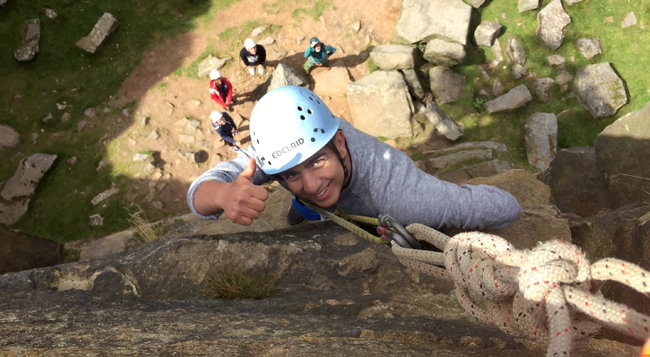
Half Day Rock Climbing Experience
This half day rock climbing experience is aimed at giving you an authentic taste of outdoor rock climbing. The choice of rock climbing venue will depend upon your residential location or where you are travelling from. Climbs will be selected to meet the needs of your group. Participants will be trained and supervised to manage the safety ropes for other climbers. We deliberately choose a variety of climbing styles including; chimneys, cracks, slabs and corner climbs to afford a varied introduction to climbing movement. Itinerary: This half day session aims to pack in as much climbing activity as possible in the time allowed. You can expect some simple coaching in fundamental movement skills and climbing styles. Knowledge of appropriate footwear and equipment , tying into a harness, belaying, spotting and how to abseil. The delivery style is kept relaxed and is pitched to enthuse you about coming back to more climbing Inclusions What's Included 🧰 Equipment - All climbing equipment is provided. What you'll need 🧤 Warm Clothing - Guests should come prepared with warm clothes that allow good freedom of movement.
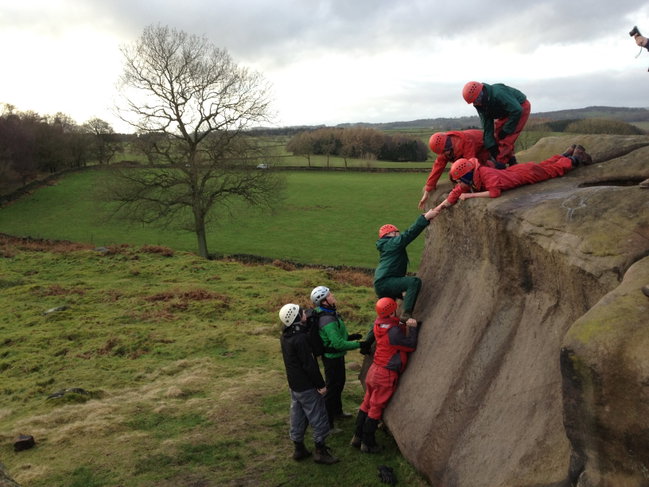
Rock Scrambling - On the Rocks
Rock Scrambling has become an enormously popular activity with our clients. This activity was originally used by Acclimbatize as a diagnostic shakedown activity, Scrambling has now evolved through popular demand into a stand alone and much loved activity for groups of all ages and abilities. Essentially this is un-roped rock climbing, this activity is a flowing sequence of personal and team challenges which utilises suitable (low level) sections of crag and outcrops. We do this to develop teamwork, coach personal movement skills, improve and boost levels of personal confidence. The type of terrain we cover includes; rock slabs, short climbs, gullies, short sections of cave, boulders and natural rock chimneys. We may use this type of session to introduce a rope on sections of steeper ground, we can also include Abseiling within this session. The tactile nature of the activity assists participants to engage with the natural environment. This session promotes a ‘Can do’ attitude in readiness for more technical activities.ItineraryEssentially this is un-roped rock climbing, this activity is a flowing sequence of personal and team challenges which utilises suitable (low level) sections of crag and outcrops. We do this to develop teamwork, coach personal movement skills, improve and boost levels of personal confidence. The type of terrain we cover includes; rock slabs, short climbs, gullies, short sections of cave, boulders and natural rock chimneys. We may use this type of session to introduce a rope on sections of steeper ground. The tactile nature of the activity assists participants to engage with the natural environment. This session promotes a ‘Can do’ attitude in readiness for more technical activities.
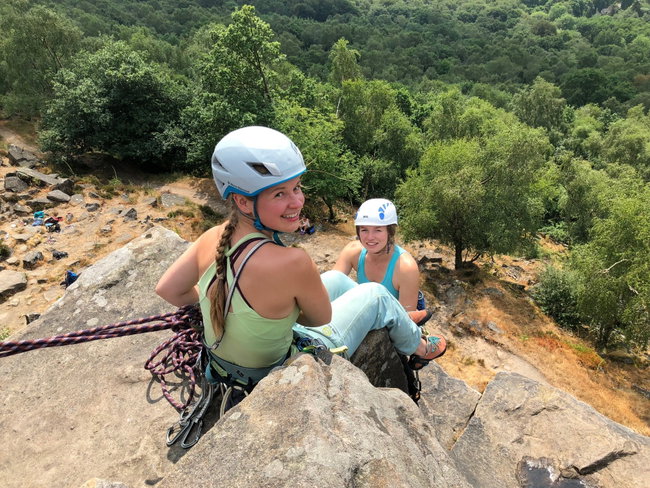
Full Day Rock Climbing Experience
Rock climbing days with Acclimbatize aim to pack in the maximum time climbing and moving over rock as time allows - at the same we'll give you some essential foundation skills in rope management, knot tying and crag etiquette. We'll choose a climbing location and select climbs that best suit your aspirations and carefully create a day that best suits your level of challenge. Talking to us ahead of the booking will enable our staff to be ready with a personalised plan and a fair idea of which rock climbing venue to choose. A little prior information will help us to get the best outcomes by accomplishing the aims you set out to achieve. We operate these experiences on a ‘Respond to Request’ basis. Dates can be freely booked to suit your holidays, work patterns or free weekends.ItineraryWhatever your needs; enjoyment, personal challenge, discovery, technical skills training or help achieving a sporting goal You can benefit from a day out with us. We will design a day to complement any existing skills and help you develop new ones. We operate rock climbing courses in the Derbyshire Peak District and UK-wide including the use of tidal sea cliffs and multi pitch rock climbs in mountainous areas. Inclusions What you'll need 🧤 Warm Clothing - Warm, windproof clothing is recommended allowing freedom of movement. ☂️ Waterproofs - Waterproofs recommended - just in case. 🍴 Food 🥤 Drink
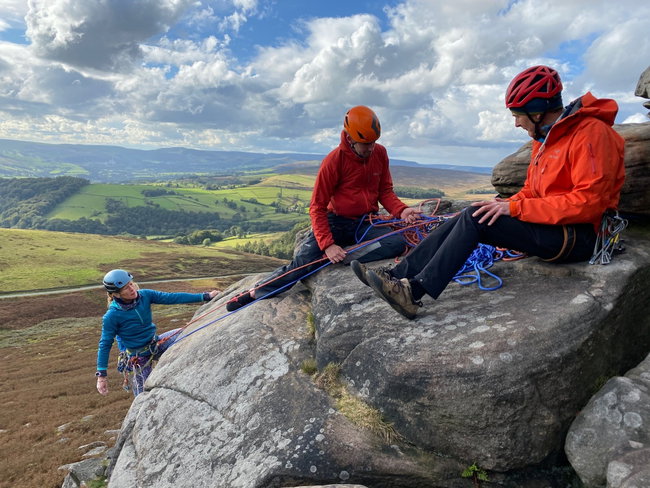
Intermediate Rock Climbing Course
The main aims of this one day course are to learn how to become a safe belayer, how to second routes competently and how to belay a lead climber. You will develop your climbing movement skills, learn how to place protection and construct belays at the top of the crag leading to safe independent climbing activity. === Inclusions What you'll need 🧤 Warm Clothing - Warm, windproof, and easy to move in clothing ☂️ Waterproofs - Waterproofs highly recommended
Learn to Lead (Trad)
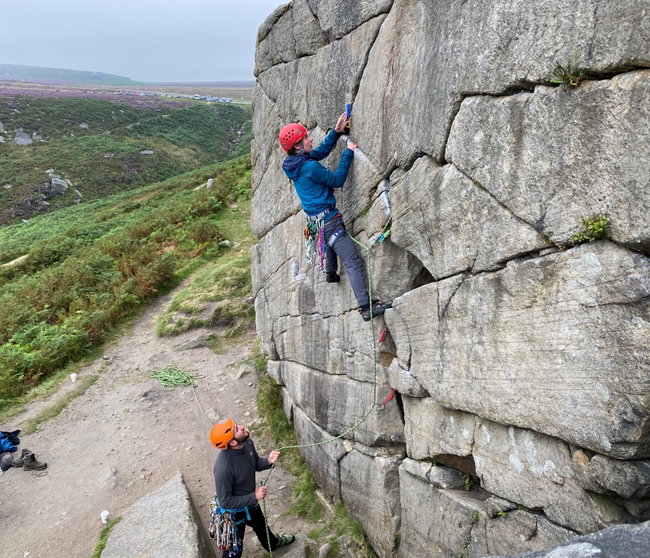
Learning to Lead (Trad) Climbs course will provide you with the skills you need to participate in traditionally (trad) protected climbing, including an introduction to leading simple trad climbs. This course is also ideal if you are looking to improve your confidence or refresh your personal trad leading skills with the aim of helping you to become an independent climber and for those considering the Rock Climbing Instructor scheme.ItineraryBackground and Planning. Selecting suitable venues and routes, how to use guidebooks and mobile devices to find crags and routes, crag etiquette, the importance of the climbing partnership and the work of the mountaineering councils. Climbing Skills. Safe and assured movement when leading climbs and optimising natural rests for placing gear. Equipment. Ropes and technical equipment for lead climbing, contents of a lead rack and how to carry it, selection and function of gear. Technical Skills. Selection and placement of suitable gear to protect leader and second, choosing anchors, effective ropework, attaching to multiple anchors, belaying, holding leader and second falls in a controlled environment. Environmental Knowledge. The impact of climbers at the crag, ethics and environmental considerations for climbers. Hazards and Emergency Procedures. Identifying hazards, decision making and managing risk, understanding common injuries, what to do in the event of an incident, managing common problems, how to get help and learning how Mountain Rescue works Inclusions What you'll need 🧤 Warm Clothing - ☂️ Waterproofs
Learn to Lead (Sports Climbs)
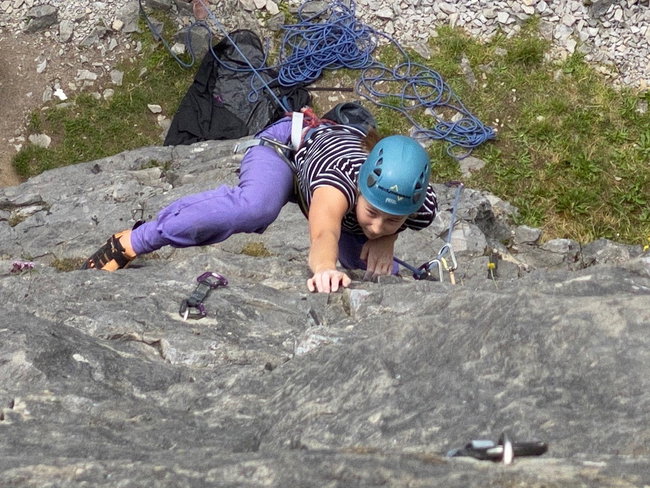
The Learn to Lead Sport Climbs course will provide you with the skills you need to participate in bolted sport climbing, including an introduction to leading bolt protected climbs. This course is also perfect if you are ready to progress to leading sport routes outside, if you are looking to improve your lead climbing confidence or refresh your leading skills. This course does not cover the skills required for leading 'trad' routes which require hand placed protection..ItineraryBackground and Planning. Choosing suitable venues and routes, how to use guidebooks and mobile devices to find crags and routes, crag etiquette, the importance of the climbing partnership, the work of the mountaineering councils. Climbing Skills. Safe and assured movement on the lead and optimising natural rests for clipping bolts. Equipment. Ropes and technical equipment for sport climbing. Technical Skills. Fixed equipment, anchors, ropework, belaying, holding/taking falls in a controlled environment, lowering, lower offs and abseiling. Environmental Knowledge. The impact of climbers at the crag, ethics, access and environmental considerations for climbers. Hazards and Emergency Procedures. Identifying hazards, decision making and managing risk, understanding common injuries, what to do in the event of an incident, managing common problems, how to get help and the role of the Mountain Rescue. Inclusions What you'll need 🧤 Warm Clothing ☂️ Waterproofs 🍴 Food 🥤 Drink
5 Day Zero to Hero Rock Climbing Course
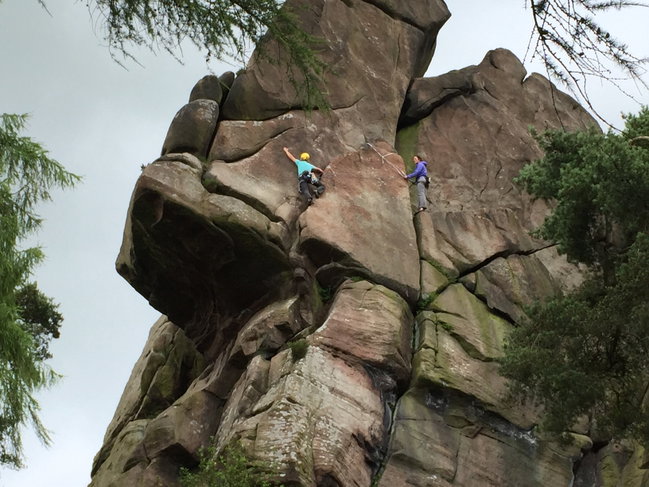
This is a 5 day - 'Zero to Hero' climbing course. Climb on Gritstone, Limestone, Trad, sport and multi pitch The aim of the course is to give you a solid and robust grounding in the key skills of climbing. Each course is bespoke to the people that attend - the pace will be dictated by the speed at which clients learn and the level of challenge acceptable to the individual. Although there will be no pressure to lead climb (climbing without the protection of a rope from above) - for most people this is the aim of the week. We can guarantee that you will climb some absolutely superb quality climbs in spectacular situations ItineraryAcclimbatize rock climbing courses are delivered to the highest national standards. Many of our staff team are approved providers and directors of the ‘Mountain Training‘ schemes, including; The Rock Climbing Instructor Award and the Rock Skills Scheme or are members of the Association of Mountaineering Instructors. We provide beginner, intermediate and advanced rock climbing skills, instruction for groups and progressive climbing courses in the Derbyshire Peak District, Yorkshire Dales, Lake District and the Snowdonia National Park. Bridging the gap: Many of our courses are designed to bridge the gap between indoor climbing and the less predictable environment climbers face outdoors. This course has too many variables for a description - Superb quality rock climbing - appropriate skills development Inclusions What you'll need 🧤 Warm Clothing ☂️ Waterproofs 🍴 Food 🥤 Drink
Half Day Caving
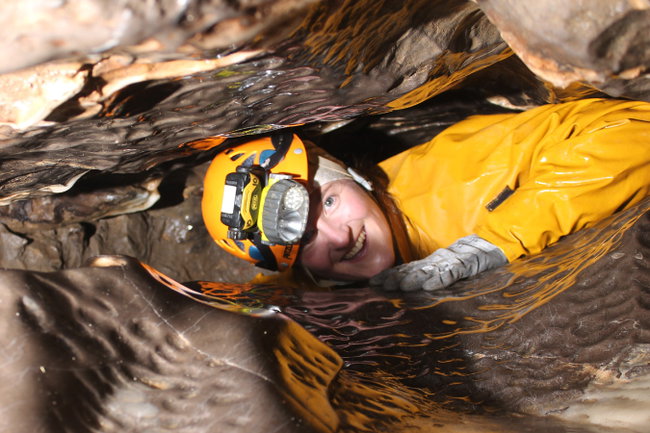
At Acclimbatize we consider that colour, shape, sounds, shade, form and texture all define part of the caving experience, equally as much as the physical effort of negotiating and squeezing through underground passageways. Caves are a scarce natural resource and as such, conservation is only second in priority to your safety. Our Half day caving trips will give a good introductory caving experience under the watchful guidance of a highly experienced leader / instructor. Introductory trips may involve the use of a rope to protect steep sections of terrain or help negotiate trickier sections of cave. ItineraryOur usual formula for delivery is to begin the day with a look at caving guides and underground (maps) surveys. Prior to setting off underground, we equip you with helmets, lighting, oversuits and boots. You will then explore a variety of subterranean cave passages under expert instruction. Some caves considered to be 'horizontal’ have sections where climbing / scrambling is required to negotiate sections of cave passageway – these can be protected by use of the leaders rope from above. Our instructional staff will bring the underground environment to life by imparting information about the structure of limestone, the origin of caves (formation and development), how the caves were discovered and subsequently explored. Most cave leaders seem to have a natural leaning towards story telling which can add a ‘further dimension’ to your underground experience!
Full Day Vertical Caving Experience
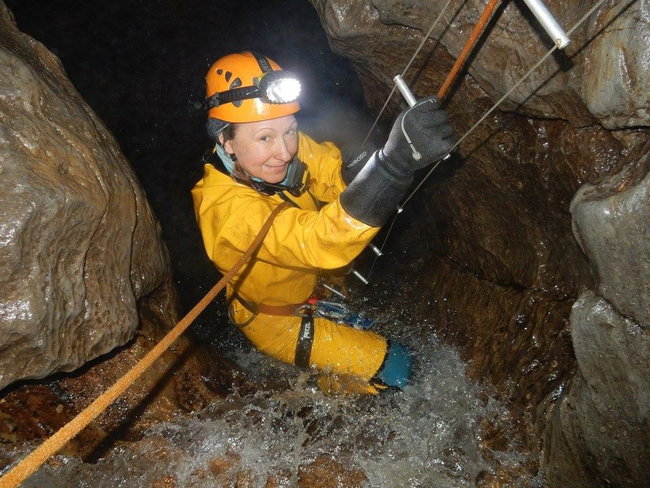
Vertical Caving trips usually require a whole day. The skill levels required by instructors leading trips into vertical caves and mines are greatly advanced. These days are both physically and mentally absorbing, they give a genuine insight as to why the sport of caving can become so addictive. You will be guided by expert practitioners through classic cave or mine systems in the Peak District, the Yorkshire Dales or North Wales. A guaranteed must do if you are looking for an activity that affords the perfect balance of physical challenge, personal thrill and the opportunity to learn and experience both the technical and environmental aspects of cave exploration. Participants will be equipped with harnesses, safety cords and abseiling equipment for this level of underground adventure. A good head for heights is definitely beneficial.ItineraryParticipants can expect a totally absorbing and challenging day out involving a variety of rope techniques underground. These include personal abseils, movement over fixed roped traverse lines and the ascent of flexible ‘electron’ style caving ladders. All of these technical aspects will be closely supervised in order to safeguard you during the more technical sections of the caves. Numbers are kept low on vertical caving days to enable fluid technical skills progression during the underground journey. By working with low instructor to participant ratio we can maintain continual movement. We do this to reduce any prolonged waiting time at pitch heads, abseils or on roped up sections of cave. Too much waiting means the (possible) onset of cold reducing the enjoyment factor and impacting on the experience. Inclusions What you'll need 🧤 Warm Clothing 🍴 Food 🥤 Drink
Vertical Caving Skills (SRT) Personal Progression
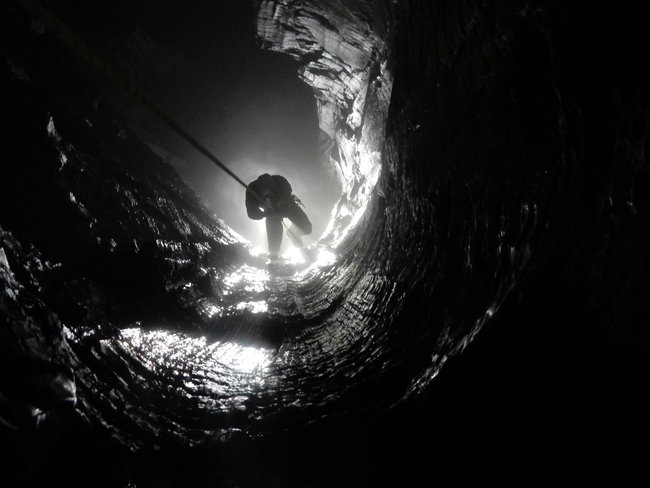
At Acclimbatize we understand that technical handbooks (or well intentioned mates) cannot convey the breadth of experience required to mesh individual techniques fluidly, and integrate them into practical real time situations experienced on caving trips. We have spent decades developing our approach to 'best fit' the needs of caving clubs, expedition caving parties, instructor training and skills development sessions for those with a desire to learn the ropes properly Caver skills training can be targeted at the particular topics you wish to practice and can be arranged over 1 or 2 days .ItineraryWhether you are looking to improve your S.R.T ‘know-how’ or raise the standard within your peer group. Or, refresh the self help and companion rescue skills of your team prior to an overseas expedition? Or, you’ve already recognised personal ‘skill fade’ after a period of inactivity and want bringing back up to speed? Whatever the skills you’re targeting, At Acclimbatize we believe knowing what not to teach - is just as important as the techniques we do teach. We use a ‘building block’ style methodology for teaching new technical skills. We build up from the skills you already know, and use the equipment you are presently familiar with. Once these foundations are solid, the efficiencies and the technical progressions will quickly follow. Drawing down on the experiences gained over 30 years in the UK and overseas – training sessions are kept practical, engaging and based on real world scenarios. Technical caver training usually takes place in a dry comfortable environment which supports faster learning. This approach alleviates the threat of any small technical mistake becoming anything serious in a more hostile cave environment. Reminder: All vital outdoor skills should be practiced frequently to avoid any possibility of skill fade. Skill fade can be a contributing factor in complicating otherwise salvageable situations. Inclusions What you'll need 🧤 Warm Clothing - Caving Clothing ☂️ Waterproofs
Foundation Caving Course
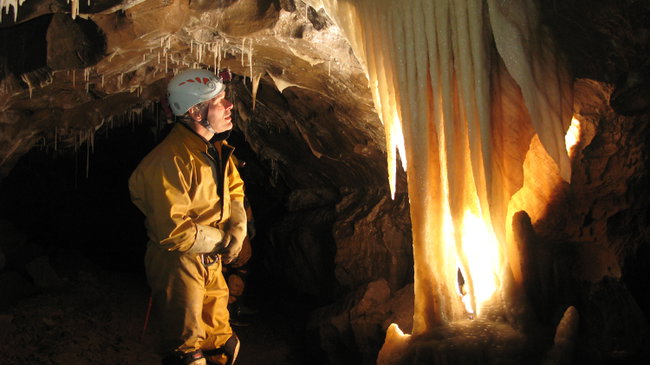
The Foundation Caving Course is a two day practical caving course. It can be arranged for a minimum of 2 people either based in Derbyshire or the Yorkshire Dales The course will cover a range of caving topics including; equipment for cavers, cave geology, weather and its impact on caves (flood risks). Rope work for exploring less technical caves. Where to go, how to choose an appropriate cave for your experience, essential rope work skills, cave maps and surveys. How to recognize and avoid hazards, procedures for underground emergency - and the next steps in your progression as a caver.ItineraryThe 2 days with us will maximise the time spent underground, with practical tips on personal equipment, you’ll learn how to operate as part of a team, safeguard sections of steep cave passage with ropes, learn key knots and how to risk assess a wide variety of passageways. You'll become involved in decisions about ground conditions and how the weather conditions impact on the caves we use. At the end of the process you will have enjoyed at least 2 significant caving experiences, understand how caves form and develop, be competent at tying the knots most frequently used by cavers. You’ll be capable of safeguarding a team of cavers in appropriate terrain and know the next steps in your caving journey. These courses are tailored to meet your needs – they are person focused, meaning they target the skills that you need to know. The foundation caving course will definitely enrich your knowledge, build up your skill base and give you the confidence to become part of an active team or club member. Inclusions What you'll need 🧤 Warm Clothing ☂️ Waterproofs 🍴 Food 🥤 Drink
Beginner Canoeing Experience
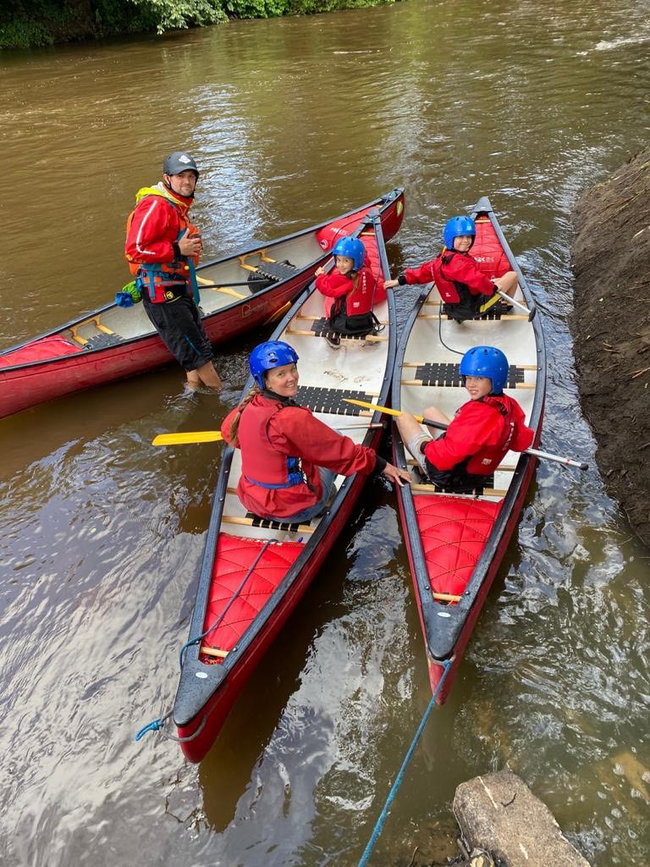
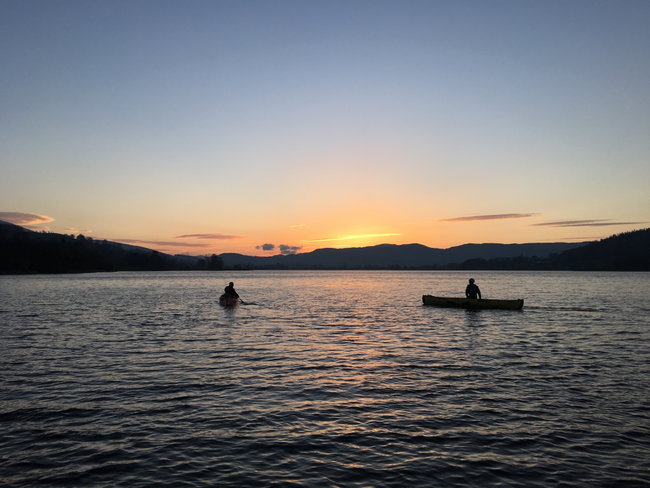
Based in the Derwent Valley near Matlock, Acclimbatize are located perfectly to access and facilitate the best canoeing, raft building and kayaking activities in the Derbyshire Peak District. Introductory sessions for canoeing and kayaking usually take place on placid sheltered water. More exciting opportunities to paddle on expanses of open water or along the River Derwent are available on our Intermediate Canoeing experience which is equally convenient from our operating base.ItineraryInput on our Canoe and Kayak sessions may depend on location, age, ability, time available and weather conditions. The leadership style is mostly action centered and will include some technical demonstrations and the use of appropriate coaching methods. Structured play and games are a key feature in our beginner water sport sessions. This is because structured play helps progress personal skill acquisition and boat handling techniques. This fun approach to learning deepens the level of engagement and boosts the retention of learning. Inclusions What's Included 🧰 Equipment What you'll need 🧤 Warm Clothing - Change of clothes required - just in case! ☂️ Waterproofs
Intermediate Canoeing Experience
If you’ve already acquired a fair grasp of the basic canoeing skills and you’d like to expand on your present experience base…. Here are our suggestions for your progression. Why not try a canoe journey along the scenic River Derwent? We’ll arrange transport for a pick up down stream, collect the boats at the journeys end and deliver you back to your vehicle. OR Canoe sailing: By harnessing the power of the wind with a small sail, you’ll be whipping along those big open expanses of water in rapid time. The primary aims at this level are to create a fun learning environment, impart some new skills, broaden your competence level and enthuse you about doing more canoeing. ItineraryWhen booking we encourage a brief discussion by email or telephone to help determine the most appropriate venue for your session or day. Although delivery will share some common foundation skills, each session is centered on the aspirations of the client group taking into account weather conditions, water levels and any other previous experience. Once you proceed with a booking, a meeting time and location will be agreed. We will send out any additional information by email including suggestions on suitable personal clothing. Inclusions What's Included 🚆 Transportation What you'll need 🧤 Warm Clothing - Complete change of clothes too. ☂️ Waterproofs 🍴 Food 🥤 Drink
Raft Building
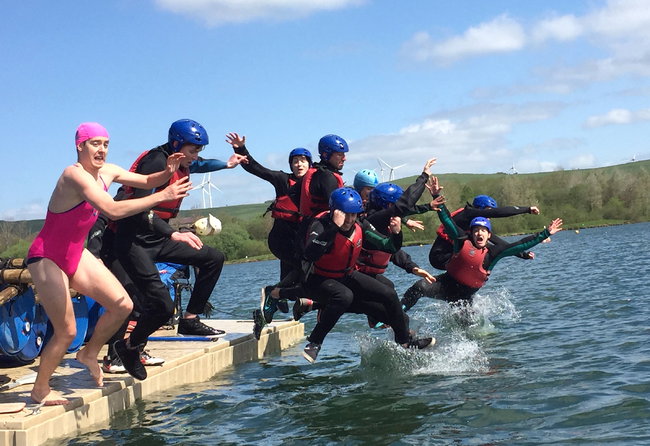
Our improvised raft building sessions take place on open placid (non-moving) inland water. We use raft building as a multi faceted team building challenge activity. The level of input from instructional staff during rafting sessions will be tailored to reflect levels of motivation, practical awareness and commitment within the team. The design and construction of a raft, which must later be relied on by its creators presents a realistic, genuine and practical problem-solving task. The activity brings all team members together as they work towards achieving a common practical goal. Acclimbatize staff are on hand to advise on appropriate knots, aspects of safe design and give out handy hints . Having completed the build phase – now comes the journey ! The team might be tasked with completing a designated journey or the retrieval of pre-placed object at a challenging but achievable distance from shore. This type of activity works brilliantly with a whole range of groups - ideal for groups of friends, corporates, youth organisations and schools alike. ItineraryThe design and build a useable a raft, which must later be relied on by its creators. Having completed the build phase – now comes the journey ! The team may be tasked with completing a designated journey or the retrieval of pre-placed object at a challenging but achievable distance from shore. Safety boat on hand to deal with any mishaps! Inclusions What's Included 🧰 Equipment What you'll need 🧤 Warm Clothing - Change of clothes
Gorge Scramble & Stream Walking
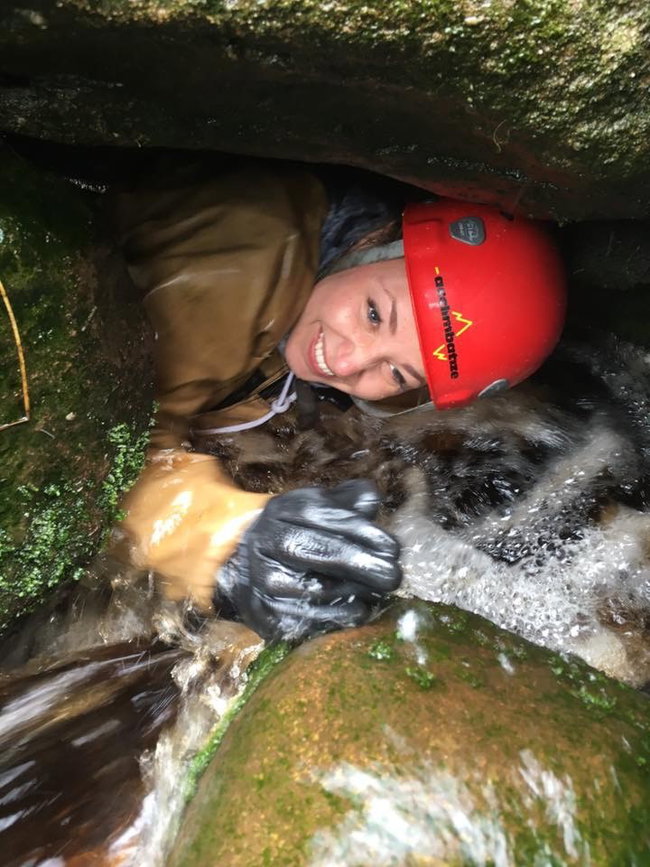
Our gorge scrambling sessions take place in the dramatic stream fed valleys of the 'Dark Peak' an area of outstanding natural beauty. The sessions are pitched to be exciting, playful, challenging and lots of fun . Gorge scrambling is used frequently by groups requiring a spirited, lively shared experience. The playful character and situation of this activity make it a very popular choice as a unique recreational experience for all types of group . Gorge scrambling with younger groups can produce a genuine sense of adventure and exploration. Expect to be crawling under logs, climbing up waterfalls, damming up streams, swimming across short pools and jumping into a plunge pool, Discounted rates available for groups of more than two.ItineraryWe equip all participants with a Helmet, Oversuit and Wellington boots before progressing up the gorge to negotiate a combination of natural obstacles including logs, short climbs, waterfalls and deep pools. We will also include some ‘imaginative’ team tasks and personal challenges along the way. Be sure to pack your best fitting sense of humour... Inclusions What's Included 🧰 Equipment - Suits, Wellies, Helmets What you'll need 🧤 Warm Clothing - Complete change of clothes and towel required
Group Abseiling in the Peak District
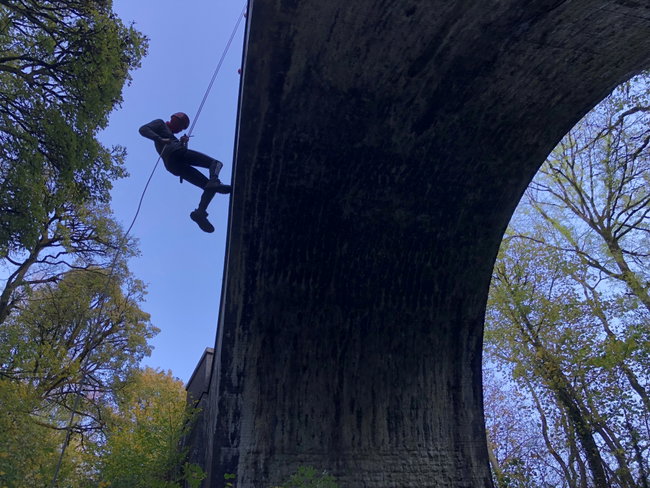
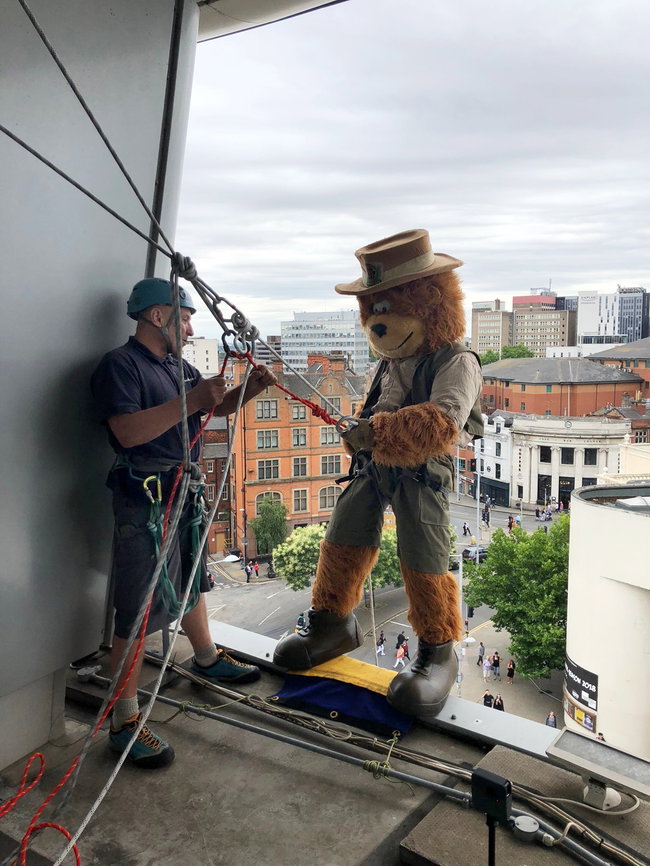
Abseiling was originally used as an improvised mountaineering technique for safeguarding sections of steep ground during descent. Today, abseiling remains an essential skill used by cavers, mountaineers and rock climbers for either exploration, continuation of a journey or to enable access to areas such as sea cliffs in relative safety. Abseiling is a classic high sensation, high thrill experience. It is understandably very popular with our groups for these reasons. Given the time and the correct terrain even the most apprehensive person will come back for another go, once they have succeeded once - a clear indicator of improved confidence! We use a variety of suitable locations including disused railway viaducts and abandoned quarries to minimise impact on locations used for rock climbing. We include abseiling in many of our development programmes because the activity challenges and stretches an individuals personal comfort zone, while simultaneously they (participants) are giving trust and accepting support from others. We strategically organise our abseiling activities to make effective use of time and share out key tasks for efficient operation. We are also available to facilitate sponsored abseils within inner city environments for the purpose of charity fund raising. Abseiling can make a thrilling finale to your outdoor course or adventurous programme leaving strong and lasting memories of personal accomplishment. Inclusions What you'll need 🧤 Warm Clothing ☂️ Waterproofs
Sponsored Charity Abseil
Sponsored Abseil Events are very effective and powerful charity fundraisers. At Acclimbatize we have vast experience in facilitating this type of fundraising event throughout the UK. Talk to us about the efficient organisation and safe delivery of your planned event. ItineraryA superbly organised and 100% safe event which supports the needs of all. Event organisers can depend on a supportive team - we'll take away all the stress of organising the day.
Team Building Event
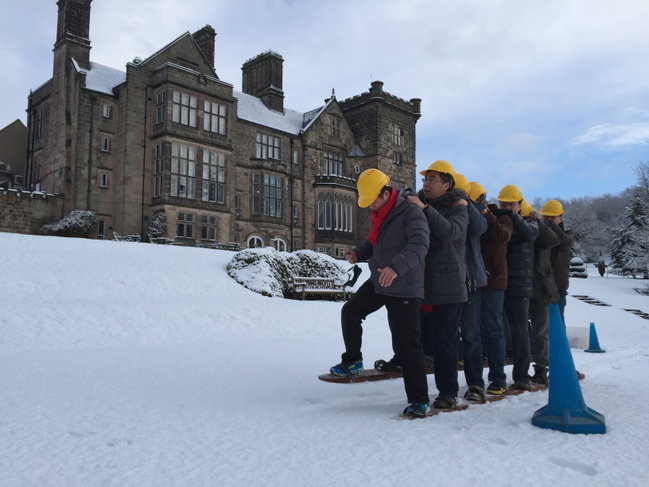
We base our team development programmes around exercises which although real – with real rewards for success and real penalties for failure – do not rely on a particular expertise or skill. We do this so that the underlying team building elements are highlighted without any specific expertise getting in the way. Our ‘Team Challenge Tasks’ are specifically designed with the purpose of bringing all team members together to work towards achieving a common goal. We ensure that the tasks themselves are fun and memorable. By doing this, we believe that the associated learning is also memorable. Working co-operatively and cohesively, as a team is a theme that runs strongly through all of our outdoor activities.ItineraryAll of our Team Building Tasks are transportable and can be easily set up to support learning programmes at a location of your convenience. These events can help maintain focus, raise attainment and highlight the importance of working together through a direct and powerful approach to learning. Whether your event is a ‘set piece’ in a continuing programme of learning, an annual fixture on your calendar or a one off celebratory occasion. Acclimbatize will work in partnership with you to create an adventurous event, which is innovative, inspirational and memorable. Simply choose your selection of component parts from our wide range of activities. Your selected activities will then be incorporated into your event – applying an appropriate scenario or theme around the tasks you have selected may add a dynamic dimension and help cement your event together. We ensure our events are fully engaging and inclusive of all abilities – we do this by deliberately factoring in a variety of roles on all tasks in keeping with our ‘Challenge by Choice’ ethos. Inclusions What you'll need 🧤 Warm Clothing ☂️ Waterproofs
Hill Walking Skills Day
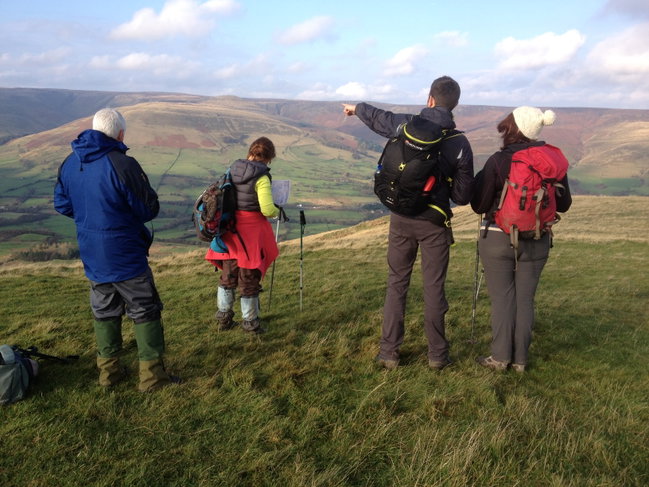
Our Hill Walking experience days are your key to getting started in countryside and moorland walking. There is no experience of hill walking required because the content of the day is aimed at beginners. If you do have some experience of hill walking but aren’t confident about planning walks, navigating and understanding the equipment required, then attending this day is an ideal way to learn.ItineraryYou can expect to be out walking each day for around 5 - 6 hours and generally on marked footpaths or trails that are rough underfoot. Much of the journey during the day will involve learning opportunities and as such, the pace of the day is friendly and will include plenty of breaks. The Hill Walking Skills Day requires a moderate level of fitness. It is a practical journey day where you will be walking and learning along the way. Inclusions What you'll need 🧤 Warm Clothing - appropriate footwear. ☂️ Waterproofs
2 Day Hill Walking Course
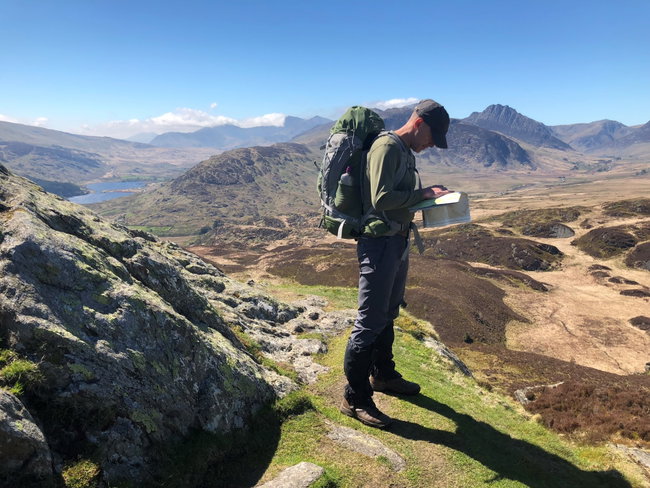
Walking in the hills can be an exciting and sometimes daunting prospect if you have never done it before. To stay safe and enjoy your time on the hill you will benefit from some basic skills and expertise to guide you on your way. This 2 Day Hill Walking Course is designed to teach you that. The aim is to equip you with the basic knowledge and safety skills required to participate in hill walking in your own time. People hill walk for many reasons, but a significant motivating factor is the sense of freedom that you gain from exploring the great outdoors. ItineraryDuring a Hill Walking course, you can expect to start each day at about 9am. The first part of the course is spent indoors, getting to know the other people on the course and gaining an understanding of basic hill walking planning. The Tutor will outline the plans for the course before you head out into the hills. The end of the day will usually involve a short indoor session to review the day and plan the following day’s outing. You can expect to be out walking each day for around 5-6 hours and generally this will be on footpaths or trails that are rough underfoot. Much of the journey during the course will involve learning opportunities and as such, the pace of the day is friendly and will include plenty of breaks. Inclusions What you'll need 🧤 Warm Clothing ☂️ Waterproofs
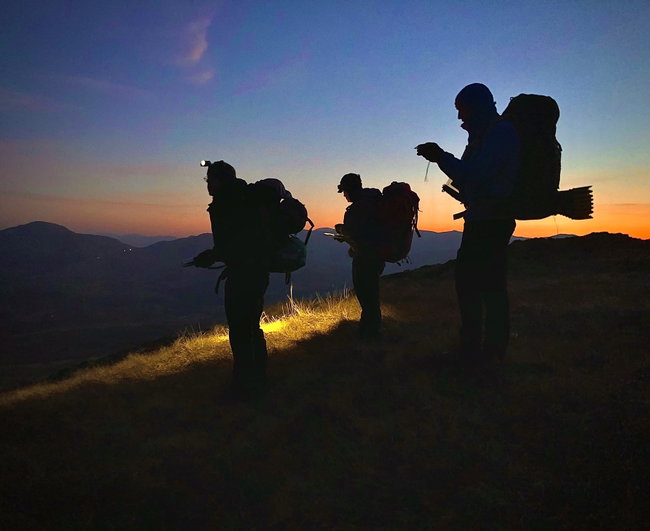
Backpacking Expedition North Wales and Peak District
One of the primary aims of going on an expedition, is to develop the ability to operate independently and to promote self-reliance and self-confidence. To this end we will help you develop those skills to help you become safely self reliant in the hills. On this course you will enjoy 3 days navigating in the mountains, 2 nights wild camping and an opportunity to hone your skills in a night navigation exercise.Day 1Meet - Check check and depart on foot from local area, we will be working on 1:25000 scale maps. Expect 4 - 5 hours walking on day. It will be a casual pace taking in plenty of rest breaks. We will aim to arrive at a suitable wild camping site in good daylight. Guests will prepare a meal and take part in a night navigation exercise (optional) for 2 hours. Day 2Break camp, journey into the higher mountain regions and travel over steeper ground looking at some simple rope techniques for walkers. On day 2 we will be measuring distance and using a compass to aid decision making and master walking on a bearing. The second and third day will be planned by the participants under guidance from the Instructing member of staff Day 3After breaking camp we'll continue our journey through the hills and finish off with some river crossing drills. The course will conclude mid afternoon. Inclusions What you'll need 🧤 Warm Clothing ☂️ Waterproofs 🍴 Food 🥤 Drink ⛺ Camping Equipment 📋 Other - A detailed list will be sent out after booking.
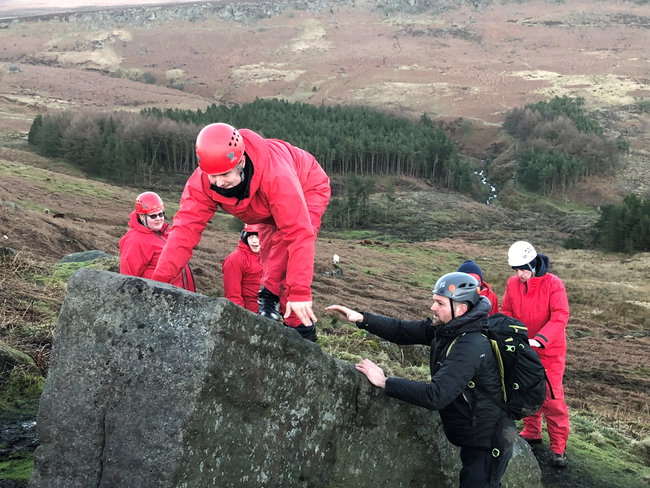
Mixed Bag Adventure Day
Multi Activity Day 'Mixed Bag' Adventure Days are build around short experiential bursts of activity. These days are Ideal for groups seeking to enjoy a flowing, dynamic and action packed day out without being locked into a formal outdoor activity session. Typically participants will move (in teams) around a sequence of pre positioned activities and challenges. The adventurous activities we include will be determined by the geographic location of the event -participants will enjoy the experience of an engaging and powerful activity journey. A typical Mixed Bag / Adventure day would give the opportunity to sample some of the following: Rock Climbing, Abseiling, Problem Solving / Team Building tasks, a Tyrolean Traverse (Ariel rope bridge) some Orienteering or the use of a hand held GPS We glue these events together by either using a point scoring system to give the day a competitive edge or by wrapping a team building scenario around the event to accomplish a sense of group unity. These events work brilliantly for larger groups where the diversity of tasks and challenges will maintain high levels of motivation keep everyone engaged. The days afford leadership opportunities for individual group members of personality types . We operate a ‘Challenge by Choice’ policy and take care to strategically factor in roles on all adventurous activities which allow the group to plan and organise themselves around their strengths as well as any fears and phobias present within the team.ItineraryMixed Bag adventure days are built around short experiential bursts of activity. Ideal for groups seeking to enjoy a flowing, dynamic and action packed day out without being locked into a formal outdoor activity session. Typically participants will move (in teams) around a sequence of pre positioned activities and challenges. The adventurous activities we include will be determined by the geographic location of the event -participants will enjoy the experience of an engaging and powerful activity journey. Inclusions What you'll need 🧤 Warm Clothing ☂️ Waterproofs 🍴 Food
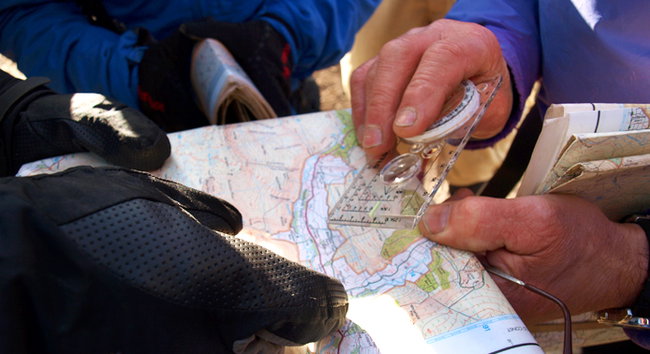
Orienteering
Orienteering is a sport that challenges both mind and body. Participants are given a topographical map, usually a specially prepared orienteering map, which they use to find control points. Originally it was used as a training exercise in land navigation for military officers, orienteering has developed many variations. On foot orienteering serves as a point to point race against a clock or against other teams and requires strategic thinking and spontaneous decision making in order to visit the most checkpoints in the shortest amount of time.
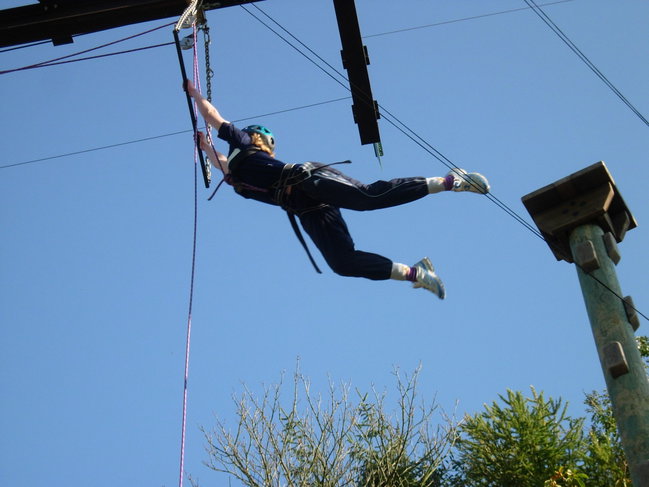
High Ropes Course
Modern Ropes courses are purpose built to encourage group work participants must work together as a cohesive team to enable individuals to achieve personal success. These facilities provide a wealth of challenges and allow for participation on a wide degree of levels. The challenges these facilities afford may be both physical and emotional (fear of falling). Participants will frequently encourage and coach their peers through periods of anxiety. Risk is managed by other group members via rope safety systems or by critical spotting (low courses only). The social and educational benefits include, decision making, risk taking, willingly trusting others, goal setting and improved team performance. Acclimbatize have negotiated access to number of privately owned facilities including high and low ropes courses and zip lines. Inclusion of this activity can make an excellent stand alone team day or a memorable finale to a multi activity course. Minimum booking 8
Lowland Leader Training
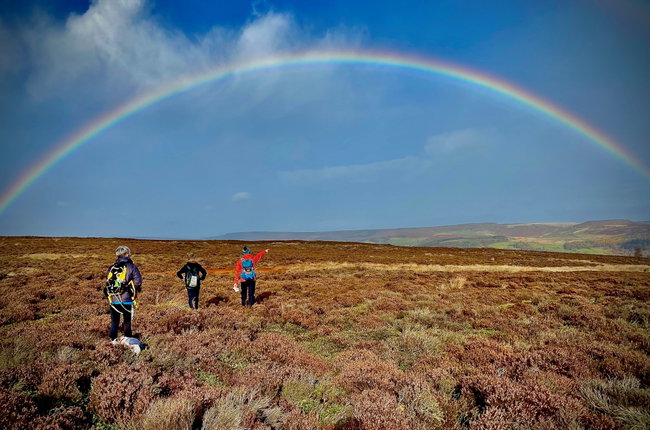
The Lowland Leader qualification has been designed for people who wish to lead groups on day walks in lowland countryside and woodland in summer conditions. The majority of the UK and Ireland is made up of this type of terrain so you'll never be short of places to go walking. The Lowland Leader qualification is a nationally accredited scheme developed and administered by the national Mountain Training Boards. The qualification is designed to train and assess those who wish to lead groups on day walks in lowland countryside and woodland in summer conditions.1 This qualification complements and supports the other walking qualifications administered by Mountain Training – the Hill and Moorland Leader (formerly Walking Group Leader) and the Mountain Leader. For further information on these qualifications and the Mountain Training climbing qualifications please see www.mountain-training.orgItineraryThe Lowland Leader qualification trains and assesses candidates in the skills required to lead others on walks in lowland countryside and woodland that fit ALL of the following criteria: • Walks must not cross any hazardous terrain (e.g. cliffs, very steep slopes, water hazards etc.). • Throughout the walk the group should never generally be more than 3km away from a key access point such as a car park, lay-by or populated area. Any potential escape routes should also lie within the scope of the defined terrain for the Lowland Leader award.• Walks will require the ability to plan routes, use simple navigation skills using a map and compass and be self sufficient. • Walks must follow paths or tracks that are both marked on a map and clearly visible on the ground and that do not require navigation across untracked areas. • Walks must use bridges or other recognised water crossing points. • Walks must only take place in summer conditions (ie when there is no unavoidable snow or ice on any part of the route). Inclusions What you'll need 🧤 Warm Clothing ☂️ Waterproofs 🍴 Food 🥤 Drink
Lowland Leader Assessment
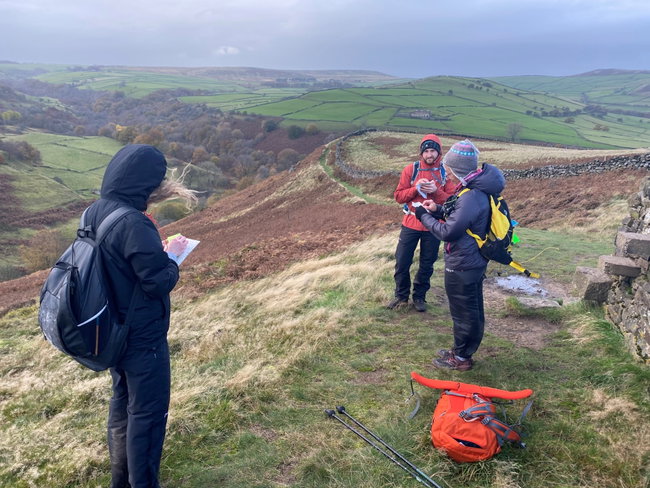
Candidates are advised to continue to develop skills learned during their training course on suitable Lowland terrain walks until they feel confident of their ability to lead groups before they present themselves for assessment. Prior to assessment all candidates must have completed an absolute minimum of 20 logged walks in lowland countryside. Duplicated walks must not be counted in this total and walks should encompass a breadth of different lowland terrains i.e. coast, forest, farmland. Experience gained in other mountain activities is useful, but not a pre-requisite. Some non–UK/ Ireland experience may be included, but should be in terrain and conditions that are similar to those in the UK/Ireland and must be unguided. Normally any overseas days would be considered as additional experience and should not form a substantial part of the required total. Prior to the assessment candidates must have physically attended and completed (i.e. not online) a first aid course which involved at least two full days or sixteen hours of instruction and included an element of assessment. Assessment courses will contain a minimum of 16 hours contact time and will be delivered by Mountain Training approved providers. Candidates will be tested in accordance with the syllabus and should ensure they are familiar with it before attending the course. Attendance will be recorded by the provider or director and entered on to the Mountain Training Candidate Management System.Day 1Assess the syllabus areas Day 2Candidates will be assessed on the syllabus criteria Inclusions What you'll need 🧤 Warm Clothing ☂️ Waterproofs 🍴 Food 🥤 Drink
Expedition Skills Module
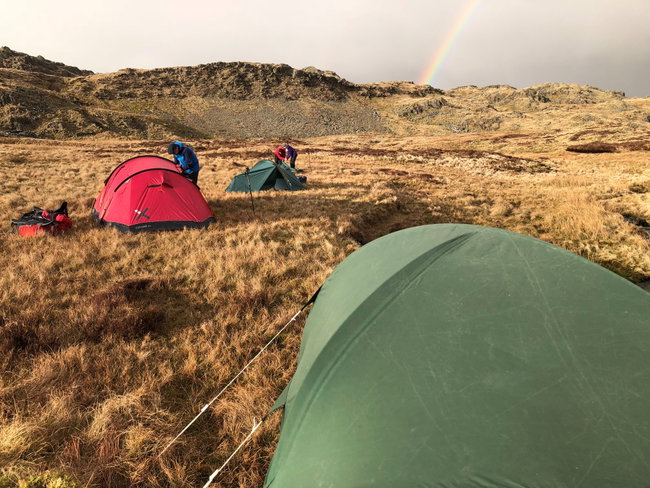
The Expedition Skills Module is an optional module available to walking leaders. It's an opportunity to increase your skills where you will be trained and assessed to lead groups on multi day camping expeditions. The flexibility of the module makes it useful for Lowland Leaders, Hill and Moorland Leaders and Mountain Leaders in terrain and conditions within the scope of their respective qualification. The Expedition Skills Module is ideal for those involved with the Duke of Edinburgh's Award and/or Ten Tors training (among other things) because the skills covered apply to expeditions using commercial campsites as well as wild camping.ItineraryExpedition Skills courses are delivered by Mountain Training approved Providers and will include a minimum of sixteen hours contact time. At the discretion of the course provider, candidates may also be set a variety of tasks prior to their attendance. Candidates will be tested in accordance with the syllabus and should ensure they are familiar with it before attending the course. Attendance will be recorded by the provider or director and entered on to the Mountain Training Candidate Management
Rock Climbing Instructor Training
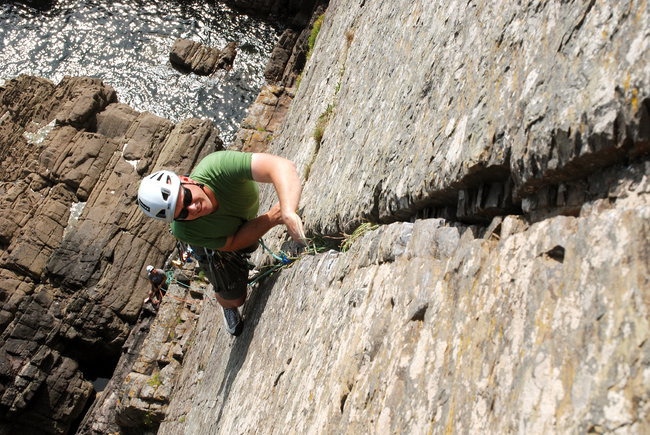
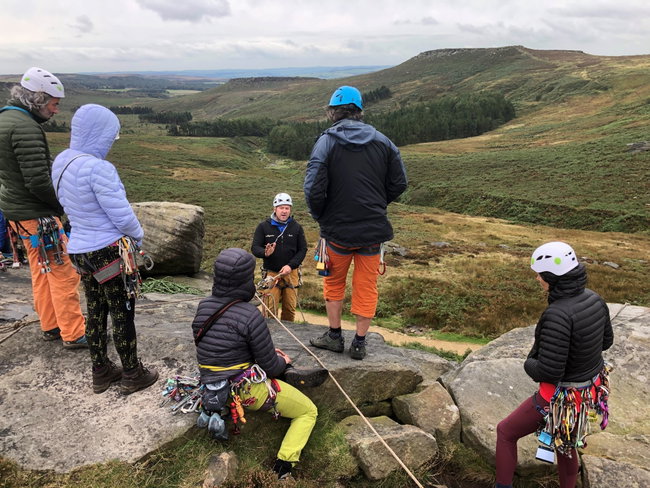
This qualification is all about taking people climbing and abseiling on single pitch crags and artificial structures. Whether you're a parent, a volunteer or an outdoor centre instructor, the Rock Climbing Instructor qualification trains and assesses experienced rock climbers to instruct climbing. This qualification used to be called the Single Pitch Award which was revised following a review and relaunched under this new name on 2nd April, 2018. You must be at least 18 years old. You should be an experienced indoor and outdoor rock climber. You should have a genuine interest in climbing and the supervision of groups. You must be a member of a mountaineering council: BMC, Mountaineering Scotland or Mountaineering Ireland.ItineraryTraining will involve a minimum of 24 hours contact time delivered over a minimum of 3 days, with 8 hours in a climbing wall. The role of a Rock Climbing Instructor is to facilitate a safe and successful climbing experience for everyone in their groups. Please call the office or refer to the Mountain Training - Rock Climbing Instructor Handbook for further information Inclusions What you'll need 🧤 Warm Clothing ☂️ Waterproofs 🍴 Food 🥤 Drink
Rock Climbing Instructor Refresher
This day is designed for aspirant Rock Climbing Instructors who have already completed the RCI training course and would like refreshing prior to the assessment course. ItineraryThe day aims to drill down into any areas of the syllabus that candidates may feel need support with. An action plan will be given at the end of the day. These days are delivered by approved RCI course directors and therefore any guidance given will have (current) credibility. Inclusions What you'll need 🧤 Warm Clothing ☂️ Waterproofs 🍴 Food 🥤 Drink
Rock Climbing Instructor Assessment
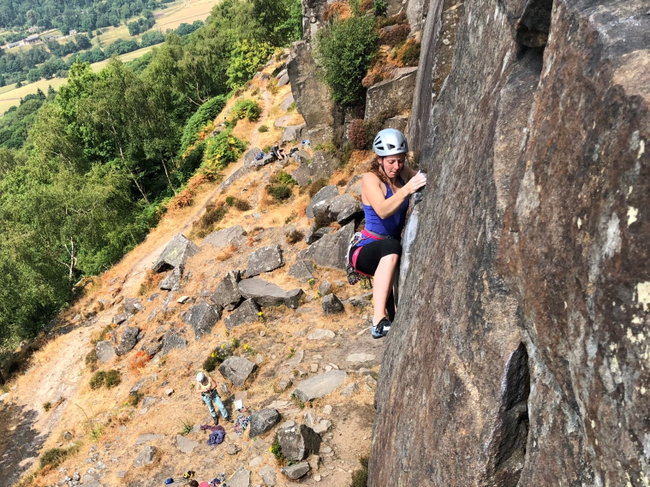
Rock Climbing Instructor Assessment. To attend this course you must meet the assessment prerequisites: You must have attended a Rock Climbing Instructor (or Single Pitch Award) training course or been granted exemption from training. You must be familiar with the syllabus. You must be competent leading Severe grade climbs on outdoor crags with leader-placed protection. You must have led a minimum of 40 graded rock climbs with traditional protection at a variety of venues (of which at least 20 MUST be at Severe grade or above). You must be proficient in the use of climbing walls and have a minimum of 30 climbing wall leads graded at F4 or above. You must be proficient in outdoor bolt protected sport climbing and have a minimum of 10 sport climb leads graded at F4 or above. You must have assisted in the supervision of 20 instructed sessions. These sessions should be at a variety of different venues with 10 being on indoor climbing walls and the other 10 on outdoor crags. A session is a half day or evening. At least five of these sessions must have personal reflective comments recorded on DLOG. You must have physically attended and completed (i.e. not online) a first aid course which involved at least two full days or sixteen hours of instruction and included an element of assessment. Inclusions What you'll need 🧤 Warm Clothing ☂️ Waterproofs 🍴 Food 🥤 Drink
Cave and Mine Leader Training
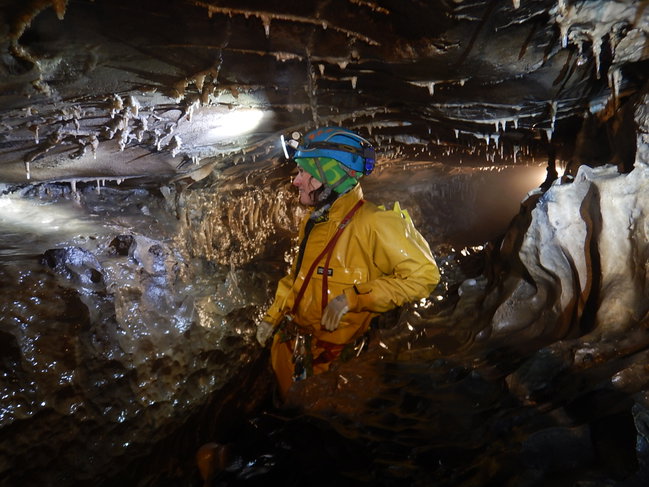
A two-day (16 hours) training course with a ratio of 1 trainer to 6 candidates. At least 6 hours should be spent underground. The training course can be undertaken in any caving region. We mainly use Derbyshire and the Yorkshire Dales. The training course will have some elements of personal skill development, however, will primarily focus on leadership skills and techniques appropriate for leading groups within the remit of this award. It assumes candidates will have the basic level of competence in caving.Day 1The training course will cover the key areas of the assessment syllabus listed below, with a tailored focus on areas candidates typically have difficulty with or identify with the Trainer/Assessor as requiring further input. . Trainer/Assessors may offer resources and guidance for a candidate to help further their knowledge however candidates are encouraged to familiarize themselves with the syllabus prior to attending a training course so they can identify areas they are unfamiliar with and address these with their trainer.Day 2Pre-trip checks Weather Forecast & Sources, Water Levels and Fluctuations – recent rainfall / catchment areas. Effects of Bad Weather – surface Access Procedures. Conservation Awareness – surface Destination Notes Cave Rescue Call Out Procedure Guidebook / Survey Information Navigation – surface Clothing – suitability for wet / dry venues Helmet / Belt / Boots – suitability Lighting – suitability / duration / maintenance etc Technical Gear – suitability / limitations / maintenance of rope / krabs / sling etc Underground emergency gear Spare Lighting – suitability / duration First Aid Kit Emergency Food Survival – shelter / warmth Knife Writing Material Underground hazards Pollution Weil's Disease Radon Gas Loose / Slippery Rocks Holes Deep / Fast Water Awareness of Flooding – speed of / likely effects Evidence of cave’s reaction to Flooding Difficulty of Rescue Statistics / Common Rescue Incidents Conservation & access Site Specific General Public Relations Cave environment Basic Surface Geology / Topography / Karst features Cave Development / Bedding & Joints / Passage Shapes Cave Deposits Temperatures / Draughts Flora & Fauna Fossils Formations (speleothems) Technical skills Surface navigation in Poor Visibility / Darkness Underground movement skills – over a variety of passage types Underground navigation / Survey interpretation / Timing Suitable Knots Selection and use of suitable Belay Points (natural and artificial including bolts) Lifelining rope only Lifeline using Italian Hitch / Slings / Krabs etc Assisted Handline / Hoist Traverse Improvised Harness – rope only / other Handlines – limitations / position of leader Unprotected Climbs – position of leader Use of Fixed Aids – chains / ladders / ropes Communications / Group Management Leadership / Judgement Accident & emergency procedures Incident Management Assessment / First Aid Treatment / Plan of Action Rescue Call Out Hypothermia – Awareness / Treatment / Action Light Failure Cancellation of Destination Note Overdue Problems Access to Dry Clothing Inclusions What you'll need 🧤 Warm Clothing ☂️ Waterproofs 🍴 Food 🥤 Drink
Vertical Cave Leader Training
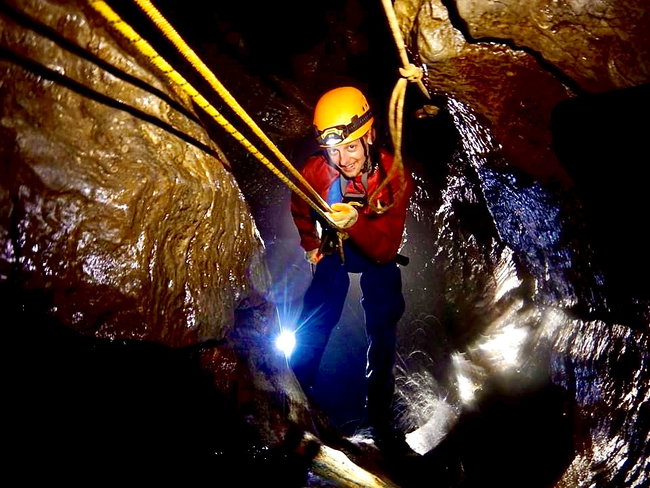
This largely practical training course would take place over a minimum of 2 days involving both surface and underground sessions. At least 6hrs of the training course should be spent underground. Up to 4 candidates may attend this course with one Trainer/Assessor. The course is recognized nationally, and so can be attended in any caving region. Candidates are expected to be comfortable exploring vertical caves and mines with some SRT competence, although an element of SRT training will be included in the course. Training courses will focus on some personal skill development however will primarily focus on the specific skills required by a leader to manage a group in vertical terrain through both abseil and ladder, including an understanding of incident prevention and management. The training course will cover the key areas of the assessment syllabus listed below, Day 1The training course will cover the key areas of the assessment syllabus listed below, with a tailored focus on areas candidates typically have difficulty with or identify with the Trainer/Assessor as requiring further input. QMC have prepared some resources that may support a candidate, these are available on the BCA website. Trainer/Assessors may offer resources and guidance for a candidate to help further their knowledge however candidates are encouraged to familiarize themselves with the syllabus prior to attending a training course so they can identify areas they are unfamiliar with and address these with their trainer.Day 2Core Skills Vertical equipment Leader’s personal equipment –suitability / care Choice and suitability of equipment for group members’ use – harness / cowstails / descender etc Knowledge of ppe regulations and equipment standards Ropes – types / construction /longevity / usage / storage / care etc Karabiner / maillons – types / usage/ limitations etc Ladders / spreaders / tethers – types/ construction / linkage / limitations /coiling / storage etc Descenders / ascenders / pulleys / belay devices etc – types / usage / limitations Bolt hangers – types / usage / limitations Knots Use of an appropriate range of knots, Knowledge of suitability / limitations, Rigging Equipment preparation / packing Rigger protection – methods and their advantages / limitations Natural anchors – suitability and use Artificial anchors – pre-use checks Knowledge of fall factors Traverse lines Belay systems – construction using rope / slings – alignment and forces– sharing loads Pitch head – approach / ease of access / position of leader etc Ladders – use of spreaders etc. / deployment etc Group abseil rope Lifeline – incl. Double lifelining Lifelining methods Belay methods and devices – use and limitations Position of leader Safety of group members – waiting / to & from pitch head Efficiency / fluidity of lifeline technique Double lifelining Communication Descent / ascent Group ladder climbing- pros and cons / hazards / style Group abseiling – pros and cons / hazards Lowering – pros and cons / hazards Leader personal safety – ladder / abseil Emergency vertical techniques Improvised harness – rope only / slings & krabs Use & limitations of waist belay Chosen belay method or device – ability to lock off / ability to lower off / ability to convert to hoist etc Ladder problems and solutions Abseil problems and solutions Lowering problems and solutions Traverse problems and solutions Assistance to exhausted ladder climber Hoist of exhausted / injured group member – with assistance / without assistance Conversion of hoist to lower. Inclusions What you'll need 🧤 Warm Clothing ☂️ Waterproofs 🍴 Food 🥤 Drink