Canoe
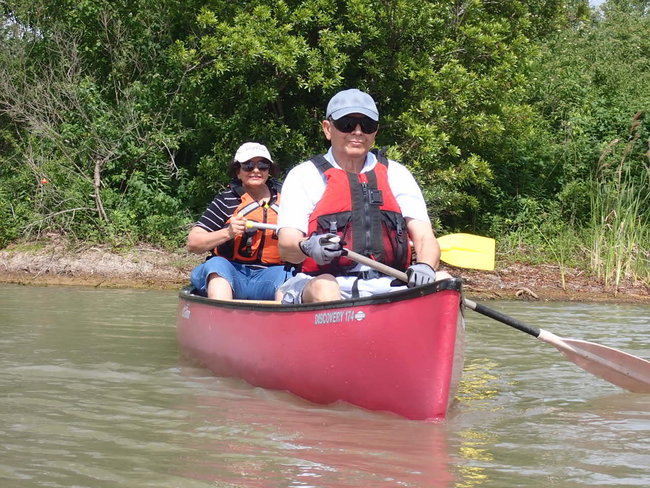
Smart Start Canoeing
Smart Start Canoeing Course Overview We expect Smart Start for Safe Paddling facilitators to be able to effectively maneuver their craft and demonstrate competent rescue techniques. This certification allows the facilitator to introduce paddlecraft safety and knowledge to the beginner paddler in a land-based setting. This module is to be taught in conjunction with the Smart Start for Safe Paddling General Knowledge Module. This program was formerly known as “Paddlesports Safety Facilitator” and was officially re-branded as “Smart Start for Safe Paddling” in October 2025. If you’re a student who would like resources to prepare for this course, ACA is pleased to provide the Smart Start for Safe Paddling suite of resources, which features a comprehensive resource book, student activity workbook, facilitator’s guide, and free online coursework. The 100% free Smart Start for Safe Paddling interactive online course can be found here. A certificate of completion is included! This is a 4-year, non-renewable certification. Course Prerequisites Acknowledgment of personal compliance with the ACA Essential Eligibility Criteria (EEC) Be a current ACA Member Understands and acts in accordance with ACA's Code of Conduct Course Duration General Knowledge Module Duration: Minimum of 4 hours Discipline Specific Module Duration: Minimum of 1 hour per module Course Location / Accessible Venues Flat water, protected from wind, waves and outside boat traffic, with current less than 0.5 knots and within swimming distance of shore. Course Size 12 Participants : 1 Instructor; with an additional qualified assistant, the ratio can be 24 : 2. The maximum number of participants permitted is 24. Who Can Teach This Course This course may be offered by currently certified ACA: Level 3 Canoe Instructors (or higher) Level 1 and 2 Canoe Instructors with a Smart Start for Safe Paddling Endorsement. If the ACA Instructor would like to offer this course in another discipline (Kayak or SUP), they must have, at minimum, an ACA Level 1 Skills Award in that additional discipline to offer that module Leader Trainers (or higher) Guide Trainers (or higher) Level 1 (or higher) Instructor Trainer or Instructor Trainer Educator as described below Endorsements Endorsements can be given by any currently certified ACA Level 1 (or higher) Instructor Trainer or Instructor Trainer Educator. If the ACA Instructor Trainer or Instructor Trainer Educator would like to offer the Smart Start for Safe Paddling endorsement to an instructor certified in a different discipline, the IT or ITE must have, at minimum, an ACA Level 1 Skills Award in that discipline. Succeeding Courses Level 1: Intro to Kayaking, Canoeing, SUP, or Packrafting Skills, Assessment, or Certification Course Community Paddlesports Leader (CPL) Certification Course Paddlesports Leader (PL) Certification Course Smart Start for Safe Paddling Certification Maintenance Requirements Maintain ACA membership annually This is a 4-year, non-renewable certification. Canoe Module Requirements Demonstrate the following: Securing boat for transport on car or trailer using proper tie downs, straps, or knots Knots: Figure-8, bowline, truckers hitch, and 2 half hitches Techniques for safely loading and unloading the canoe from a car, trailer, or rack Safely carry the canoe to and from the water Enter and launch the boat from shore in a controlled manner, checking for clear departure Determine boat stability (trim, stance, bow to stern, gunwhale to gunwhale, etc.) Demonstrate the ability to perform the following safety and rescue skills: Calmly exit the boat after a capsize, using proper body position and contact with the craft and paddle Deep water exits: vault and slide performed in flat water Swim a canoe 30 feet (9 meters) to shore Maneuver the canoe to rescue a person in the water and their capsized boat Strategies and techniques for boat and paddle recovery including bumping, bulldozing, towing, or swimming equipment to shore On-water assisted rescues: boat over boat or side by side or others appropriate to conditions Self and assisted swimmer re-entry techniques (i.e., heel hook, rescue sling, paddle float) Perform an unresponsive paddler rescue Emptying water from the boat (on shore, bailers, pumps, sponges, etc.) Satisfactorily complete the General Module Successfully complete the Smart Start for Safe Paddling Exam Conclusion and Course Wrap Up Group debrief / individual feedback Course limitations Importance of First Aid and CPR Importance of additional instruction, practice, and gaining experience Importance of appropriate level of safety and rescue training Life sport / paddling options Local paddling groups / clubs Handouts / reference materials ACA membership benefits and renewal process Course Management System (CMS) access for credentials and training history © American Canoe Association Date of last revision: 10/28/2025 https://americancanoe.org This curriculum is managed by the ACA Introduction to Paddling (IPC) Committee. To connect with the leadership of this committee, please view the SEIC Committee rosters on the ACA website. See skill course overview here: https://americancanoe.notion.site/Smart-Start-for-Safe-Paddling-Certification-Criteria-Canoe-Module-8d4dd17b47754094b8781670f3af5009?pvs=143
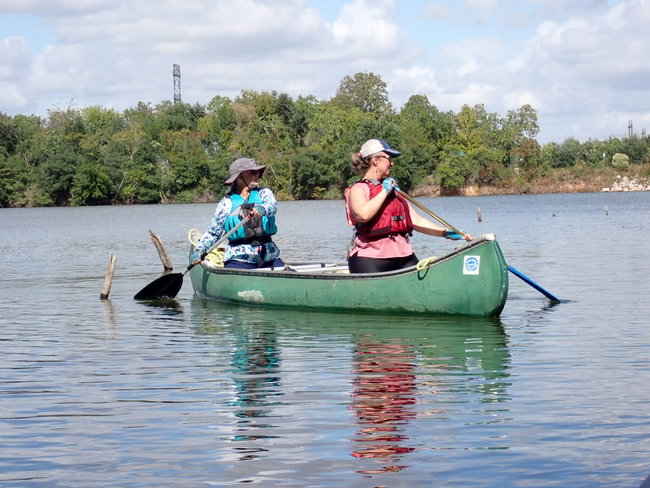
L2: Essentials of Canoeing
Level 2: Essentials of Canoeing Course Overview The Essentials of Canoeing course is designed as an introduction to paddling canoes on flatwater and gently moving protected waters. Participants learn to paddle a canoe, recognize and avoid hazards, perform rescues, and respond to emergencies. This course is appropriate for all types of tandem and/or solo canoes. It can be taught tandem, solo, or both. If you’re a student who would like a resource to prepare for this course, ACA is pleased to provide a free online paddling safety course, here. A certificate of completion is included! Course Prerequisites Acknowledgment of personal compliance with the ACA Essential Eligibility Criteria (EEC) Agree to comply with the ACA Code of Conduct No prior paddling experience or training is required to participate in this course Course Duration The course duration should be adjusted to best fit the needs and goals of the participants. Suggested time: Half a day to one day (4-8 hours). Course Location / Accessible Venues Flatwater or gently moving rivers with current up to 1 knot (1.15 mph), wind up to 10 knots (11.5 mph), and waves up to 1 foot (0.3 meters). Course Size Tandem: 6 participants : 1 Instructor; with an additional instructor or qualified assistant, the ratio can be 12 : 2. Solo: 5 participants : 1 Instructor; with an additional instructor or qualified assistant, the ratio can be 10 : 2. For additional details, see SEIC Policy Manual Chapter 6. Instructor This course may be offered by Level 2: Essentials of River Canoeing (or higher) or Level 2: Essentials of Canoeing (or higher) ACA Instructors, Instructor Trainers, or Instructor Trainer Educators. Succeeding Courses Level 2: Essentials of Canoeing Assessment or Certification Course Level 3: River Canoeing Skills, Assessment, or Certification Course Level 3: Freestyle Canoeing Skills, Assessment, or Certification Course The following is a general summary of course content for the Essentials of Canoeing course. The content covered and sequence of instruction should be adjusted to best fit the participant’s needs, class location and time allowance. Introduction, Expectations, and Logistics: Welcome, introductions, paperwork Student and Instructor course expectations and limitations Course itinerary and site logistics Review waiver, assumption of risk, challenge by choice, medical disclosure About the ACA Life jacket policy (always wear on water) Appropriate personal behavior No alcohol / substance abuse Proper etiquette on and off the water Respect private property Practice Leave No Trace ethics Paddling Environment: Wind Waves Weather Water Personal Preparation: Personal ability Swimming ability Water comfort & confidence Fitness, conditioning, and warm up Safe paddle and boat handling Safety and rescue considerations Personal equipment (reviewed by Instructor) Getting Started: Warm-up and stretching Personal clothing & equipment Car topping: loading and unloading, racks, straps Knots: figure 8 or bowline, trucker's hitch and 2 half hitches Canoe carries: overhead and suitcase Launching / landing from shore or dock Canoe trim Posture, rocking and balance Positions in the canoe (students may select sitting or kneeling stance) Concepts of Paddling Trip Planning - 6P’s: Prior Proper Planning Prevents Poor Performance Group Dynamics Judgment Federal, State and Local laws and regulations River etiquette Equipment: Canoe: types, parts, materials Paddle: types, parts, materials, sizing, hand position (straight and bent shafts) Lifejacket (PFD): types, materials, fit Safety equipment Group equipment Care of equipment Optional equipment & outfitting Strokes: Forward stroke Forward (w/ stern pry, rudder and/or J Stroke corrections) Reverse/Back stroke Sweeps (forward, reverse) Draws (with out of water and in water recovery [IWR, OWR], sculling) Bow Draw (Stationary/Dynamic) Cross Bow Draw (Stationary/Dynamic) Stern Draw Stern Pry Pry/Push Away Maneuvers: Go Forward: Paddle in a straight line for 15-20 boat lengths Go in Reverse: Paddle backwards reasonably straight for 2 boat lengths Stop: within 2 boat lengths from good speed Spin canoe in both directions Move Abeam: Move the canoe 10 Feet (3 meters) sideways to both sides w/o headway Move the canoe abeam while underway Propel the canoe in a figure of 8 course around markers 3-4 boat lengths apart Turn the canoe 90 degrees to the right and left while moving Launch and land the canoe in a controlled and safe manner Switch positions in the canoe Safety & Rescue: Group organization and management on the water Communication Devices, Signals: Whistle. Paddle, and Hand Signals: Whistle, Paddle and Hand Identify hazards Paddling in boat traffic Responsibility: Group; Individual; Rescuer; Rescue Rescue Priorities: People, Boats & Gear Rescue Sequence: (T-RETHROG) Throw rope use Controlled capsize Swimming a boat 25 feet to shore How to empty a boat full of water Canoe over Canoe rescue Side by Side (parallel/curl) rescue Re-entry (Self & Assisted, Heel Hook, Rescue Sling) Towing a swimmer/canoe, Tired Swimmer Assist Hypothermia, Hyperthermia: recognition, symptoms, treatment, prevention, proper clothing Conclusion and Wrap Up: Group debrief / individual feedback Course limitations Importance of first aid and CPR Importance of additional instruction, practice, experience Importance of appropriate level of safety and rescue training Demonstrate advanced maneuvers Life sport / paddling options Local paddling groups / clubs Handouts / reference materials ACA membership forms Course evaluation Participation cards © American Canoe Association Date of last revision: 12/8/2023 https://americancanoe.org This curriculum is managed by the ACA Canoeing Committee. To connect with the leadership of this committee, please view the SEIC Committee rosters on the ACA website. See skill course overview here: https://americancanoe.notion.site/Level-2-Essentials-of-Canoeing-Skills-Course-5bd172e4f5d543d294dce8e5809bbd8e?pvs=143
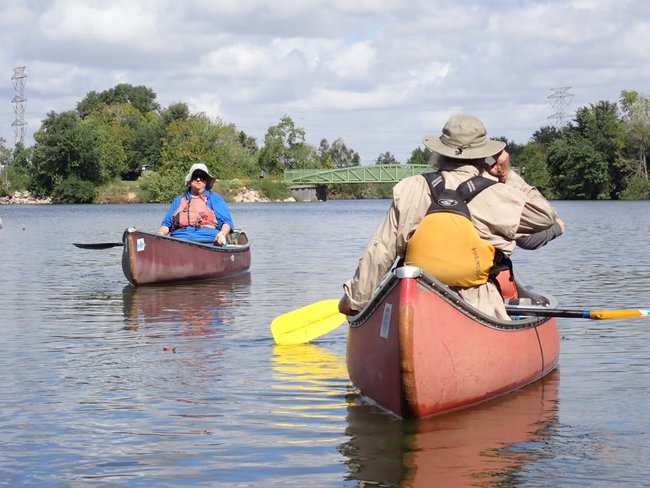
L2: Essentials of Canoe Touring
Level 2: Essentials of Canoe Touring Course Overview The Essentials of Canoe Touring course is designed to teach beginner paddlers to safely and enjoyably canoe on lakes and other calm protected flatwater settings. Skills Course Prerequisites Acknowledgment of personal compliance with the ACA Essential Eligibility Criteria (EEC) Level 1: Introduction to Canoeing Skills class or equivalent skills strongly suggested Course Duration The course duration should be adjusted to best fit the needs and goals of the participants. Suggested time: Half a day to one day (4-8 hours). Course Location / Accessible Venues Lakes or coastal waters with potential areas of exposure to mild wind and wave conditions, with constant access to safe landing and within 1.5 nm from shore: Winds less than 10 knots Waves less than 1 foot (0.3 meters) Current less than 1 knot Course Size Tandem: 6 participants : 1 Instructor; with an additional instructor, the ratio can be 12 : 2. The maximum number of participants permitted is 12. Solo: 5 participants : 1 Instructor; with an additional instructor, the ratio can be 10 : 2. The maximum number of participants permitted is 10. For additional details, see SEIC Policy Manual Chapter 6. Instructor This course may be offered by Level 2: Essentials of Canoe Touring (or higher) ACA Instructors, Instructor Trainers, or Instructor Trainer Educators. Succeeding Courses Level 3: Freestyle Canoeing The following is a general summary of course content for the Essentials of Canoe Touring course. The content covered and sequence of instruction should be adjusted to best fit the participant’s needs, class location and time allowance. Introduction, Expectations, and Logistics: Welcome, introductions, paperwork Student and Instructor course expectations and limitations Course itinerary and site logistics Review waiver, assumption of risk, challenge by choice, medical disclosure About the ACA Life jacket policy (always wear on water) Appropriate personal behavior No alcohol / substance abuse Proper etiquette on and off the water Respect private property Practice Leave No Trace ethics The Paddling Environment How to hold the paddle in correct orientation and grip for effective paddling Wind Waves Weather Water Personal Preparation Personal ability Swimming ability Water comfort and confidence Fitness, conditioning, and warm up Safe paddle and board handling Safety and rescue considerations Personal equipment (reviewed by Instructor) Equipment Life Jackets: types & sizing Canoes: types, materials, parts, including safety features Paddles: types, (straights, bents, etc), materials, parts, sizing, how to hold Personal equipment: water, food, shoes, hat, sunscreen, bug repellent, sun glasses, eyeglass straps, protective clothing for heat / cold Safety gear: sponge, bailer/pump, whistle, knife, light Equipment / outfitting for Touring: ie., drybag, maps, extra paddle Care of equipment Getting Started Warm up and stretching Canoe carries: overhead & suitcase Car topping: loading and unloading, racks, straps Launching and landing from shore or dock, parallel or perpendicular to Boarding, three points of contact, keep weight low, etc. Positions in the canoe, sitting, kneeling Posture, rocking and balance Canoe Trim Trip Planning – 6P's: Prior Proper Planning Prevents Poor Performance Federal, State, and Local laws & Regulations Leave No Trace; paddling etiquette Safety and Rescue: Exercising Judgment, Safety as a mind set, etc. Hypothermia, Cold Water Shock: HELP, HUDDLE, clothing Hyperthermia: hydration, clothing Hazards: wind, waves, weather, rocks Responsibility of Group, Individual, Rescuer, Victim Rescue sequence: RETHROG Rescue priorities: people, boats, gear Signals: Whistle, Paddle, Hand Evaluate water confidence and comfort Controlled capsize-deep water Swim a boat 25 feet to shore Empty a boat full of water at shore Canoe over canoe rescue (T Rescue) on quiet water Side by Side (parallel) rescue Re-entry: Self & Assisted, Heel Hook, Sling Towing a tired swimmer / canoe Paddling Concepts: Canoe physics: Pull the paddle, push the canoe; quick turns, steer from the rear Paddle Physics: vertical blade & shaft, not carried past body on a travel stroke Body Physics: torso rotation, shoulder injury, use large muscles Terminology: onside, offside Stroke parts: Catch, Propulsion, Recovery (CPR) Types of strokes: traveling & turning Tandems: paddle on opposite sides, in cadence, match power Switch sides for fatigue and steering Strokes and Maneuvers Using Bent & Straight Shaft Paddles: Strokes : Forward with switch, with bent paddles Forward, with J and C corrections Cross forward Back Draw: Abeam Bow Draw: dynamic, static Stern Draw Cross draw: abeam Cross Bow Draw: dynamic, static Pushaway: bow, stern Pry: bow, stern Sculling: drawing and prying Sweeps: Forward and Reverse Maneuvers Forward: straight 50 yards Stopping: (Forward, Reverse) 1 boat length Reverse: reasonably straight Spin: 360 degree pivot to onside, offside Stop Turns (quick 90 degree turn to a complete stop) Turn: turn in arc while underway Abeam: sideways both sides 20 FT without headway Sideslips: boat moves sideways with headway Conclusion and Wrap Up Trip planning, organization, and considerations for full day trip Course limitations Importance of First Aid & CPR Importance of additional instruction, practice, experience Importance of appropriate level of safety and rescue training Demo advanced maneuver Life sport / Paddling options Local paddling groups / Clubs Handouts / Reference materials ACA Membership forms © American Canoe Association Date of last revision: 12/8/2023 https://americancanoe.org This curriculum is managed by the ACA Canoeing Committee. To connect with the leadership of this committee, please view the SEIC Committee rosters on the ACA website. See skill course overview here: https://americancanoe.notion.site/Level-2-Essentials-of-Canoe-Touring-Skills-Course-fb5d5194de6f4ada962d9f6fe8c002c4?pvs=143
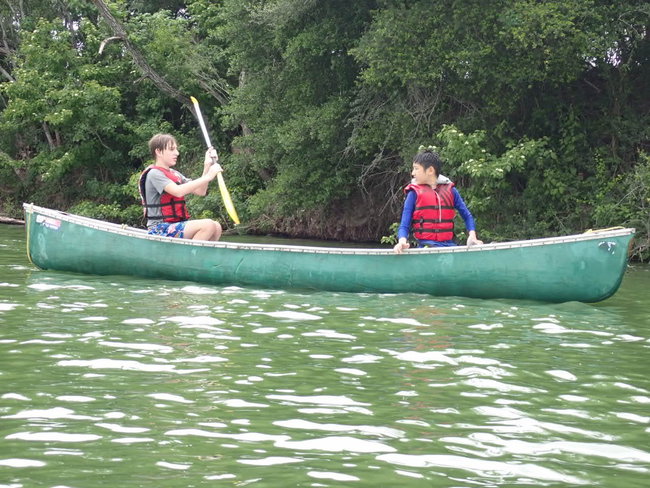
L2: Essentials of River Canoeing
Level 2: Essentials of River Canoeing Course Overview The Essentials of River Canoeing course is designed as an introduction to paddling rivers. Participants learn to catch large eddies and perform simple peel outs and ferries, recognize and avoid hazards, perform rescues and respond to emergencies on moving water rivers. This course is appropriate for all types of tandem and/or solo canoes. It can be taught tandem, solo, or both. If you’re a student who would like a resource to prepare for this course, ACA is pleased to provide a free online paddling safety course, here. A certificate of completion is included! Course Prerequisites Acknowledgment of personal compliance with the ACA Essential Eligibility Criteria (EEC) Agree to comply with the ACA Code of Conduct No prior paddling experience or training is required to participate in this course Course Duration The course duration should be adjusted to best fit the needs and goals of the participants. Suggested time: Half a day to one day (4-8 hours). Course Location / Accessible Venues Moving water on rivers rated up to and including class I. A rapid class includes rapids at the lower and upper ends of the difficulty range, designated “-“ and “+” respectively. Course Size Tandem: 6 participants : 1 Instructor; with an additional instructor or qualified assistant, the ratio can be 12 : 2. Solo: 5 participants : 1 Instructor; with an additional instructor or qualified assistant, the ratio can be 10 : 2. For additional details, see SEIC Policy Manual Chapter 6. Instructor This course may be offered by Level 2: Essentials of River Canoeing (or higher) ACA Instructors, Instructor Trainers, or Instructor Trainer Educators. Succeeding Courses Level 3: River Canoeing Level 4: Whitewater Canoeing Level 5: Advanced Whitewater Canoeing The following is a general summary of course content for the Essentials of River Canoeing course. The content covered and sequence of instruction should be adjusted to best fit the participant’s needs, class location and time allowance. Introduction, Expectations, and Logistics: Welcome, introductions, paperwork Student and Instructor course expectations and limitations Course itinerary and site logistics Review waiver, assumption of risk, challenge by choice, medical disclosure About the ACA Life jacket policy (always wear on water) Appropriate personal behavior No alcohol / substance abuse Proper etiquette on and off the water Respect private property Practice Leave No Trace ethics Paddling Environment: Wind Waves Weather Water Personal Preparation: Personal ability Swimming ability Water comfort & confidence Fitness, conditioning, and warm up Safe paddle and boat handling Safety and rescue considerations Personal equipment (reviewed by Instructor) Getting Started: Warm-up and stretching Personal clothing & equipment Car topping: loading and unloading, racks, straps Knots: figure 8 or bowline, trucker's hitch and 2 half hitches Canoe carries: overhead and suitcase Launching / landing from shore or dock Canoe trim Posture, rocking and balance Positions in the canoe (students may select sitting or kneeling stance) Concepts of Paddling Trip Planning - 6P’s: Prior Proper Planning Prevents Poor Performance Group Dynamics Judgment Federal, State and Local laws and regulations River etiquette Equipment: Canoe: types, parts, materials Paddle: types, parts, materials, sizing, hand position (straight and bent shafts) Lifejacket (PFD): types, materials, fit Safety equipment Group equipment Care of equipment Optional equipment & outfitting River Running: River Classifications Strategies in river running How to paddle in current Scouting (Boat / Shore) Portaging / Lining Use of good judgment Total awareness of environment Group organization on the river River Signals / Communication Emergency Procedures Safety & Rescue: Responsibility: Group; Individual, Rescuer; Victim Rescue Priorities: People, Boats & Gear Signals: Whistle, Paddle and Hand Group Management / Communication Cold Shock, Hypothermia, clothing Hyperthermia: hydration, clothing Launching and landing in a controlled and safe manner Evaluate water confidence and comfort Rescue Sequence: (RETHROG) Deep water exits: vaulting and slide, no diving Controlled capsize Swimming a boat to shore How to empty a boat full of water Canoe over Canoe rescue Side by Side (or parallel) rescue Re-entry Self & Assisted Heel Hook Rescue Sling Towing a swimmer/canoe Swimming in current: defensive & aggressive Throw rope use Basic Wading Dealing with Hazards: River features Currents Broaching (lean into obstacle) Pins and entrapments Strainers Hydraulics Undercut rocks/Ice Dams/Flow diversion structures Strokes: Forward Forward (w/ stern pry, rudder and J Stroke corrections) Back Sweeps (forward, reverse) Draw (performed with out of water and in water recovery) Bow Draw (Stationary/Dynamic) Cross Bow Draw (Stationary/Dynamic) Pry/Push Away Flat Water Maneuvers: Forward: Paddle in a straight line 15-20 boat lengths Reverse: Reasonably straight 3-4 boat lengths Stop: within 2 boat lengths from good speed Turn the canoe from a stationary position 180 to right and left Abeam: Sideways both sides 10 FT (3 meters) w/o headway Propel the canoe in a figure of 8 course around markers 3-4 boat lengths apart Turn the canoe while maintaining forward motion 90 to the right and left Turn: Turn in arc while underway with leans Switch positions in the canoe Moving Water River Maneuvers: Front ferries Eddy turns Peel-outs C-turns S-turns Conclusion and Wrap Up Group debrief / individual feedback Course limitations Importance of First Aid and CPR Importance of additional instruction, practice, and gaining experience Importance of appropriate level of safety and rescue training Life sport / paddling options Local paddling groups / clubs Handouts / reference materials Participation cards ACA membership benefits and join process © American Canoe Association Date of last revision: 12/8/2023 https://americancanoe.org This curriculum is managed by the ACA Canoeing Committee. To connect with the leadership of this committee, please view the SEIC Committee rosters on the ACA website. See skill course overview here: https://americancanoe.notion.site/Level-2-Essentials-of-River-Canoeing-Skills-Course-64c6e15dbcb247eb95e4bf3604e39649?pvs=143
L3: River Canoeing
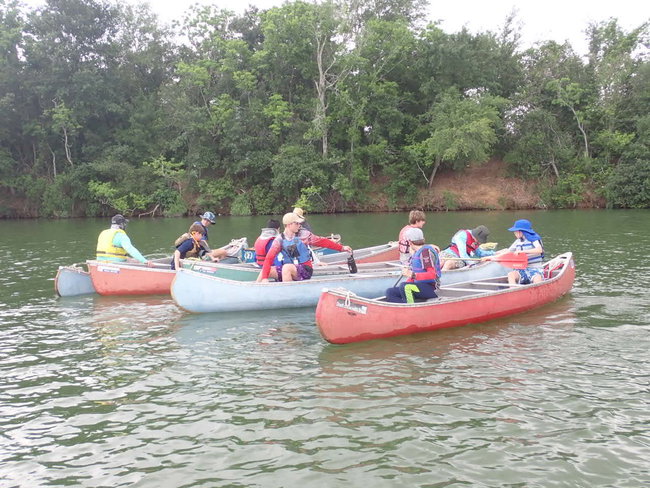
Level 3: River Canoeing Course Overview The River Canoeing course is for canoeists interested in learning the skills required to efficiently paddle on rivers with Class I rapids by catching smaller eddies, making sharp peel outs and effective ferries. Participants at this level aspire to attain a high level of canoeing skills, improve the quality of their strokes and maneuvers, and increase their river rescue knowledge. This course is appropriate for properly outfitted versatile or whitewater tandem and/or solo canoes. It can be taught tandem, solo, or both. Skills Course Prerequisites Acknowledgment of personal compliance with the ACA Essential Eligibility Criteria (EEC) The completion of an ACA Level 2: Essentials of River Canoeing course or equivalent skills. Be a current ACA member Course Duration The course duration should be adjusted to best fit the needs and goals of the participants. Suggested time: Half a day to one day (4-8 hours). Course Location / Accessible Venues Sections of rivers rated up to and including class I-II, where limited maneuvering in current is required to avoid obstacles. A rapid class includes rapids at the lower and upper ends of the difficulty range, designated “-“ and “+” respectively. Course Size Tandem: 6 participants : 1 Instructor; with an additional instructor or qualified assistant, the ratio can be 12 : 2. Solo: 5 participants : 1 Instructor; with an additional instructor or qualified assistant, the ratio can be 10 : 2. For additional details, see SEIC Policy Manual Chapter 6. Instructor This course may be offered by Level 3: River Canoeing (or higher) ACA Instructors, Instructor Trainers, or Instructor Trainer Educators. Succeeding Courses Level 4: Whitewater Canoeing Level 5: Advanced Whitewater Canoeing Canoe Rolling The following is a general summary of course content for the River Canoeing course. The content covered and sequence of instruction should be adjusted to best fit the participant’s needs, class location and time allowance. Introduction, Expectations, and Logistics: Welcome, introductions, paperwork Student and Instructor course expectations and limitations Course itinerary and site logistics Review waiver, assumption of risk, challenge by choice, medical disclosure About the ACA Life jacket policy (always wear on water) Appropriate personal behavior No alcohol / substance abuse Proper etiquette on and off the water Respect private property Practice Leave No Trace ethics Paddling Environment: Boat: parts, materials, sizing, outfitting Paddle: parts, materials, sizing, hand position (straight and bent shafts) How to hold the paddle in correct orientation and grip for effective paddling Life jacket: types, materials, fit Helmet types and use Wind Waves Weather Water Personal Preparation: Personal ability Swimming ability Water comfort & confidence Fitness, conditioning, and warm up Safe paddle and boat handling Safety and rescue considerations Personal equipment (reviewed by Instructor) Judgment. In addition to learning hard skills, the importance of developing personal judgment and group responsibility increases on more difficult paddling venues. Getting Started: Warm-up and stretching Personal clothing & equipment Car topping: loading and unloading, racks, straps Knots: figure 8 or bowline, trucker's hitch and 2 half hitches Canoe carries: overhead and suitcase Launching / landing from shore or dock Canoe trim Posture, rocking and balance Positions in the canoe (students may select sitting or kneeling stance) Concepts of Paddling Trip Planning - 6P’s: Prior Proper Planning Prevents Poor Performance Group Dynamics Judgment Federal, State and Local laws and regulations River etiquette Equipment: Canoe: types, parts, materials Paddle: types, parts, materials, sizing, hand position (straight and bent shafts) Lifejacket (PFD): types, materials, fit Helmets Safety equipment Group equipment Care of equipment Optional equipment & outfitting River Running: River Classifications Strategies in river running How to paddle in current Scouting (Boat / Shore) Portaging / Lining Use of good judgment Total awareness of environment Group organization on the river River Signals / Communication Emergency Procedures Safety & Rescue: Responsibility: Group; Individual, Rescuer; Victim Rescue Priorities: People, Boats & Gear Signals: Whistle, Paddle and Hand Group Management / Communication Cold Shock, Hypothermia, clothing Hyperthermia: hydration, clothing Launching and landing: low dock or bank to enter and exit safely Evaluate water confidence and comfort Rescue Sequence: (RETHROG) Deep water exits: vaulting and slide, no diving Controlled capsize Swimming a boat to shore How to empty a boat full of water Canoe over Canoe rescue Side by Side (or parallel) rescue Re-entry Self & Assisted Heel Hook Rescue Sling Towing a swimmer/canoe Swimming in current: defensive & aggressive Throw rope use Basic Wading Entrapments (Stabilization Line) Boat pin (Strong Arm, Rope/Vector) Dealing with Hazards: River features Currents Broaching (lean into obstacle) Pins and entrapments Strainers Holes / Hydraulics Undercut rocks/Sieves/Ice Dams/Flow diversion structures Flatwater Maneuvers Propel the canoe forward in a straight ine 15-20 boat lengths Move the canoe backwards 3-4 boat lengths Stop the boat within two boat lengths Turn the canoe from a stationary position 180° to the right and left Move the canoe sideways (abeam) 10 feet (3 meters) to each side Propel the canoe in a figure of 8 course around markers 3-4 boat lengths apart Turn the canoe while maintaining forward motion 90° to the right and left Switch positions in the canoe Sideslips (shifts): Onside & Offside Carving Circle: (Onside & Offside) River Maneuvers: (In venue)(Solo includes traditional and 2 X 4 methods) Front ferries Eddy turns Peel-outs C-turns S-turns Back ferries Sideslips (shifts) Spins: onside and offside Bracing: low and high Portage and lining Attainments Strokes: Forward / Cross Forward (w/rotation) Forward (w/ stern pry, rudder and J stroke corrections) Back (stern far back and compound back, solo & bow reverse J) Sweeps (forward, reverse) Draws (onside/offside) static/dynamic/sculling (out of water and in water recovery) Prys (static/dynamic, righting) Braces (low, high) Duffek (onside/offside) Conclusion and Wrap Up Group debrief / Individual feedback Course limitations Importance of First Aid & CPR Importance of additional instruction, practice, experience Importance of appropriate level of safety & rescue training Demo advanced maneuver Life sport / Paddling options Local paddling groups / Clubs Handouts / Reference materials ACA Membership forms Course evaluation Participation cards © American Canoe Association Date of last revision: 12/8/2023 https://americancanoe.org This curriculum is managed by the ACA Canoeing Committee. To connect with the leadership of this committee, please view the SEIC Committee rosters on the ACA website. See skill course overview here: https://americancanoe.notion.site/Level-3-River-Canoeing-Skills-Course-5192cb131f8d4c38b7f9470bf8caf216?pvs=143
River Canoe Day Trip Leading
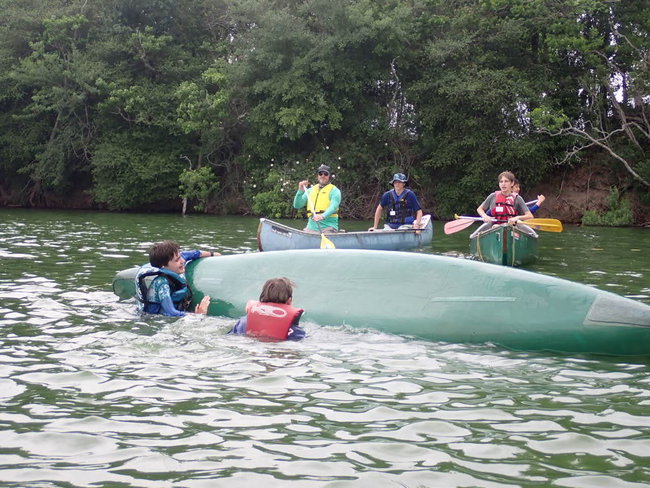
River Canoe Trip Leading Course Overview The River Canoe Day Trip Leading course is designed to introduce the minimum skills necessary for an individual to lead a day trip on moving water. This course is appropriate for all types of tandem and/or solo canoes. It can be taught tandem, solo, or both. If you’re a student who would like a resource to prepare for this course, ACA is pleased to provide a free online paddling safety course, here. A certificate of completion is included! Course Prerequisites Acknowledgment of personal compliance with the ACA Essential Eligibility Criteria (EEC) Agree to comply with the ACA Code of Conduct No prior paddling experience or training is required to participate in this course Course Duration The course duration should be adjusted to best fit the needs and goals of the participants. Two days (16 hours) or more. Course Location / Accessible Venues Easy moving water up to and including class I-II rapids A rapid class includes rapids at the lower and upper ends of the difficulty range, designated “-“ and “+” respectively. Course Size 5 Participants : 1 Instructor; with an additional qualified assistant, the ratio can be 10 : 2. For additional details, see SEIC Policy Manual Chapter 7. Instructor This course may be offered by: Level 4: Whitewater Canoeing (or higher) Instructor Level 3: River Canoeing Instructors with the River Canoe Trip Leading Endorsement All Instructors must operate within the venue corresponding to their level of certification. Succeeding Courses River Canoe Day Trip Leading Assessment Level 3: River Canoeing Level 4: Whitewater Canoeing Level 5: Advanced Whitewater Canoeing The following is a general summary of course content for the River Canoe Day Trip Leading course. The content covered and sequence of instruction should be adjusted to best fit the participant’s needs, class location and time allowance. Introduction, Expectations, and Logistics: Welcome, introductions, paperwork Student and Instructor course expectations and limitations Course itinerary and site logistics Review waiver, assumption of risk, challenge by choice, medical disclosure About the ACA Life jacket policy (always wear on water) Appropriate personal behavior No alcohol / substance abuse Proper etiquette on and off the water Respect private property Practice Leave No Trace ethics The Paddling Environment 4 W’s: Wind, Waves, Weather, Water River Classifications Personal Preparation Personal ability Swimming ability Water comfort & confidence Fitness, conditioning, and warm up Safe paddle and boat handling Safety and rescue considerations Personal equipment (reviewed by Instructor) Getting Started Warm up and stretching Personal clothing & equipment Loading and unloading: racks, trailers: straps, ropes Knots: figure 8 or bowline, trucker's hitch and 2 half hitches Canoe carries: overhead and suitcase Launching / landing from shore or dock Canoe trim Posture, rocking and balance Positions in the canoe (students may select sitting or kneeling stance) Canoe terminology & nomenclature Concepts of Paddling Trip Planning - 6P’s: Prior Proper Planning Prevents Poor Performance Group Dynamics Judgment Local regulations River etiquette Equipment Personal Lifejacket (PFD) Correct type Right size Proper fit Paddle Water proof containers Appropriate clothing Personal items Items not to bring Group First Aid kit Repair kit Rescue equipment Throw ropes Spare paddles Shelter Fire making kit Water purification Sanitation equipment Boat Bailer, painter, yoke, extra flotation Additional Equipment Trip Leader Characteristics Skills • Competent canoeist • Good communication skills • Appropriate safety training • Use of good judgment • Total awareness of environment Qualities • Mature decision maker • Considers group safety over the wants of an individual • Makes safety decisions, including trip cancellation • Applies appropriate discipline • Takes final responsibility Knowledge Group organization Buddy boats Lead / Sweep Boat Communication systems Signals: Whistle, Paddle, Hand Radios Cellular phone Venue Emergency procedures Proper etiquette on & off the water Leave no Trace ethics Trip Preparation and Planning Leader/participant ratio guidelines 1:10, with a qualified assistant Additional factors may warrant additional leaders (conditions or participant skill level) Appropriate venue selection Accurately assessing the group’s skill level Acquire information on venue Develop a Float Plan Driving Directions Put-in & Take-out locations Schedule with approximate times Procedures if trip returns past scheduled time Roster Trip Leaders Participants Contact phone numbers Emergency contact numbers Emergency Contact Information Designated group contact person Local rescue agency Appropriate governmental agency Contingency plans for: Weather Change in water levels Medical problems Equipment issues Evacuation routes Documentation River Permits Parking Permits Landowner permission Waivers, medical disclosures, parental permission Develop a planning & training schedule (if appropriate) Determine methods of skill verification: Canoeing ability Swimming ability Determine: Trip rules Acceptable behavior Disciplinary consequences Discuss personal & group equipment Obtain: waivers, medical disclosures, parental permission Organize transportation & shuttles Trip Hazards and Prevention of Accidents Environmental hazards Air temperature Water temperature Cold Shock / Hypothermia / Hyperthermia River Hydrology and dynamics River Features Flow volume Gradient/elevation changes Flow rates and current Currents Rocks (upstream and downstream Vs) Ledges and low head dams (horizon lines) Pins and entrapment Strainers/sieves Bends Undercut rocks or ice Dams/flow diversion structures and pipelines River features Eddies Waves Holes and hydraulics Downstream Vs Prevention of accidents Proper planning and pre-trip hazard identification Put-in safety briefing Constant reassessment of venue conditions Scouting Portaging and lining The Put-in Talk Communication Review Float Plan Signals: Whistle, Paddle and Hand Group Organization Paddling Partner Buddy Boat Lead/Sweep Boats Group Equipment Safety / Emergency Check Lifejacket(PFD) for size & fit Weather & water temperatures Swimming in current: defensive & aggressive Capsize Boat pin Etiquette Review of Paddling Skills (moving water): Strokes Tandem (Bow) Forward Back Draw Bow Draw Cross Bow Draw Push Away Pry Sweeps: Forward / Reverse Tandem (Stern) Forward Back Draw Stern Draw Push Away Pry Sweeps: Forward / Reverse Forward w/Rudder Forward w/Stern Pry Forward w/J Stroke Solo Forward Back Draw Bow Draw Cross bow draw Stern Draw Push Away Pry Stern Pry Sweeps: Forward / Reverse Forward w/Rudder Forward w/Stern Pry Forward w/J Stroke Maneuvers in course venue Forward in a straight line Reverse: Stop & reverse reasonably straight backwards Spin: Pivot the canoe – onside & offside Abeams: Move sideways without headway Turn: Turn in arc while underway Front ferries Eddy turns Peel-outs River Running Strategies in river running Upstream & downstream Vs Bends Use of eddies How to paddle in current Scouting (Boat / Shore) Use of good judgment Total awareness of environment Group organization on the river River Signals / Communication Emergency Procedures Safety and Rescue Responsibilities of the group, rescuer, swimmers Rescue Priorities: people, boat, paddle, gear Signals: Whistle, Paddle and Hand Group Management / Communication Cold Shock, Hypothermia: HELP/HUDDLE, clothing Hyperthermia: hydration, clothing Evaluate water confidence and comfort Rescue Sequence: (RETHROG) Deep water exits: vaulting and slide, no diving Controlled capsize Swimming a boat to shore How to empty a boat full of water Canoe over Canoe rescue Side by Side (or parallel) rescue Re-entry Self & Assisted Heel Hook Rescue Sling Towing a swimmer/canoe Bumping a canoe Swimming in current: defensive & aggressive Throw rope use Basic wading Boat pin (Strong Arm, Rope/Vector) Conclusion and Wrap Up Group debrief / individual feedback Course limitations Importance of First Aid and CPR Importance of additional instruction, practice, and gaining experience Importance of appropriate level of safety and rescue training Life sport / paddling options Local paddling groups / clubs Handouts / reference materials Participation cards ACA membership benefits and join process © American Canoe Association Date of last revision: 12/8/2023 https://americancanoe.org This curriculum is managed by the ACA Canoeing Committee. To connect with the leadership of this committee, please view the SEIC Committee rosters on the ACA website. See skill course overview here: https://americancanoe.notion.site/River-Canoe-Trip-Leading-Skills-Course-736630281412451f90b20b181335c641?pvs=143
River Canoe Camping Skills
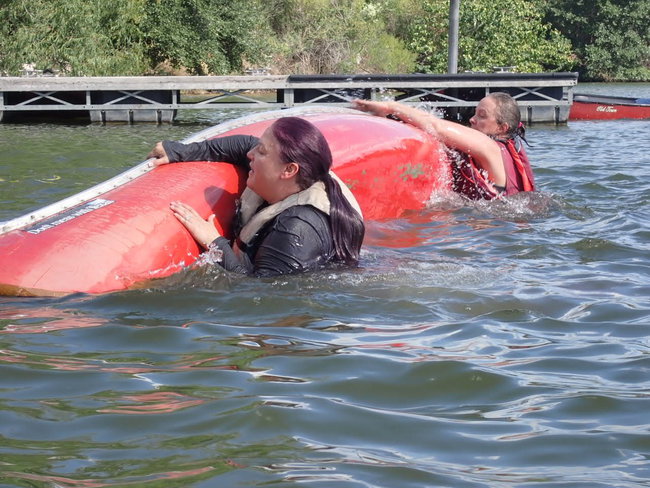
River Canoe Camping Skills Skills Course Overview The River Canoeing Camping Course is designed to be delivered by (L2 through L4) Instructors who have completed Camping Endorsement. The Course can be delivered as a separate course or in conjunction with another skills course. Participants learn the basic skills required to plan and prepare short overnight trips on rivers and near shore lakes. Learn to catch eddies, perform peel outs, ferries and perform rescues in canoes loaded with camping gear. The participants will learn about proper equipment and how it is used, how to select a camp location, food transportation and preparation, and to follow leave no trace procedures throughout the trip. This course requires the appropriate equipment, tandem and/or solo canoes for the course venue. Skills Course Prerequisites Acknowledgment of personal compliance with the ACA Essential Eligibility Criteria (EEC) Previously completed the appropriate River Canoeing Discipline skills course and/or demonstration of equivalent skills. Course Duration One or more days (8+ hours) Course Location / Accessible Venues Not to exceed Instructors level of certification Course Size Tandem: 6 Students : 1 Instructor; with an additional instructor or qualified assistant the ratio can be 12 : 2 Solo: 5 Students : 1 Instructor; with an additional instructor or qualified assistant the ratio can be 10 : 2 Succeeding Courses: Level 3: River Canoeing Level 4: Whitewater Canoeing Courses Content: The following is a general summary of course content for the River Canoe Camping Course . The content covered and sequence of instruction should be adjusted to best fit the participant’s needs, class location and time allowance. Introduction, Expectations & Logistics: Introduction, Expectations, and Logistics: Welcome, introductions, paperwork Student and Instructor course expectations and limitations Course itinerary and site logistics Review waiver, assumption of risk, challenge by choice, medical disclosure About the ACA Life jacket policy (always wear on water) Appropriate personal behavior No alcohol / substance abuse Proper etiquette on and off the water Respect private property Practice Leave No Trace ethics The Paddling Environment: Wind Waves Weather Water Personal Preparation: Personal ability Swimming ability Water comfort & confidence Fitness, conditioning, and warm up Safe paddle and boat handling Safety and rescue considerations Personal equipment (reviewed by Instructor) Canoe Camping and Touring What is canoe camping? What is touring? Advantages and disadvantages of traveling by canoe The Paddling Environment: 4 W’s: Wind, Waves, Weather, Water River Classifications Trip planning and leadership Selecting appropriate locations, route, and equipment , shuttling, assessing group and individual paddling capabilities, lead and sweep concept leader’s responsibilities, permits, use fees, reservations, registered guides or licensed trip leaders and other state requirements Equipment: Canoe: types, parts, materials Paddle: types, parts, materials, sizing, hand position (straight and bent shafts) Gear: portage packs, dry bags, gear bags Camping Gear: -tarps, tent, sleeping gear, stove, cooking and food prep items, Illumination, sunscreen, insect repellent, tools, repair kit, water filter Lifejacket (PFD): types, materials, fit Safety equipment: First aid kit, painters, tow rope, throw bag Optional equipment & outfitting Wilderness repairs and maintenance Boat, paddle, tent, other essential equipment (tools, wire, duct tape, etc.) Loading and trimming Packing packs and gear bags Securing gear, balancing Trim: (upwind, downwind, upstream, downstream) Getting Started: Warm up and stretching Personal clothing & equipment Canoe carries: overhead and suitcase Launching / landing from shore or dock River Running: River etiquette Strategies in river running How to paddle canoe in current Scouting (Boat / Shore) Use of good judgment Total awareness of environment Group organization on the river River Signals / Communication Emergency Procedures Paddling on large bodies of water: Group management Paddling in wind and waves Weather considerations: lightning, strong winds, rain, severe weather, weather interpretation Improvising a sail Switch positions in the canoe Safety & Rescue: Responsibility: Group; Individual, Rescuer; Victim Rescue Priorities: People, Boats & Gear Signals: Whistle, Paddle and Hand Group Management / Communication Cold Shock, Hypothermia: HELP/HUDDLE, clothing Hyperthermia: hydration, clothing Rescue Sequence: (RETHROG) Deep water exits: vaulting and slide, no diving Controlled capsize Swimming a boat to shore How to empty a loaded boat full of water Canoe over Canoe rescue Side by Side (or parallel) rescue Re-entry Self & Assisted Heel Hook Rescue Sling Towing a swimmer/canoe Swimming in current: defensive & aggressive Throw rope use Dealing with Hazards: River features Currents Broaching (lean into obstacle) Pins and entrapments Strainers Hydraulics Undercut rocks/Ice Dams/Flow diversion structures Portage Lining River Maneuvers: Ferries Eddy Turns Peel-Outs C-Turns S-Turns Map and compass use: Map reading Compass Basic Navigation Making Camp: Selecting a campsite, tent pitching, tarp rigging Stove use, fire pans, fire building, wood gathering Waste disposal Wilderness food storage, and water purification Menu Planning, Packing, and Preparation Environmental concerns and practices Pack in, pack out, waste disposal, local practices/expectations, LNT concepts Conclusion and Wrap Up Group debrief / Individual feedback Course limitations Importance of first aid and CPR Importance of additional instruction, practice, experience Importance of appropriate level of safety and rescue training Demonstrate advanced maneuvers Life sport / paddling options Local paddling groups / clubs Handouts / reference materials ACA membership forms Course evaluation Participation cards © American Canoe Association Date of last revision: 12/8/2023 https://americancanoe.org This curriculum is managed by the ACA Canoeing Committee. To connect with the leadership of this committee, please view the SEIC Committee rosters on the ACA website. See skill course overview here: https://americancanoe.notion.site/River-Canoe-Camping-Skills-Course-8614313b209a4ee69006311063e87fc6?pvs=143
Flatwater Canoe Safety and Rescue
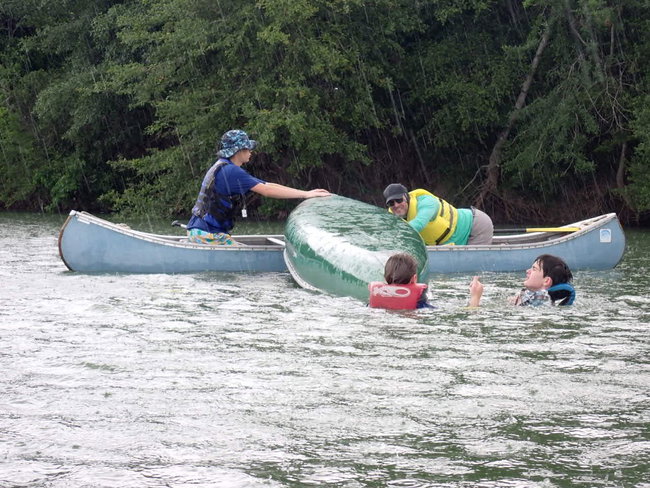
Flatwater Canoeing Safety & Rescue Course Overview The Flatwater Canoe Safety and Rescue workshop introduces flat water safety practices and rescue techniques that can be performed with a minimum of equipment, in the first few minutes of an emergency. If you’re a student who would like a resource to prepare for this course, ACA is pleased to provide a free online paddling safety course, here. A certificate of completion is included! Course Objectives Understand that prevention is the key to a safe trip Understand how to avoid potential dangers Develop and practice key self-rescue skills Learn to focus on fast, simple, low-risk rescue techniques Develop the skills to manage minor in-water incidents Minimum Personal Equipment for the Course Appropriately fitted life jacket designed for paddling, protective clothing suitable for extended time in the water, appropriate footwear, boat, paddle, and whistle. All types of canoes may be used, at the instructor’s discretion. Course Prerequisites Acknowledgment of personal compliance with the ACA Essential Eligibility Criteria (EEC) Agree to comply with the ACA Code of Conduct No prior paddling experience or training is required to participate in this course Course Duration The course duration should be adjusted to best fit the needs and goals of the participants. Suggested time: Half a day to one day (4-8 hours). Course Location / Accessible Venues Flat water with easy access and sufficient depth for safe wet exits by beginners. Protected space is needed for on-land work, with adequate shelter for inclement weather. This class should be held within ¼ mile of shore. Course Size Tandem: 6 participants : 1 Instructor; with an additional instructor, the ratio can be 12 : 2. Solo: 5 participants : 1 Instructor; with an additional instructor, the ratio can be 10 : 2. Instructor This course may be offered by Level 2: Essentials of River Canoeing or Level 2: Essentials of Canoe Touring (or higher) ACA Instructors, Instructor Trainers, or Instructor Trainer Educators. Course Outline The following is a general summary of course content for the Flatwater Canoe Safety and Rescue course. The content covered and sequence of instruction should be adjusted to best fit the participant’s needs, class location and time allowance. Introduction, Expectations, and Logistics Introduction, Expectations, and Logistics: Welcome, introductions, paperwork Student and Instructor course expectations and limitations Course itinerary and site logistics Review waiver, assumption of risk, challenge by choice, medical disclosure About the ACA Life jacket policy (always wear on water) Appropriate personal behavior No alcohol / substance abuse Proper etiquette on and off the water Respect private property Practice Leave No Trace ethics Paddling Environment Wind Waves Weather Water Personal Preparation Personal ability Swimming ability Water comfort & confidence Fitness, conditioning, and warm up Safe paddle and boat handling Safety and rescue considerations Personal equipment (reviewed by Instructor) Introduction to Basic Safety & Rescue Avoiding trouble and hazards Trip planning, competent leader Rescue philosophy The big 3 – near drowning, hypothermia and spinal management; need for further training RETHROG KISS Rescue organization Reality of injuries and death Communications and Signaling Hand, paddle, and whistle signals Cell phone and radios when appropriate Equipment Makes your trip safer and more comfortable Clothing Canoe with appropriate flotation Paddle bailer and or pump PFD Knife and whistle First aid kit VHF radio and/or cell phone Dry bag that can be secured Swimming Skills Basis for self-rescue; fundamental personal safety skill Wet exits on-land practice, then in-water with one-on-one supervision Defensive swimming Aggressive swimming Swimming with boat Assisted Rescues and Tows Allows one boater to assist another; fundamental group safety skills T rescue with and without sling Side by side curl rescue Contact tow and tow line use Rope Handling Skills Selecting a tow line Handling tows in wind and current Throw rope use Rescue of Loose Boats and Gear Self rescue - Hold onto boat and paddle when appropriate. Group rescue: Rescue priorities: People, Boats then Gear Boat over boat rescues Towing – short line and short distance Conclusion and Wrap Up Group debrief / individual feedback Course limitations Importance of First Aid and CPR Importance of additional instruction, practice, and gaining experience Importance of appropriate level of safety and rescue training Life sport / paddling options Local paddling groups / clubs Handouts / reference materials Participation cards ACA membership benefits and join process © American Canoe Association Date of last revision: 10/28/2025 https://americancanoe.org This curriculum is managed by the ACA Introduction to Paddling (IPC) Committee. To connect with the leadership of this committee, please view the SEIC Committee rosters on the ACA website. See skill course overview here: https://americancanoe.notion.site/Flatwater-Canoeing-Safety-Rescue-Skills-Course-73698f9602c54984af484c8f6aebccaa?pvs=143