Kayak
Coastal Kayak Camping
work in progress.......
Coastal Kayak Trip Leader
Level 3: Coastal Kayak Trip Leader Assessment Course Assessment Course Overview This ACA Assessment Course is designed to evaluate your ability to perform all of the skills listed and demonstrate an appropriate level of paddling knowledge. This assessment course provides the opportunity for you to receive documentation of having achieved this level of paddling ability. For successful completion of the Level 3: Coastal Kayak Trip Leader assessment, an individual must demonstrate technical proficiency, trip planning, group management and leadership skills in the published course venue. While this is not a teaching award, candidates awarded this credential must be able to provide basic tips to paddlers, as appropriate, to help them through the environment and overall experience. The purpose of the Level 3: Coastal Kayak Trip Leader (Level 3: CKTL) program is an assessment process for individuals who intend to lead other paddlers, either recreationally or professionally, in protected waterways. The emphasis of the Trip Leader program is leadership. Successful completion of this assessment will provide evidence of the candidate’s technical skills and confirm their knowledge, understanding, and ability to plan and implement trips, for a wide variety of abilities, in environments up to and including the published course venue/conditions. Assessment Course Prerequisites Acknowledgment of personal compliance with the ACA Essential Eligibility Criteria (EEC) Be a current ACA Member Completion of the Level 3: Coastal Kayak Touring Trip Leader Skills Course Course Duration Two days (16 hours) or more. Course Location / Accessible Venues Lakes or coastal waters with potential areas of exposure to mild wind and wave conditions, with constant access to safe landing and within 1.5 nm from shore: 10 - 15 knot winds 1 - 2 foot waves (chop) (0.3 – 0.6 meters) 1 - 2 foot surf (0.3 – 0.6 meters) 1 - 2 knots of current 课程规模 5名学员:1名教练培训师;若增加一名合格的助理,比例可调整为10:2。学员人数上限为10人。 更多详情,请参阅《SEIC政策手册》第7章。 Assessor This assessment course may be offered by: Level 3: Coastal Kayaking Instructor Trainer (or higher), or Level 4: Coastal Kayaking Instructor with the L3: Coastal Kayaking Trip Leader (CKTL) Endorsement, or Level 5: Advanced Open Water Coastal Kayaking Instructor Succeeding Courses Level 4: Open Water Coastal Kayaking Skills, Assessment, Trip Leader, or Certification Course Course Outline Equipment Participants shall possess all the equipment appropriate for a trip leader in Level 3: CKTL conditions, and demonstrate the judgement to carry equipment that is appropriate and responsive to various venues, climates, trip durations, and group characteristics. Participants’ gear selections shall cover the following categories: Kayak (single sit-on-top or sit-inside, or tandem sit-on-top or sit-inside with fixed flotation sufficient to allow deep-water self-rescue) and personal equipment appropriate for kayak touring. Neither sit-on-top or tandems are required for the assessment. However, if sit-on-top kayaks are used, at least some of the kayaks in the course must be sit-inside to allow demonstration skills and knowledge of both types of boats; and, if tandem kayaks are used, at least some of the kayaks in the course must be singles to allow demonstration of skills and knowledge in both types of boats. Safety and emergency Signaling and communications First aid and equipment repair kits Navigation Participants shall be able to explain why they selected/omitted certain items, for a particular venue. Participants may borrow equipment for assessment. Skills The following list of criteria are to be used in the assessment of Level 3: CKTL participants. The time spent on each skill and the sequence of evaluation should be adjusted to fit the participant’s needs, class location, and time allowance with an emphasis on the application of each skill in a leadership context. Maneuvering: Participants shall demonstrate safe, effective and efficient maneuvering in Level 3: CKTL conditions. The focus of the assessment will be on desired results rather than on specific technique. The skills shall include: Forward and reverse paddling Turning with forward and reverse momentum Static turns and 360° rotation with forward and reverse strokes Sideways movement – static and with forward momentum Preventing capsize with braces and sculling for support Note: The assessment context shall include maneuvering for towing, quickly attaining the bow of a capsized boat, paddling on edge to maintain directional stability, using support strokes to prevent capsize, reverse paddling to assist in rescue rather than turning, or similar practical applications of personal skills. Rescues and Tows: Participants shall be able to perform a variety of assisted rescues and self-rescues, as well as tows, in Level 3: CKTL conditions, to include: For sit inside kayaks, the following skills: T-rescue Scoop rescue Roll If sit-on-top kayaks are available, the following optional skills: Side by side with stabilization assisted rescue Cross kayak PFD grab assisted rescue For both sit inside and sit-on-top kayaks, the following skills: Unresponsive paddler, e.g. Hand-of-God Stirrup rescue Efficient self-rescue from a swimming start Swimmer carries (bow, stern, and back deck) Contact tow (forward and reverse) Tow – single boat and multiple boat inline Rafted tow The assessor shall evaluate the participant’s situational awareness and ability to maintain group control during the performance of rescues and towing exercises. A variety of touring, sit-on-top and tandem kayaks may be used at the assessor’s discretion. Technical: Participants shall demonstrate the following technical skills: Navigation – Participants shall demonstrate a knowledge of chart symbols, distance measurement, bearings, variation and transits. While on the water, participants shall be able to determine a position using bearings and/or transits, navigate using shoreline features, buoys and other visible references, and maintain a course using a compass heading, transits and time. Basic boat repair – Participants shall demonstrate basic field repair/management of either a small hole, compromised/missing hatch cover or a damaged skeg/rudder. At the assessor’s discretion, the repair may occur on the water. Leadership Leadership ability shall be assessed during a journey where each candidate is given the opportunity to make appropriate decisions, cognizant of conditions and the current performance capability of the group. Individual legs shall be debriefed to assess an understanding of leadership principles and to reveal the participant’s decision-making process. Participants shall show leadership appropriate to the circumstances, the risk at hand, the individuals being led, and the environmental challenges encountered. Group abilities – Participants shall demonstrate the ability to assess individual and group performance capabilities (e.g. skills, experience, judgement, fitness, boats and equipment) and set goals appropriately. Environmental awareness – Participants shall demonstrate the ability to assess conditions based on weather forecasts, observed wind, tidal current and sea state. Participants shall also identify protected areas, potential hazards, early exit options, remoteness and rescue resources. Based on these observations, participants shall plan an appropriate journey and adapt their plan as conditions change. Group awareness – Participants shall demonstrate group awareness throughout a trip to include assessing a group’s energy levels, hydration, confidence in conditions and readiness for upcoming challenges, and adjust their trip plans accordingly. Group management – Participants shall demonstrate group management and control appropriate to the conditions, environment and group readiness (e.g. spacing, pacing, formation and supporting roles) to include setting clear parameters and establishing emergency procedures. Risk assessment, incident avoidance and management – Participants shall demonstrate ongoing risk assessment relative to the readiness of the group, implement proactive strategies to avoid potential incidents, and manage incidents effectively if they do occur. Communication – Participants shall demonstrate the use of effective and ongoing communication to manage the group, share plans, assess paddlers, adapt to environmental limitations (e.g. wind or swell) and proactively prepare for potential emergencies. Positioning – Participants are expected to use various positions as appropriate to the situation, environment and potential consequences. Leader positioning shall reflect an awareness of potential hazards, the need to maintain a line of sight, and preparedness to manage potential rescues/incidents. Launching and landing – Participants must demonstrate proficiency launching and landing themselves and a group in Level 3: CKTL conditions, including planning, communication and positioning to maintain group control Knowledge The topics and concepts below provide a framework of knowledge necessary for trip planning, implementation, and leadership. All will be covered and assessed in the context of the Level 3: CKTL environment and conditions. A candidate’s knowledge can be assessed using a variety of methods which may include observation, self-assessment, feedback, written assessment, questioning, and pre-assigned and/or ad hoc presentations. Weather – Participants shall be familiar with the terminology typically found in marine forecasts and know multiple means of accessing appropriate forecasts. Participants shall possess basic field forecasting skills, such as recognition of cumulonimbus clouds and the factors that can produce fog. Tides and currents – Participants shall be familiar with tidal terms, timing, forecasts and rules for determining tide height, current speed and drift. Conditions – Participants shall be familiar with the terminology found in surf and sea state forecasts, know multiple sources for obtaining forecasts, know the upper limits of the Level 3: CKTL environment, and understand the importance of keeping their trips within those parameters. Trip planning – As a tabletop exercise, participants shall prepare a trip plan that demonstrates an understanding of chart data, simple course plots, weather, tides, currents, and group abilities. Communication and signaling – Participants shall demonstrate knowledge of communication and signaling tools and their appropriate use, including VHF radios, emergency signals, paddle and hand signals. Rules of the road – Participants shall understand the hazards posed by other boat traffic, know USCG night lighting requirements and basic rules of the road as they pertain to kayakers. Leave No Trace (LNT) skills and ethics – Participants shall have a general understanding of LNT best practices and follow LNT principles and practices at all times. Prevention and management of hypothermia and hyperthermia – Participants shall have knowledge of symptoms, prevention, and management of hypothermia and hyperthermia. Assessment Criteria Checklist Participant Name: ________________________________ Participant ACA Membership #: __________________ Course Venue: _____________________________________ Course Date(s): ____________________________________ Y = Meets Standard, N = Below Standard, DNO = Did Not Observe The participant must be able to perform all strokes, maneuvers, rescues, and skills in the appropriate setting. Additionally, the participant must demonstrate the appropriate level of knowledge for this skill assessment level. Maneuvers Pass? P/N/DNO Forward and reverse paddling Turning with forward and reverse momentum Static turns and 360° rotation with forward and reverse strokes Sideways movement— static and with forward momentum Preventing capsize with braces and sculling for support Comment Rescues and Tows Pass? P/N/DNO T-rescue Scoop rescue Roll—demonstrate ability to roll within 3 consecutive attempts Side by side with stabilization assisted rescue (if using sit-on-top) Cross kayak PFD grab (if sit-on-top) Unresponsive paddler, e.g. Hand-ofGod Stirrup rescue Efficient self-rescue from swimming start Swimmer carries (bow, stern and back deck) Contact tow (forward and reverse) Tow—single boat and multiple boat inline Rafted tow Comment Technical Pass? P/N/DNO Navigation Boat repair Comment Leadership Pass? P/N/DNO Group abilities Environmental awareness Group awareness Group management Risk assessment, incident avoidance, and management Communications Positioning Launching and landing Comment Knowledge Pass? P/N/DNO Weather Tides and currents Conditions Trip Planning Communication and signaling Nautical rules of the road Leave No Trace skills and ethics Prevention and management of hypothermia and hyperthermia Comment Final Assessment Meets Standard or Needs More Work (circle one) Assessor Name: Assessor Signature: Assessor ACA Number: Course Conclusion Date: Comments: © American Canoe Association Date of last revision: 5/1/2024 https://americancanoe.org This curriculum is managed by the ACA Coastal Kayaking Committee. To connect with the leadership of this committee, please view the SEIC Committee rosters on the ACA website. See skill course overview here: https://americancanoe.notion.site/Level-3-Coastal-Kayak-Trip-Leader-Assessment-Course-a43845afc0334a32b6d22cb19391550e?pvs=143
Coastal Kayak Navigation
Coastal Kayak Navigation Skills Course Course Overview The purpose of this sample skills course is to provide guidance regarding appropriate navigational knowledge to impart, and navigational skills to develop, for various venues. ******This document is not intended to be prescriptive, but rather to serve as a reference/framework for consideration. Each instructor will determine which knowledge and skills are appropriate to teach, for the specific students, and the target venue in which they will be operating. Note that each of these suggested groupings is cumulative and builds upon the previous venue (e.g., Level 2 Knowledge and Skills is a foundation for Level 3 Knowledge and Skills). Course Prerequisites Acknowledgment of personal compliance with the ACA Essential Eligibility Criteria (EEC) Agree to comply with the ACA Code of Conduct No prior paddling experience or training is required to participate in this course Course Duration The course duration should be adjusted to best fit the needs and goals of the participants. For example, this course could be taught as an all-day course, a multi-day course, or “in chunks,” with the content incorporated into other course modules or topics. Course Location / Accessible Venues The course must be limited to venues within the certification scope of the instructor (e.g., a Level 3: Coastal Kayaking Instructor could teach any navigation topics – but must not exceed Level 3 conditions when on the water). Course Size 5 Participants : 1 Instructor; with an additional qualified assistant, the ratio can be 10 : 2. For additional details, see SEIC Policy Manual Chapter 7. Instructor This course may be offered by ACA Level 2-5: Coastal Kayaking ACA Instructors, Instructor Trainers, or Instructor Trainer Educators. Course Outline The following is a general summary of content for this course. The content and sequence of instruction should be adjusted to best fit the participant’s needs, class location and time allowance. Introduction, Expectations, and Logistics Introduction, Expectations, and Logistics: Welcome, introductions, paperwork Student and Instructor course expectations and limitations Course itinerary and site logistics Review waiver, assumption of risk, challenge by choice, medical disclosure About the ACA Life jacket policy (always wear on water) Appropriate personal behavior No alcohol / substance abuse Proper etiquette on and off the water Respect private property Practice Leave No Trace ethics Level 1 Navigation Knowledge Stay out of the way of all other vessels Underway skills Stay out of the way of all other vessels Level 2 Navigation Knowledge Direction: True vs. Magnetic North. Should use Magnetic (not True) on a kayak. Charts: Identify magnetic north on the chart (or map) of the area. Identify lateral buoys and day marks (red and green) and understand significance (e.g., boating and shipping channels). Identify lights/lighthouses from chart. Measure distance (distance scale and/or minutes of latitude). Read depth from the chart. Tides: What it is (vertical movement of water), Why it is important (not get stranded, boat does not float away at lunch, etc.), Sources to predict tides. Current: What it is (horizontal movement of water), Why it is important (will make trip shorter or longer, impacts how rough the water is etc.), Sources to predict. Float plans (sources for outlines, develop a simple one). VHF: Emergency calling (16) (the four key elements – Name, Location, Nature of Distress, Number of Victims); check weather. Recognizing risk of collision using bow angle, and movement with respect to land features. Underway Skills Identify key buoys/day marks/lighthouses and channels. Maintain approximate estimate of position by correlating what is seen and what is on the chart (e.g., “piloting” and “handrailing”). Recognizing risk of collision by using bow angle, and movement with respect to land features. Level 3 Navigation Knowledge Direction: Understand what reciprocal bearings are - to and from an object/180. Charts: Ranges, Depth Contours, Latitude and Longitude. Plot a course (distance, course, and estimated time). Tides: Tidal reference stations and offsets. Currents: Definitions of “Set” and “Drift”. Dead Reckoning: Distance = Speed x Time; Time = Distance/Speed. Boat Traffic: Recognizing risk of collision using compass bearing (in addition to bow angle and movement with respect to land features). VHF: Additional VHF channels (e.g., 13, 22A/1022, 68, 69, 71, 72, 78A/1078), Securite, Pan Pan, and Mayday calls. Develop, and submit, a Float Plan for the day’s anticipated journey. Underway Skills Effectively use a deck mounted compass to follow, and verify, a pre-computed course. Dead Reckon position (at 20-minute intervals, assuming 3 kt boat speed). Recognize risk of collision using constant compass bearing (in addition to bow angle and movement with respect to land features). VHF: Communicate within group using proper routine protocols; broadcast Securite call if/as appropriate (e.g., crossing a shipping channel, rescue practice). Level 4 Navigation Knowledge Direction: True, Variation, Magnetic, Deviation, Compass, Add West when uncorrecting and add East when correcting (“TVMDCAW”). Compensating for annual change in Variation. Position Fixing: Plot and cross two bearings to get a position. Charts: Identify shoals, seamounts, and tide races/overfalls on a chart. Use of Topographic Maps (vs. Marine Charts). Tides: Rule of 12ths (estimate height of tide), impact of wind on tides. Current: Impact of wind on current; 5/9 rule to estimate current speed; Plot a tidal vector (specifically, given a desired course, and a known current offset, which direction should you paddle). Dead Reckoning: Speed = Distance/Time. Beaufort Sea State – general awareness. Light and sound characteristics of navigational objects. Discussion of Night/Low Visibility Navigation. Key Concerns: Maintaining awareness of position, collision avoidance, group control. Strategies and Tactics – e.g., extensive pre-planning, going from mark to mark, handrailing, aiming off, importance of sound signals, sounding off, etc. Underway Skills Shoot a bearing and plot it on the chart ( while rafted to another kayak). Identify and use ranges/transits for determining/managing impact of current. Recognize light and sound signals. Manage group with VHF (appropriate use and protocols). Level 5 Navigation Knowledge Discuss/Review key navigation/group management strategies in limited visibility. International Buoyage (IALA area A vs. area B). Rules of thumb for determining impact of wind speed on kayak speed. Introduction to GPS use (especially Latitude/Longitude (Lat/Long), determination and use of waypoints). Trip planning exercise giving due consideration to key drivers including environmental conditions, time available, personnel, equipment, etc.; break into logical segments and analyze each segment. Underway Skills Assessing Risk of Collision using movement with respect to a variety of “fixed” features (e.g., land, low clouds, stars, etc.). Plot and cross bearings on chart, while underway, in order to determine position ( while NOT rafted to another kayak ). Night navigation. Fog navigation. GPS to determine Latitude/Longitude (Lat/Long), use of waypoints. Conclusion and Wrap Up Group debrief and individual feedback. Course limitations Importance of first aid and CPR Importance of additional instruction, practice, experience Importance of appropriate level of safety and rescue training Demonstrate advanced maneuvers Life sport and paddling options Local paddling groups and clubs Handouts and reference materials ACA membership Course evaluation Participation cards (optional) *Skills not required for those participants paddling a kayak without a spray skirt. © American Canoe Association Date of last revision: 5/1/2024 https://americancanoe.org This curriculum is managed by the ACA Coastal Kayaking Committee. To connect with the leadership of this committee, please view the SEIC Committee rosters on the ACA website. See skill course overview here: https://americancanoe.notion.site/Coastal-Kayak-Navigation-Skills-Course-00d6b829dff34453829e3d6c24a70f6e?pvs=143
Flatwater Kayak Safety and Rescue
Flatwater Kayaking Safety & Rescue Skills Course Course Overview The Flatwater Kayak Safety and Rescue workshop introduces essential flatwater safety practices and rescue techniques that can be performed with a minimum of equipment, in the first few minutes of an emergency. If you’re a student who would like a resource to prepare for this course, ACA is pleased to provide a free online paddling safety course, here. A certificate of completion is included! Note: The use of spray skirts is not appropriate for Level 1: Introduction to Kayaking courses. Course Objectives Understand that prevention is the key to a safe trip Understand how to avoid potential dangers Develop and practice key self-rescue skills Learn to focus on fast, simple, low-risk rescue techniques Develop the skills to manage minor in-water incidents Minimum Personal Equipment for the Course Appropriately fitted life jacket designed for paddling, protective clothing suitable for extended time in the water, appropriate footwear, boat, paddle, and whistle. Recreational, whitewater or coastal kayaks may be used, at the instructor’s discretion. Course Prerequisites Acknowledgment of personal compliance with the ACA Essential Eligibility Criteria (EEC) Agree to comply with the ACA Code of Conduct No prior paddling experience or training is required to participate in this course Course Duration The course duration should be adjusted to best fit the needs and goals of the participants. Suggested time: Half a day to one day (4-8 hours). Course Location / Accessible Venues Flat water with easy access and sufficient depth for safe wet exits by beginners. Protected space is needed for on-land work, with adequate shelter for inclement weather. This class should be held within ¼ mile of shore. Number of Participants 5 participants : 1 Instructor; with an additional instructor, the ratio can be 10 : 2. Instructor This course may be offered by Level 2: Essentials of River Kayak or Level 2: Essentials of Kayak Touring (or higher) ACA Instructors, Instructor Trainers, or Instructor Trainer Educators. Course Outline The following is a general summary of course content for the Flatwater Kayak Safety and Rescue course. The content covered and sequence of instruction should be adjusted to best fit the participant’s needs, class location and time allowance. Introduction, Expectations, and Logistics Introduction, Expectations, and Logistics: Welcome, introductions, paperwork Student and Instructor course expectations and limitations Course itinerary and site logistics Review waiver, assumption of risk, challenge by choice, medical disclosure About the ACA Life jacket policy (always wear on water) Appropriate personal behavior No alcohol / substance abuse Proper etiquette on and off the water Respect private property Practice Leave No Trace ethics Paddling Environment Wind Waves Weather Water Personal Preparation Personal ability Swimming ability Water comfort and confidence Fitness, conditioning, and warm up Safe paddle and boat handling Safety and rescue considerations Personal equipment (reviewed by Instructor) Safety and Rescue Avoiding trouble Trip planning, competent leader Principles of Rescue Use of safe rescue strategies such as T-RETHROG (Talk, Reach, Throw, Row, Go) Rescue priorities: people, kayak, paddle, gear Responsibilities of: rescuer, group, swimmers The big 3 – near drowning, cold water shock and hypothermia, spinal management Need for further training KISS Rescue organization Reality of injuries and death Communication and Signals Hand, paddle and whistle signals Cell phone or radio when appropriate Equipment: Makes your trip safer and more comfortable Clothing Kayaks with flotation or bulkheads Paddle float and pump PFD Helmet (when appropriate) Knife and whistle First Aid kit VHF radio and/or cell phone Swimming and Wading Skills Understand the risks associated with standing and walking in the types of environments mentioned above (including entanglement and environmental hazards) Understand the pros and cons of different swimming positions Self-rescue: swimming with equipment Strategies to conserve energy Kayak-based Rescues Advantages and disadvantages during rescues of various kayaks (e.g., sit-ins, sit-on-tops, recreational kayaks) Calmly exit the kayak after capsize, using proper body position and contact with the kayak and paddle. Paddle recovery options Strategies for kayak recovery Swimmer tow options Swimmer re-entry / re-mount techniques (e.g., stern entry, heel hook, rescue sling, paddle float) Kayak bumping / bulldozing Kayak towing Kayak specific rescues (e.g., boat over boat, boat to boat, scoop) Unresponsive paddler rescue Emptying water from kayak (e.g., on-shore, bailers, pumps) Rope Handling Skills Selecting a tow line Handling tows in wind and current Throw rope use Conclusion and Wrap Up Group debrief / individual feedback Course limitations Importance of First Aid and CPR Importance of additional instruction, practice, and gaining experience Importance of appropriate level of safety and rescue training Life sport / paddling options Local paddling groups / clubs Handouts / reference materials Participation cards ACA membership benefits and join process © American Canoe Association Date of last revision: 10/28/2025 https://americancanoe.org This curriculum is managed by the ACA Introduction to Paddling (IPC) Committee. To connect with the leadership of this committee, please view the SEIC Committee rosters on the ACA website. See skill course overview here: https://americancanoe.notion.site/Flatwater-Kayaking-Safety-Rescue-Skills-Course-1806eb5ca0ca4acb9bb22cd43c5f6f5c?pvs=143
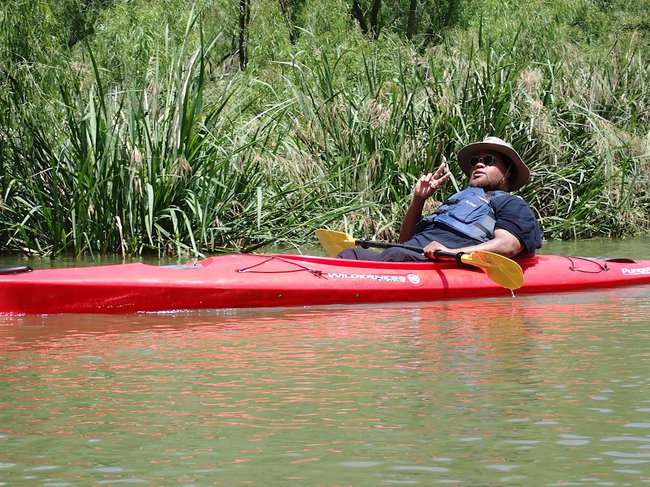
Sit on Top Coastal Kayaking
Level 3: Sit-On-Top (SOT) Coastal Kayaking Instructor Criteria Course Overview Level 3: Sit-On-Top Coastal Kayak (SOTCK), is part of the intermediate level of the coastal kayak discipline. Coastal kayakers build upon foundational skills, increase their knowledge, and transition from sheltered water to more exposed paddling environments. The Level 3 SOTCK Instructor certification program equips sit-on-top coastal kayakers with teaching, assessing, and leadership skills to help students improve and provide safe and effective learning experiences in moderate water. Level 3 is an entry point in the Coastal Kayak instructor scheme. Still, it is more appropriate for paddlers with a higher skill set and some experience as an outdoor leader or educator, having the goal of teaching on the Great Lakes or coastal areas. Passing a Level 3 SOTCK Skills Assessment is required before the start of instructor development. By the time of evaluation, candidates are expected to exceed the Level 3 skills and technical knowledge, including the “developing skills,” as identified in the Level 3 SOTCK Skills Assessment. Instructor Candidates will focus on the instructing aspect of developing entry and intermediate-level kayaking skills for those who wish to learn sit-on-top kayaking in conditions up to and including Level 3. In general, Level 3 instructors can plan courses, deliver structured learning sessions, and incorporate activity-based learning. They use observation and analysis of component skills to provide feedback on students’ performance. Successful candidates will lead and teach in coastal environments where they may have to manage learning distractions, for example, wind, waves, or boat traffic. Level 3 workshops focus on planning, designing, and delivering of skills courses and assessments, as well as the roles and responsibilities of an ACA instructor. Course Prerequisites All participants must acknowledge personal compliance with the ACA Essential Eligibility Criteria (EEC) Be a current ACA member Understands and acts in accordance with ACA's Code of Conduct Successfully completed a Level 3: Sit-On-Top Coastal Kayak Skills Assessment before starting their Instructor Development Workshop (IDW) or Instructor Certification Workshop (ICW). Course Duration Combined Instructor Development Workshop (IDW) and Instructor Certification Exam (ICE) or Instructor Certification Workshop (ICW) - minimum 5 days (40 hours). Course Location / Accessible Venues Lakes or coastal waters with some exposure to mild wind and wave conditions, with regular access to landing areas and within 1.5 nautical miles from shore: 10 - 15 knots of wind 1 - 2 foot waves (chop) (0.3 – 0.6 meters) 1 - 2 foot surf (0.3 – 0.6 meters) 1 - 2 knots of current Students must demonstrate proficiency in at least 3 of the above conditions at some time during the workshop to receive certification. Course Size 5 Instructor Candidates : 1 Instructor Trainer; with an additional qualified assistant, the ratio can be 10 : 2. The maximum number of instructor candidates permitted is 10. For additional details, see SEIC Policy Manual Chapter 7. Instructor Trainer This certification course may be offered by Level 3: Sit-On-Top Coastal Kayaking ACA Instructor Trainers or Instructor Trainer Educators or Level 3: Coastal Kayaking (or higher) ACA Instructor Trainers or Instructor Trainer Educators. The following is a list of the criteria used to evaluate instructor candidates. The content and evaluation sequence should be adjusted to fit the participant’s needs, class location, and time allowance. General Requirements for all ACA Certification Candidates Be at least 18 years old Demonstrate a general knowledge of paddlesports and the ACA Obtain a copy of the ACA Instructor’s Manual Demonstrate a general knowledge and purpose of the ACA Essential Eligibility Criteria (EEC) , ACA Code of Conduct , and ACA’s Equity and Access Initiatives Successfully complete an Instructor Certification Workshop (combined ICW or IDW and ICE) Upon successful completion, register with the Safety Education and Instruction Council Have and maintain venue-appropriate first aid and age-appropriate CPR Demonstrate the ability to appropriately perform, model, and teach all of the following material, unassisted, in the appropriate venue Demonstrate the ability to appropriately perform, model, and teach all of the material contained within the official ACA skills course and assessment course outlines corresponding to their level of certification and all levels below, if applicable Demonstrate positive interpersonal skills Certification Maintenance Requirements Teach a minimum of two courses that meet ACA standards within the four-year certification period and properly report the courses using the ACA Course Management System (CMS). At least one course must be at their highest level of certification Complete an Instructor Update, at the highest level of certification, during the four-year certification period Maintain ACA membership and SEIC registration annually Maintain appropriate CPR and first aid certification for the duration of certification Level 3: Sit-On-Top Coastal Kayaking Instructor Requirements ACA Knowledge and Professionalism: Has a general understanding of the history, mission, and philosophy of the American Canoe Association. Understands the mission of purpose of the ACA Safety, Education, and Instruction Council (SEIC) and the Safety, Education, and Instruction (SEI) Department. Familiar with the Course Management System (CMS), use of the "test system," dashboard, uploading of credentials, registering a course with and without insurance, reporting courses, candidate evaluations, and completing and submitting an ACA Waiver. Understands the instructor certification maintenance requirements. Personal Paddling Effectively models the competencies and skills listed in the Level 3 SOT Coastal Kayak Skills Assessment. Personal skills largely "exceed" the standards and can perform the “Developing Skills” as described in the **Level 3 Assessor's Guide .** Course Structure and Delivery Able to plan, design, and structure courses for paddlers with various skill and experience levels. Able to plan, design, and structure courses for venues, conditions, and content up to and including Level 3. Chooses an appropriate venue, changes venue when necessary, and moves students to an optimal location while on the water. Delivers effective sessions with student goals at the forefront. Provides effective course introduction and debrief sessions. Effectively communicates with Instructor Trainer and peers before, during, and after the course. Instructional Expectations Demonstrates the ability to plan and deliver a structured learning session Demonstrates the ability to implement and facilitate purpose-driven activities (for example, games and challenges). Demonstrates the ability to deliver and adapt a session based on learner interest, need, and environment. Makes decisions based on learner, content, and context of delivery. Demonstrates awareness of, and utilizes, educational resources (for example, student pre-course communications, informational packets, props, etc.). Provides performance feedback based on observation and analysis of component skills. Practical Teaching of Content from Level 3 Skills Assessment * Demonstrates ability to teach strokes and maneuvers in conditions up to and including Level 3. Forward paddling Reverse paddling Stopping Forward and reverse sweeps Rotate in place 360 degrees Turning on the move Draw sideways Draw sideways on the move Ruddering (bow and stern) Linked maneuvers Demonstrates ability to teach edging and support in conditions up to and including Level 3. Edge control Low brace turn Low brace recovery High brace recovery Demonstrates ability to teach rescues and towing in conditions up to and including Level 3 Capsize and wet exit (with thigh-straps if appropriate) Assisted rescues - able swimmer Assisted rescues - unable swimmer Self-rescue, including righting overturned SOT by oneself Towing with a tow line Move a kayak without the use of a tow line Paddler separated from their kayak Demonstrates ability to teach awareness and seamanship for Levels 1 - 3 conditions. Safety issues of coastal kayaking Leave No Trace and NOAA Wildlife Viewing Guidelines Equipment Packing the kayak Kayak repair Hypothermia and cold-water shock Hyperthermia and heat-related issues Knots: Bowline, Clove Hitch, and Trucker’s Hitch Demonstrates ability to teach incident prevention and management for Levels 1 - 3 conditions. Kayak securing for storage or transport, and loading and unloading of kayaks Launching and landing Teamwork Communication VHF radio Distress calls Signaling devices Float plan Demonstrates ability to teach trip planning and navigation content for Level 2 and 3 conditions. Weather and forecasts Trip planning Tidal planning Chart Use and route finding Compass use Nautical Rules of the Road On-water navigation exercises Demonstrates ability to teach one of three Level 3 venue specific skill sets from the Level 3 Sit on Top Coastal Kayak Skills Assessment: (1) Tides and Current, (2) Wind, Waves and Surf, or (3) Rocky Shorelines. Demonstration of teaching a venue-specific skill set denotes the necessary level of teaching and group management ability for all Level 3 venues. Environmental awareness Reading water Boat control Rescues * Note: Candidates need not demonstrate practical teaching of all the strokes, maneuvers, rescues, and competencies during the course. They must simply demonstrate teaching at least one skill from each of the above categories. Further detail on the skills and competencies is found in the Level 3 Sit on Top Coastal Kayak Skills Assessment. Delivering Skills Assessments Understands the standards set in the Level 3 Sit on Top Coastal Kayak Skills Assessment. Structures opportunities for performance assessment experiences in Level 3 conditions. Demonstrates the ability to accurately assess whether a paddler's skill level meets Level 3 standards. Provides appropriate and accurate feedback in a timely manner at the conclusion of the assessment course. Leadership Demonstrates an understanding of the principles of group management, both on and off the water. Demonstrates personal leadership on and off the water. © American Canoe Association Date of last revision: 11/15/2025 https://americancanoe.org This curriculum is managed by the ACA Coastal Kayaking Committee. To connect with the leadership of this committee, please view the SEIC Committee rosters on the ACA website. See skill course overview here: https://americancanoe.notion.site/Level-3-Sit-On-Top-SOT-Coastal-Kayaking-Instructor-Criteria-70219656767b4fcf84f39e172f3b82f0?pvs=143
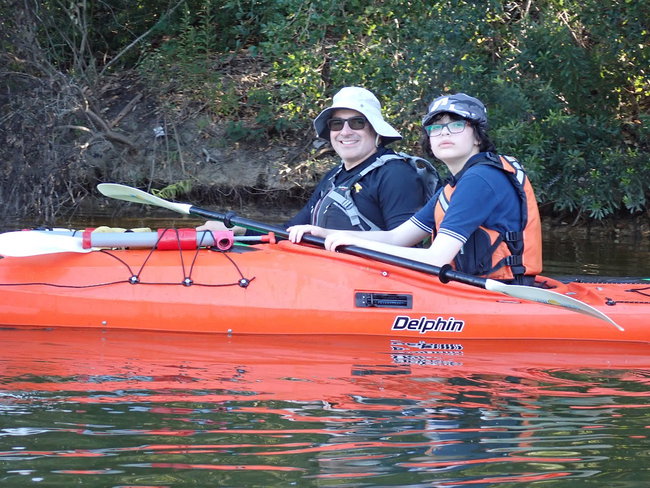
Rolling Skills
Kayak Rolling Skills Course Course Overview The Kayak Rolling course is designed to introduce paddlers to the technique of rolling. Course Objectives Learning proper boat fit and adjustment for effective rolling Learning safe and effective wet exit technique Learning kayak specific rescues (e.g., boat to boat) Learning techniques for effectively rolling the kayak Learning proper body positioning and head placement for executing a roll Learning the mechanics of a roll Course Prerequisites Acknowledgment of personal compliance with the ACA Essential Eligibility Criteria (EEC) Agree to comply with the ACA Code of Conduct No prior paddling experience or training is required to participate in this course Course Duration The course duration should be adjusted to best fit the needs and goals of the participants. Half day (2 hours) or more. Course Location / Accessible Venues Ideal conditions would be an indoor heated pool. If not available, a calm, warm, shallow water environment would suffice. Course Size 5 Participants : 1 Instructor; with an additional qualified assistant, the ratio can be 10 : 2. For additional details, see SEIC Policy Manual Chapter 7. Instructor This kayak rolling skills course may be offered by: Level 4: Open Water Coastal Kayaking Instructor (or higher) Level 4: Whitewater Kayaking Instructor (or higher) Level 2 or Level 3 Kayak Instructor with the Kayak Rolling Endorsement The following is a general summary of course content for the Kayak Rolling course. The content covered and sequence of instruction should be adjusted to best fit the participant’s needs, class location and time allowance. Introduction, Expectations, and Logistics Introduction, Expectations, and Logistics: Welcome, introductions, paperwork Student and Instructor course expectations and limitations Course itinerary and site logistics Review waiver, assumption of risk, challenge by choice, medical disclosure About the ACA Life jacket policy (always wear on water) Appropriate personal behavior No alcohol / substance abuse Proper etiquette on and off the water Respect private property Practice Leave No Trace ethics Paddling Environment Wind Waves Weather Water Personal Preparation Personal ability Swimming ability Water comfort and confidence Fitness, conditioning, and warm up Safe paddle and boat handling Safety and rescue considerations Personal equipment (reviewed by Instructor) Dry Land Orientation Student and Instructor expectations Equipment familiarity, fit, and adjustment Environment - underwater learning Physical - flexibility, fatigue Emotional - fears Cognitive - information overload Equipment orientation Whitewater vs. sea kayaks PFD and spray skirt Stretching / Kayak Fit and Adjustment Stretches focusing on hamstrings, forearms, wrists, neck, body rotation Kayak fit and adjustment Lower body boat control (emphasize points of contact) Hip snap demonstration, explanation and dry land practice Wet Exit Demonstration and Practice Dry land wet exit demo and practice (tuck, pound, pull, and push) Launching and landing: low dock, bank, or pool side to enter and exit safely On-water wet exit practice (one-on-one supervision) Roll Demonstration: Depends on type of roll being taught C to C roll or extended paddle roll Breakdown into components: setup, sweep, hip snap Sweep roll Breakdown into components: 1) setup/start position, 2) finish position, 3) synchronized rotation of body and rotation of boat as the body and paddle move to the finish position Hip Snap Development through Rescue Progression Demonstrate using Whole-Part-Whole method Break boat-to-boat rescue down into components and have students practice with a partner Emphasize hip snap development keeping head down Allow time for rest Provide constructive feedback Roll Progression Hip snap refinement Instructor supports student by holding hands on the on-side Student rolls to a partially submerged position on the on-side Student rolls away from the Instructor (hands placed next to off-side knee) Set up position Acquaint student with proper hand placement and indexing of paddle Student rolls to the on-side (Instructor supports student by life jacket just above water surface and guides paddle from the set-up to the sweep position) Allow student to set-up and sweep on their own with your support Student rolls away from the Instructor in the proper setup position (Instructor awaits for paddle to surface and then helps guide paddle into proper sweep position and provides support for hip snap) Putting it all together Guide paddle into position by lightly supporting the sweeping blade ensuring proper blade angle and orientation Minimally assist by standing at stern and twisting boat upright if needed Revisit any previous step to further develop needed skills Carefully observe students for fatigue and confusion Encourage students to work with partners when they are awaiting their one-on-one time Provide and encourage breaks Conclusion and Wrap Up Group debrief / individual feedback Course limitations Importance of First Aid and CPR Importance of additional instruction, practice, and gaining experience Importance of appropriate level of safety and rescue training Life sport / paddling options Local paddling groups / clubs Handouts / reference materials Participation cards ACA membership benefits and join process Evaluation - Students will be evaluated on their ability to: Effectively roll the kayak using their hips Keep their head down when surfacing Sweep the paddle with proper blade orientation at the surface Arch their body close to the surface during the sweep Maintain a horizontal shaft during the high brace when rolling the kayak Complete the roll with the proper finish position Maintain proper hand and arm positioning to prevent injury © American Canoe Association Date of last revision: 12/31/2023 https://americancanoe.org This curriculum is managed by the ACA River Kayaking Committee. To connect with the leadership of this committee, please view the SEIC Committee rosters on the ACA website. See skill course overview here: https://americancanoe.notion.site/Kayak-Rolling-Skills-Course-592862fb8d1f430cbb6422e0f9496511?pvs=143
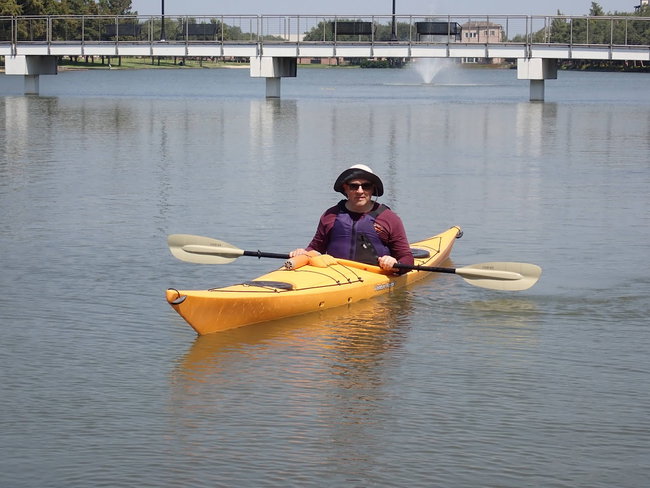
L2: Essentials of Kayak Touring
Level 2: Essentials of Kayak Touring Skills Course Course Overview The Essentials of Kayak Touring ****course is designed to teach beginner paddlers to safely and enjoyably kayak on lakes, calm protected ocean environments, and other flatwater settings. Note: This curriculum may be used for both spray skirted kayaks, as well as non-spray skirted kayaks. Skills not applicable to non-spray skirted kayaks are followed by the notation: *. Bulkheads are not required; however, some form of flotation must be present to keep the kayak from sinking. Course Prerequisites Acknowledgment of personal compliance with the ACA Essential Eligibility Criteria (EEC) Agree to comply with the ACA Code of Conduct No prior paddling experience or training is required to participate in this course Course Duration The course duration should be adjusted to best fit the needs and goals of the participants. Suggested time: Half a day to one day (4-8 hours). Course Location / Accessible Venues Calm, protected water with constant access to safe landing and within .5 nautical miles from shore: Winds less than 10 knots Waves less than 1 foot (0.3 meters) Current less than 1 knot Course Size 5 Participants : 1 Instructor; with an additional qualified assistant, the ratio can be 10 : 2. For additional details, see SEIC Policy Manual Chapter 7. Instructor This course may be offered by Level 2: Essentials of Kayak Touring (or higher) ACA Instructors, Instructor Trainers, or Instructor Trainer Educators. Succeeding Courses Level 2: Essentials of Kayak Touring Skills Assessment Level 2: Essentials of Kayak Touring Trip Leader Training and Assessment Level 3: Coastal Kayaking Skills Course Course Outline The following is a general summary of content for this course. The content and sequence of instruction should be adjusted to best fit the participant’s needs, class location and time allowance. Introduction, Expectations, and Logistics Introduction, Expectations, and Logistics: Welcome, introductions, paperwork Student and Instructor course expectations and limitations Course itinerary and site logistics Review waiver, assumption of risk, challenge by choice, medical disclosure About the ACA Life jacket policy (always wear on water) Appropriate personal behavior No alcohol / substance abuse Proper etiquette on and off the water Respect private property Practice Leave No Trace ethics Paddling Environment: Wind Waves Weather Water Personal Preparation: Personal ability Swimming ability Water comfort and confidence Fitness, conditioning, and warm up Safe paddle and boat handling Safety and rescue considerations Personal equipment (reviewed by Instructor) Learning judgment. prudent behavior, being aware of what you do not know, cannot handle, or should not risk Group equipment: extra paddle, dry bags, first aid kit and rescue equipment (depending on the environment and nature of the trip this may include cell phones, 2- way radios, vhf radios, paddle floats, rescue slings, etc.). Guidebooks, maps/charts, local knowledge Assessing relevant existing and approaching environmental conditions including: tides, weather, time of day, water and air temperature, traffic, and accessibility Assessing personal and group dynamics (skills, equipment, group makeup, emotional concerns, logistics, and leadership). Filed trip plan Getting Started: Warm-up and stretching How to pick up and carry a kayak safely Car topping: loading and unloading, racks, straps Launching and landing Boarding, three points of contact, weight kept low, etc. Posture, safety, comfort, effectiveness, rocking, balance Spray skirts* Water comfort and confidence: wet exits – capsize & effectively exit Wet exits* in two ways: (1) utilizing the spray skirt grab loop (2) releasing the skirt off the hip Self-rescue How to empty a kayak Basic terminology Types of strokes (covered in this course): power, turning Stroke components: catch, propulsion, recovery (CPR), control, correction Equipment: Lifejackets (PFDs): types, fit Kayaks: types, materials, parts (including safety features such as flotation) Paddles: types, materials, parts, length, blade size, shape and offset, hand position Care of equipment Personal equipment: water, food, shoes, hat, sunscreen, insect repellent, sun glasses, eyeglass straps, protective clothing for heat or cold, sponge, bailer/pump, whistle (or other approved sounding device), knife, light Optional equipment and outfitting for improved control (for example, skeg, rudder, foot pegs, paddling, back band) Safety: Exercising judgment, safety as a mind-set, etc. Cold water shock and hypothermia: recognition, prevention, and treatment Dehydration and hyperthermia: hydration, clothing Hazards: wind, waves, weather, current, rocks, bridges, piers, dams, strainers, traffic Paddling as a group Signaling Interactions and sharing water with non-powered and powered traffic Emergency procedures Rescue: Rescue sequence: reach, throw, row, go (RETHROG) Rescue priorities: people, boats, gear Demonstrate/participate: T-rescue Deep-water re-entries, assisted and solo, with sling, including scoop and paddle float rescues* Cross kayak PFD grab assisted rescue Unresponsive paddler rescue (for example, “Hand of God” and boat flip) Boat assisted rescue, assisting a tired swimmer (pushing or pulling to shore) Towing or bulldozing a capsized boat Maneuvers: Paddling in a reasonably straight line Spins Stopping Moving abeam (sideways) Strokes: Forward Back (stopping) Draw (in water and out of water recovery and sculling draw) Sweep (forward and reverse) Stern rudder Low brace Low brace turn Conclusion and Wrap Up Group debrief and individual feedback. Course limitations Importance of first aid and CPR Importance of additional instruction, practice, experience Importance of appropriate level of safety and rescue training Demonstrate advanced maneuvers Life sport and paddling options Local paddling groups and clubs Handouts and reference materials ACA membership Course evaluation Participation cards (optional) *Skills not required for those participants paddling a kayak without a spray skirt. © American Canoe Association Date of last revision: 5/1/2024 https://americancanoe.org This curriculum is managed by the ACA Coastal Kayaking Committee. To connect with the leadership of this committee, please view the SEIC Committee rosters on the ACA website. See skill course overview here: https://americancanoe.notion.site/Level-2-Essentials-of-Kayak-Touring-Skills-Course-0c1168372f324ab4821b246bdffd53b9?pvs=143
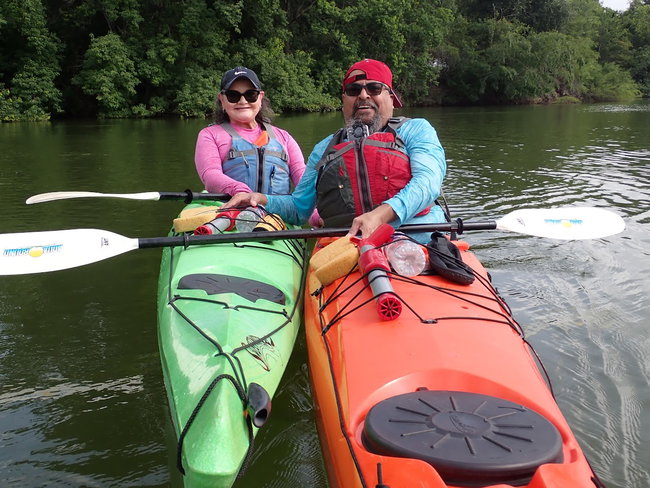
L2: Essentials of Sit-on-Top Kayak Touring
Level 2: Essentials of Sit-On-Top Kayak Touring Skills Course Course Overview The Essentials of Sit-On-Top Kayaking ****course is to teach beginner paddlers to safely and enjoyably kayak on lakes, calm protected ocean environments, and other flatwater settings. Note: This course is designed for sit-on-top (SOT) kayaks only and this curriculum is meant to highlight this limitation. Participants should understand that rescuing decked kayaks requires additional and separate instruction. Bulkheads are not required; however, some form of flotation must be present to keep the kayak from sinking. Course Prerequisites Acknowledgment of personal compliance with the ACA Essential Eligibility Criteria (EEC) Agree to comply with the ACA Code of Conduct No prior paddling experience or training is required to participate in this course Course Duration The course duration should be adjusted to best fit the needs and goals of the participants. Suggested time: Half a day to one day (4-8 hours). Course Location / Accessible Venues Protected water with constant access to safe landing and within .5 nautical miles from shore: Winds less than 10 knots Waves less than 1 foot (0.3 meters) Current less than 1 knot Course Size 5 Participants : 1 Instructor; with an additional qualified assistant, the ratio can be 10 : 2. For additional details, see SEIC Policy Manual Chapter 7. Instructor This course may be offered by Level 2: Essentials of Sit-On-Top Kayak Touring (or higher) ACA Instructors, Instructor Trainers, or Instructor Trainer Educators. Succeeding Courses Level 2: Essentials of Kayak Touring Skills Assessment Level 2: Essentials of Kayak Touring Trip Leader Training and Assessment Level 3: Coastal Kayaking Skills Course Course Outline The following is a general summary of content for this course. The content and sequence of instruction should be adjusted to best fit the participant’s needs, class location and time allowance. Introduction, Expectations, and Logistics Introduction, Expectations, and Logistics: Welcome, introductions, paperwork Student and Instructor course expectations and limitations Course itinerary and site logistics Review waiver, assumption of risk, challenge by choice, medical disclosure About the ACA Life jacket policy (always wear on water) Appropriate personal behavior No alcohol / substance abuse Proper etiquette on and off the water Respect private property Practice Leave No Trace ethics Paddling Environment: Wind Waves Weather Water Personal Preparation: Personal ability Swimming ability Water comfort and confidence Fitness, conditioning, and warm up Safe paddle and boat handling Safety and rescue considerations Personal equipment (reviewed by Instructor) Learning judgment. prudent behavior, being aware of what you do not know, cannot handle, or should not risk Group equipment: extra paddle, dry bags, first aid kit and rescue equipment (depending on the environment and nature of the trip this may include cell phones, 2- way radios, vhf radios, paddle floats, rescue slings, etc.). Guidebooks, maps/charts, local knowledge Assessing relevant existing and approaching environmental conditions including: tides, weather, time of day, water and air temperature, traffic, and accessibility Assessing personal and group dynamics (skills, equipment, group makeup, emotional concerns, logistics, and leadership). Filed trip plan Getting Started: Warm-up and stretching How to pick up and carry a kayak safely Car topping: loading and unloading, racks, straps Launching and landing Boarding, three points of contact, weight kept low, etc. Posture, safety, comfort, effectiveness, rocking, balance Wet Exits Water comfort and confidence, wet exits Self-rescue Basic Terminology Types of strokes (covered in this course): power, turning, support, control, correction Stroke components: catch, propulsion, recovery (CPR) Safe and effective body usage Equipment: Lifejackets (PFDs): types, fit Kayaks: types, parts, backbands, seats and footrest Paddles: types, materials, parts, length, blade size, shape and offset, hand position Care of equipment Personal equipment: water, food, shoes, hat, sunscreen, insect repellent, sunglasses, eyeglass straps, protective clothing for heat or cold, sponge, bailer/pump, whistle (or other approved sounding device), knife, light Optional equipment and outfitting for improved control such as thigh braces Safety: Exercising judgment, safety as a mind-set, etc. Hypothermia and cold immersion shock: recognition, prevention, and treatment Dehydration and hyperthermia: recognition, prevention, and treatment Hazards: wind, waves, weather, current, rocks, bridges, piers, dams, strainers, traffic, etc. Paddling as a group Signaling Interactions and sharing water with non-powered and powered traffic Emergency procedures Rescues: Rescue sequence: RETHROG (reach, throw, row, go) Rescue priorities: people, boats, gear Demonstrate and participate: deep- water re-entries, assisted and solo, including use of sling Boat assisted rescue, assisting a tired swimmer (pushing or pulling to shore) T-X rescue (blown hatch rescue) with pump Cross kayak PFD grab assisted rescue Unresponsive paddler rescue (for example, Hand of God and boat flip) Contact towing and bulldozing a capsized boat Swimmer tows (bow, back deck, toggle) Maneuvers: Paddling in a reasonably straight line Spins Stopping Moving abeam (sideways) Strokes: Forward Back (stopping) Draw (in water and out of water recovery and sculling draw) Sweep (forward and reverse) Stern rudder Low brace Low brace turn Conclusion and Wrap Up Group debrief and individual feedback Course limitations Importance of first aid and CPR Importance of additional instruction, practice, experience Importance of appropriate level of safety and rescue training Life sport and paddling options Local paddling groups and clubs Handouts and reference materials ACA membership forms Course evaluation Participation cards (optional) © American Canoe Association Date of last revision: 5/1/2024 https://americancanoe.org This curriculum is managed by the ACA Coastal Kayaking Committee. To connect with the leadership of this committee, please view the SEIC Committee rosters on the ACA website. See skill course overview here: https://americancanoe.notion.site/Level-2-Essentials-of-Sit-On-Top-Kayak-Touring-Skills-Course-4bc2275686ee4079852a94b71b8d533b?pvs=143
L2: Essentials of Sit-on-Top Kayak Touring Trip Leader
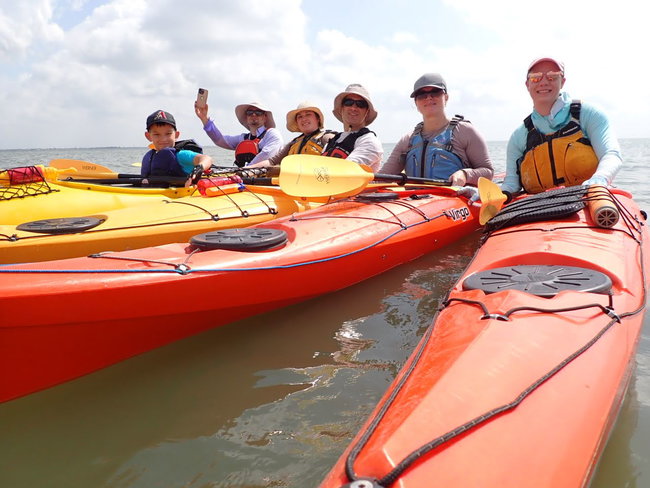
Course Purpose and Overview The purpose of the Level 2: Essentials of Kayak Touring Trip Leader (Level 2: EKTL) training is to prepare individuals who intend to lead other paddlers, either recreationally or professionally. The emphasis of the training is on leadership. The Level 2: EKTL training is designed to expose candidates to the skill-set required for leading paddlers in protected waterways. While this is not a teaching award, a Level 2: EKTL should also be able to provide basic tips to paddlers, as appropriate, to help them through the environment. This training course is intended to be followed by an assessment course. Skills Course Prerequisites Acknowledgment of personal compliance with the ACA Essential Eligibility Criteria (EEC) Be a current member of the ACA Previously completed the Level 2: Essentials of Kayak Touring Skills Assessment and/or demonstration of equivalent skills Course Duration One day (8 hours) minimum Course Location / Accessible Venues Lakes or coastal waters with potential areas of exposure to mild wind and wave conditions, with constant access to safe landing and within 1.5 nm from shore: Winds less than 10 knots Waves less than 1 foot (0.3 meters) Current less than 1 knot No surf - shore break less than 1 ft (0.3 meters)
L3: Coastal Kayak Basic Strokes and Rescues
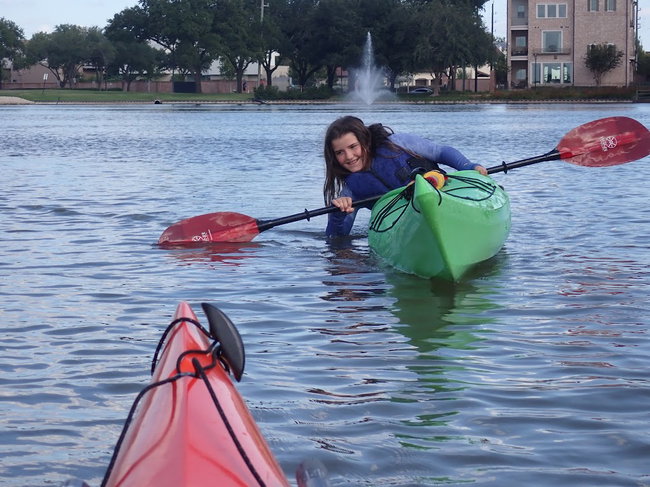
Level 3: Coastal Kayaking Basic Strokes & Rescues Skills Course Skills Course Overview The Coastal Kayak Basic Strokes and Rescues course is designed to introduce basic coastal kayaking skills and safety to beginners. Course Objectives Participants will be introduced to: Proper fit and adjustment of their kayak for effective control and comfort Attaching and releasing the spray skirt Safely entering and exiting kayak, including wet exit Effective use and control of the paddle Performing basic strokes efficiently Performing T-rescue and Paddle float self rescue The importance and influence of weather and tides on the coastal kayaker Dealing with marine hazards and other safety issues Understanding personal limitations and skill level Minimum Personal Equipment for the Course: Properly sized and outfitted kayak with front and rear flotation. Standard gear and safety equipment (paddles, PFDs (lifejackets), spray skirt, paddle floats, bilge pumps, and appropriate clothing for weather and immersion) Course Prerequisites Acknowledgment of personal compliance with the ACA Essential Eligibility Criteria (EEC) Agree to comply with the ACA Code of Conduct No prior paddling experience or training is required to participate in this course Course Duration The course duration should be adjusted to best fit the needs and goals of the participants. Suggested time: Half a day to one day (4-8 hours). Course Location / Accessible Venues Lakes or coastal waters with potential areas of exposure to mild wind and wave conditions, with constant access to safe landing and within 1.5 nm from shore: 10 - 15 knot winds 1 - 2 foot waves (chop) (0.3 – 0.6 meters) 1 - 2 foot surf (0.3 – 0.6 meters) 1 - 2 knots of current Course Size 5 Participants : 1 Instructor; with an additional qualified assistant, the ratio can be 10 : 2. For additional details, see SEIC Policy Manual Chapter 7. Instructor This course may be offered by Level 3: Coastal Kayaking (or higher) ACA Instructors, Instructor Trainers, or Instructor Trainer Educators. Succeeding Courses Level 3: Coastal Kayak Strokes and Maneuvers Refinement Skills Course Level 3: Coastal Kayaking Skills Assessment Course Outline The following is a general summary of content for this course. The content and sequence of instruction should be adjusted to best fit the participant’s needs, class location and time allowance. Introduction, Expectations, and Logistics Introduction, Expectations, and Logistics: Welcome, introductions, paperwork Student and Instructor course expectations and limitations Course itinerary and site logistics Review waiver, assumption of risk, challenge by choice, medical disclosure About the ACA Life jacket policy (always wear on water) Appropriate personal behavior No alcohol / substance abuse Proper etiquette on and off the water Respect private property Practice Leave No Trace ethics Paddling Environment: Wind Waves Weather Water Personal Preparation: Personal ability Swimming ability Water comfort and confidence Fitness, conditioning, and warm up Safe paddle and boat handling Safety and rescue considerations Personal equipment (reviewed by Instructor) On Shore Presentations: Equipment orientation Personal clothing and gear PFDs, wetsuits, spray skirts Safety equipment Basic boat design and kayak terminology Boat fit and adjustment Boat/body weld Foot brace adjustment Spray skirt attachment/release Dry land “wet exit” drill Paddle orientation and use Correct hand placement Control hand/relaxed grip Torso rotation and paddler’s box Launching & Landing / Wet-exit practice & Kayak Orientation: Carrying kayak to and from water Entry/exit of kayak from shore or dock Boat stability, “hip wiggle,” edging Practice wet-exits with one-on-one supervision by instructor (if in cold water environment, wait until rescue session) Wet exits must be modeled and taught two ways: (1) utilizing the spray skirt grab loop and (2) releasing the skirt off the hip. Allow students a few minutes to paddle around and get oriented with their kayak Basic Strokes & Skills: Rafting up Sweep stroke (forward/reverse/pivot in place) Forward Stroke Reverse stroke and stopping Draw stroke High and low braces (hip snap/boat edging/lower body control) On Land Discussion Items: Weather conditions Chart use Tides and currents (if applicable) Signaling and safety devices Deep Water Rescues: Note: Use stirrup if necessary Demonstrate and practice T-rescue Demonstrate and practice paddle float, and other self-rescues Demonstrate and practice towing, contact tow, as well as in-line tow Bonus : Reentry and roll with Paddle float Group Safety Discussion: Group signals Staying together (i.e. lead/sweep) What to do in an emergency Dealing with boat traffic Short Skills Development Tour: Continue to develop efficient stroke technique Practice course corrections Have fun Conclusion and Wrap Up: Group debrief / individual feedback Course limitations Importance of first aid and CPR Importance of additional instruction, practice, experience Importance of appropriate level of safety and rescue training Demonstrate advanced maneuvers Life sport / paddling options Local paddling groups / clubs Handouts / reference materials ACA membership forms Course evaluation Participation cards © American Canoe Association Date of last revision: 5/1/2024 https://americancanoe.org This curriculum is managed by the ACA Coastal Kayaking Committee. To connect with the leadership of this committee, please view the SEIC Committee rosters on the ACA website. See skill course overview here: https://americancanoe.notion.site/Level-3-Coastal-Kayaking-Basic-Strokes-Rescues-Skills-Course-23be97a0a0734b5c954af5978856ba6d?pvs=143
L3: Strokes and Maneuvers Refinement
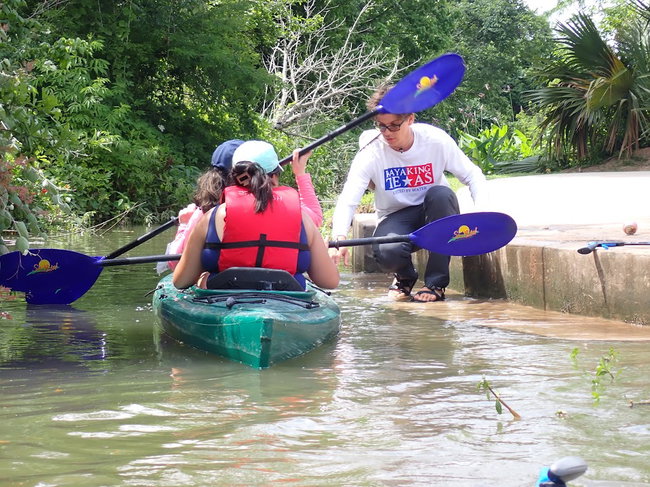
Level 3: Coastal Kayaking Stroke & Maneuvers Refinement Skills Course Course Overview The Coastal Kayak Strokes and Maneuvers Refinement course is designed to assist coastal kayakers at all levels in refining basic strokes and maneuvers. It may be beneficial to re-take this course at different levels of skill progression. Course Objectives: Using on-water practice, classroom discussion and/or video analysis, participants will practice strokes/maneuvers to increase efficiency, fluidity and control. Minimum Personal Equipment for the Course: Properly sized and outfitted sea kayaks with front and rear flotation and related paddling and safety equipment (i.e. paddles, PFDs, spray skirts, paddle floats, bilge pumps & wet suits if necessary). Course Prerequisites Acknowledgment of personal compliance with the ACA Essential Eligibility Criteria (EEC) Agree to comply with the ACA Code of Conduct No prior paddling experience or training is required to participate in this course Course Duration The course duration should be adjusted to best fit the needs and goals of the participants. Suggested time: Half a day to one day (4-8 hours). Course Location / Accessible Venues Lakes or coastal waters with potential areas of exposure to mild wind and wave conditions, with constant access to safe landing and within 1.5 nm from shore: 10 - 15 knot winds 1 - 2 foot waves (chop) (0.3 – 0.6 meters) 1 - 2 foot surf (0.3 – 0.6 meters) 1 - 2 knots of current Course Size 5 Participants : 1 Instructor; with an additional qualified assistant, the ratio can be 10 : 2. For additional details, see SEIC Policy Manual Chapter 7. Instructor This course may be offered by Level 3: Coastal Kayaking (or higher) ACA Instructors, Instructor Trainers, or Instructor Trainer Educators. Succeeding Courses Level 4: Open Water Coastal Kayaking, Surf Kayak, Tidal Skills, or Rough Water Course Outline The following is a general summary of content for this course. The content and sequence of instruction should be adjusted to best fit the participant’s needs, class location and time allowance. Introduction, Expectations, and Logistics Introduction, Expectations, and Logistics: Welcome, introductions, paperwork Student and Instructor course expectations and limitations Course itinerary and site logistics Review waiver, assumption of risk, challenge by choice, medical disclosure About the ACA Life jacket policy (always wear on water) Appropriate personal behavior No alcohol / substance abuse Proper etiquette on and off the water Respect private property Practice Leave No Trace ethics Paddling Environment: Wind Waves Weather Water Personal Preparation: Personal ability Swimming ability Water comfort and confidence Wet exits in two ways: (1) utilizing the sprayskirt grab loop and (2) releasing the skirt off the hip Fitness, conditioning, and warm up Safe paddle and boat handling Safety and rescue considerations Personal equipment (reviewed by Instructor) Dry-Land Presentation: The dynamics of boat control The pressurized bow and free stern Shaft and blade angles, catch and release points, the box, torso rotation and driving the foot pegs Edging to unlock the trailing keel Working with wind On-Water Presentations: Strokes: Forward Stroke Comfortable extension forward and maintain “paddler’s box” Hands at shoulder height and “in plane” Drive foot peg on the same side as the stroke Torso rotation (10 o’clock to 2 o’clock) Short stroke (in at feet out at hips) Relatively high shaft angle (depending on boat, anatomy, paddle length, etc.) Sweep Stroke Torso rotation (windup) Blade in at feet just below water In flat water, follow blade with eyes In rough water, look through turn Maintain box and drive with on-water peg Catch, release = bow to stern waterline More edge = less waterline Low shaft angle for maximum extension Reverse Strokes (to propel, maneuver, stop) Method A . Same initial set-up for propulsion, maneuvering, and emergency stops Maintain paddler’s box, rotate torso around spine, (don’t lean back), place back face flat on water, 45 degrees off keel line (will require that you edge the boat) Unwind torso while rotating wrist up & forward to keep back face loaded, blade just below surface To correct heading, hold edge longer and finish stroke further toward the bow Practice technique w/ reverse figure 8’s. Method B . Different initial set-up for propulsion than for sweeps To propel or stop, position paddle parallel to the boat, back face down. Begin catch near 6 o’clock position and drive back face forward along the boat’s longitudinal axis To sweep, position paddle parallel to boat, back face out, blade near 6 o’clock position Drive back face out in an arc toward the bow, edging toward the on-water blade Beam Draw Stroke (In-water Recovery) Face your work (rotate torso) Anchor off-water arm across chest Sight over off-water wrist Control with on-water hand Extend shaft and pull power face to boat Blade deep in water Rotate wrist and slice away for re-set Sculling Draw Rotate torso to face your work Anchor both elbows and power with torso Vertical shaft Angle leading edge of blade slightly away Rotate wrist to change leading edge Short stokes (1-2 foot arc, 6-18 inches out) (0.3-0.6 meters, 15-45 cm) Sculling For Support Refinement From high brace position, power face down Flat shaft angle Blade at surface, slight climbing blade angle Control with on-water hand Torso over water Don’t push down, create lift by pushing blade fore and aft with slightly high leading edge Low Brace Flat shaft angle Elbow over shaft Maintain reference grip Use back face to create “depth charge” Hip snap to recovery High Brace Flat shaft angle Elbow under shaft Slap power face on water Hip snap to recovery Maneuvers Low and High Brace Turn Establish hull speed Set up nose momentum with outside edge Transition quickly to inside edge Extend paddle blade and delay contact with the water Use back/power face with slightly climbing blade angle, and hold brace (do not jam forward until recovery) Recover with hip snap Transition to forward stroke Bow Rudder Establish hull speed Initiate turn (outside edge and sweep) Submerge blade just forward of pivot point (usually just forward of 3-9 line) Rotate wrist slightly to open leading edge and load power face Control with on-water hand and allow off-water hand to drop to a comfortable fulcrum position Don’t over-expose power face Adjust as hull speed decreases Stationary Draw (Hanging Draw, Side Slip) Establish hull speed Rotate to face your work Maintain box and extend paddle away Slice blade from aft quarter forward into place at about the 3 or 9 position as you edge the boat away from the paddle Rotate on-water wrist to keep leading edge angled slightly outward, away from boat. Search for the sweet spot Too far forward draws the bow Too far aft draws the stern “Option B,” transition from forward stroke to same blade placement and edge toward blade Stern Rudder Refinement Establish hull speed Blade in water at stern quarter, with back face away from boat Slight edge to outside of turn Load back face to turn toward blade Load power face to turn away Videotaping of Strokes Transfer to Classroom Video Playback & Analysis (90 Minutes) (If timing and logistics allow, students may be given time to practice strokes again on water.) Feedback Students will be given feedback on their ability to: Identify component parts of each stroke Perform each stroke by connecting component parts with smooth transition, fluidity and control Conclusion and Wrap Up Group debrief / individual feedback Course limitations Importance of first aid and CPR Importance of additional instruction, practice, experience Importance of appropriate level of safety and rescue training Demonstrate advanced maneuvers Life sport / paddling options Local paddling groups / clubs Handouts / reference materials ACA membership forms Course evaluation Participation cards © American Canoe Association Date of last revision: 5/1/2024 https://americancanoe.org This curriculum is managed by the ACA Coastal Kayaking Committee. To connect with the leadership of this committee, please view the SEIC Committee rosters on the ACA website. See skill course overview here: https://americancanoe.notion.site/Level-3-Coastal-Kayaking-Stroke-Maneuvers-Refinement-Skills-Course-debf5fd8a52b478a9e5792a8ecee9eb3?pvs=143
River Kayaking Camping Course
work in progress.......
River Kayak Day Trip Leading
River Kayak Trip Leading Skills Course Course Overview This course is intended to provide the minimum skills and training necessary for an adult leader with basic paddling skills, to safely lead a trip for participants with adequate paddling skills, on a day trip, on moving water. Course Prerequisites Acknowledgment of personal compliance with the ACA Essential Eligibility Criteria (EEC) Agree to comply with the ACA Code of Conduct No prior paddling experience or training is required to participate in this course Course Duration The course duration should be adjusted to best fit the needs and goals of the participants. Two days (16 hours) or more. Course Location / Accessible Venues For Level 3: Sections of rivers rated up to and including class I-II, where limited maneuvering in current is required to avoid obstacles. For Level 4: Sections of rivers rated up to and including class II-III, where maneuvering in current is required to avoid obstacles. A rapid class includes rapids at the lower and upper ends of the difficulty range, designated “-“ and “+” respectively. Course Size 5 Participants : 1 Instructor; with an additional qualified assistant, the ratio can be 10 : 2. For additional details, see SEIC Policy Manual Chapter 7. Instructor This course may be offered by: Level 4: Whitewater Kayaking (or higher) Instructors, Instructor Trainers, or Instructor Trainer Educators Level 3: River Kayaking Instructors with the River Kayak Trip Leading Endorsement All Instructors must operate within the venue corresponding to their level of certification. Course Outline The following is a general summary of course content for the River Kayak Trip Leading Skills Course. The content covered and sequence of instruction should be adjusted to best fit the participant’s needs, class location and time allowance. Day One Classroom and on shore discussion depending on locale, etc. Introduction, Expectations, and Logistics Introduction, Expectations, and Logistics: Welcome, introductions, paperwork Student and Instructor course expectations and limitations Course itinerary and site logistics Review waiver, assumption of risk, challenge by choice, medical disclosure About the ACA Life jacket policy (always wear on water) Appropriate personal behavior No alcohol / substance abuse Proper etiquette on and off the water Respect private property Practice Leave No Trace ethics Trip Leader Qualities Qualifications and desired characteristics of trip leaders Judgment and leadership Competent paddler Good communication skills River sense Safety and rescue trained Trip leader Applies appropriate discipline and group control Makes final safety decisions including trip cancellation Considers the well-being of the group over the wants of an individual Takes final responsibility overall Trip Leader Knowledge - Discussion Group Organization Assignment of buddy boats Group formations; responsibility for others, with attention to best position for the leader Communication systems Audio and visual river signals International Scale of River Difficulty Leave No Trace – outdoor hygiene, stretch break, and lunch stops Group etiquette with put-ins, take-outs, property owners, and changing clothing in public Trip Preparation and Planning Recommended guidelines for leader/participant ratio: 1 leader for every 10 participants, with an assistant Conditions or skill levels may warrant additional leaders Appropriate river selection and determining skill level of the group Sources of information on rivers - other paddlers, guide books, Internet Develop a float plan including: Driving route to and from Specific put-in and take-out locations with a map Schedules with approximate times Contingency plans for bad weather, health problems, or equipment failures. Plans should include evacuation routes. Identify trip leaders and participants. Include contact telephone numbers Emergency contact information for local rescue agency(s) and/or governmental agency(s) responsible for chosen river and designated emergency contact person for group. Distance to emergency care Attach copies of permits and documentation of permissions from private landowners when appropriate Make assignments to secure the necessary permits and permissions Develop a planning and training schedule when appropriate. Include organizational, classroom, and on-the-water time. If no training is planned, determine methods of verification of skills including swimming and paddling. With group input, determine trip rules for acceptable behavior and discipline consequences Determine if food or snacks are necessary Discuss personal and group equipment. Make assignments for specific group equipment. Secure medical releases and parental permissions Discuss environmental concerns Organize transportation and shuttles. Include use of possible outfitters or livery services. Trip Hazards and Prevention Environmental hazards Air temperature Water temperature Cold water shock, hypothermia and hyperthermia; prevention and treatment Changing weather, water levels River dynamics Flow volume Gradient-elevation changes Flow rates and current Straight channel Bends Right angle corners Waves Eddies Specific River Hazards Rocks (upstream and downstream Vs) Holes Low head dams and ledges Undercut rocks Strainers and sieves Debris and logjams Human-made obstructions Bridge abutments Entrapments Pins and broaches River Classification Systems Accident Prevention Proper planning and pre-trip hazard identification Proper skill training Put-in safety briefing Constant reassessment of venue conditions Scouting Portaging and lining “Just say NO!” if uncomfortable. Better safe than sorry. Effective communication is key Risk management issues. Warn and inform. Personal and Group Safety Equipment – Discussion Life jackets: types, usage, fitting, regulations Helmets: types, fit, usage Appropriate paddling clothes plus spares Appropriate footwear Kayak: types, parts, materials, nomenclature, and design Grab loops intact Sponges Flotation materials and float bags Center walls / pillars Foot braces, back bands, thigh braces Paddle: types, parts, materials, fit Spray skirts: types and materials, grab loop Tow bags and rescue ropes Dry bags, waterproof containers and packs Night lighting and signal devices as appropriate and required by law Survival kit (knife, matches, etc.) and where to carry what - e.g. on your person Personal items including sunscreen, medications, hygiene products, plenty of food, water Group Adequate First Aid kit(s) Kayak repair kit for use on/off water Cell phones (several) and other communication devices Bivouac kit River maps, compass Emergency group shelter Spare paddles, food, water Water purification Bio breaks and sanitation equipment Items NOT to bring - e.g., glass containers Securing kayak for transport on car or trailer using proper tie downs, straps, or knots Knots: figure 8, bowline, truckers hitch, and 2 half hitches Kayak carries Debrief and discuss day two preparations, boats, gear etc. End of Day One, or at IT’s discretion an evening session, homework, etc. Day Two The Put-in Talk/ Pre-launch Briefing Discuss weather and water temperature for the day Review trip plan for day including known hazards and plans to deal with them Review paddling partner and buddy boat assignments Discuss responsibility of buddy boats, lead boat, sweep boats, and group organization on water Check PFD’s for size and fit Check each kayak for safety equipment, inflated flotation bags, and that all gear is well-secured Review auditory and visual signals Discuss lost paddler procedures/scenario Review etiquette and outdoor ethics Review of Basic Paddling Skills – On Water Strokes Forward Back Sweeps Bracing Draws Sculling Rudder (stern) Maneuvers Forward in a straight line Backward in a straight line Edging: kayak turns by edge control Front ferries Eddy turns Peel outs C-turns S-turns Carving turns Sideslips, draws on the move Water Reading and Route Determination Understanding behavior of water in the riverbed River running strategies Destination, Obstructions, Route, Alternatives (DORA) Use of eddies Awareness of weather – current conditions and upcoming Safety and Rescue Use of safe rescue strategies such as T-RETHROG (Talk, Reach, Throw, Row, Go) Rescue priorities: people, kayak, paddle, gear Responsibilities of: rescuer, group, swimmers Self defense; bracing, rolling Swimming and Wading Skills Understand the risks associated with standing and walking in the types of environments mentioned above (including entanglement and environmental hazards) Strategies to minimize risk of foot entrapment Strengths, limitations, advantages, disadvantages, and risks of wading techniques Actively participate in scenarios that apply wading skills for rescues Wading applications for foot / kayak entrapments Defensive and aggressive swimming positions, and transitions Techniques for successful exits from current to eddies Self-rescue: swimming with equipment Strategies to conserve energy Techniques for successful downstream swim of a rapid Swimming techniques for: waves, hydraulics, and drops Strategies for managing strainers in the appropriate venue Kayak-based Rescues Advantages and disadvantages during rescues of various kayaks (e.g., sit-ins, sit-on-tops, recreational kayaks) Calmly exit the kayak after capsize, using proper body position and contact with the kayak and paddle. When exiting the kayak with a spray skirt after capsize, must be modeled two ways: (1) utilizing the spray skirt grab loop and (2) releasing the spray skirt off the hip Paddle recovery options Strategies for kayak recovery Swimmer tow options Swimmer re-entry / re-mount techniques (e.g., stern entry, heel hook, rescue sling, paddle float) Kayak bumping / bulldozing Kayak towing Kayak specific rescues (e.g., boat over boat, boat to boat, scoop) Unresponsive paddler rescue Emptying water from kayak (e.g., on-shore, bailers, pumps) Throw Rope Skills Throwing techniques Receiving techniques Belaying techniques Rope management and safety strategies Rope coiling methods and throwing techniques Conclusion and Wrap Up Group debrief / individual feedback Course limitations Importance of First Aid and CPR Importance of additional instruction, practice, and gaining experience Importance of appropriate level of safety and rescue training Life sport / paddling options Local paddling groups / clubs Handouts / reference materials Participation cards ACA membership benefits and join process Importance of safety and trip leader responsibility Avoid and manage risk as much as possible Incident reporting © American Canoe Association Date of last revision: 12/31/2023 https://americancanoe.org This curriculum is managed by the ACA River Kayaking Committee. To connect with the leadership of this committee, please view the SEIC Committee rosters on the ACA website. See skill course overview here: https://americancanoe.notion.site/River-Kayak-Trip-Leading-Skills-Course-994585fd0b0947e58ae2724e814937db?pvs=143
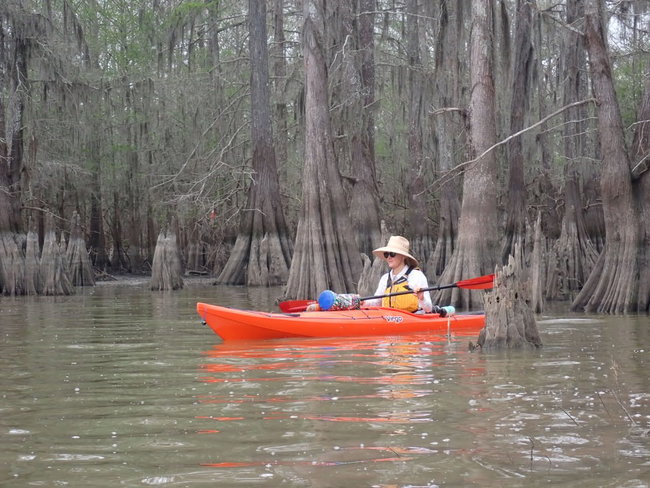
L2: Essentials of River Kayaking
Level 2: Essentials of River Kayaking Skills Course Course Overview The Essentials of River Kayaking course is designed to teach beginner paddlers to safely and enjoyably kayak on gentle rivers. Note: This course outline may be used for both spray skirted kayaks as well as non-spray skirted kayaks. Skills not applicable to non-spray skirted kayaks are followed by the notation: * Course Prerequisites Acknowledgment of personal compliance with the ACA Essential Eligibility Criteria (EEC) Agree to comply with the ACA Code of Conduct No prior paddling experience or training is required to participate in this course Course Duration The course duration should be adjusted to best fit the needs and goals of the participants. Suggested time: Half a day to one day (4-8 hours). Course Location / Accessible Venues Moving water on rivers rated up to and including class I. A rapid class includes rapids at the lower and upper ends of the difficulty range, designated “-“ and “+” respectively. Course Size 5 Participants : 1 Instructor; with an additional qualified assistant, the ratio can be 10 : 2. For additional details, see SEIC Policy Manual Chapter 7. Instructor This course may be offered by Level 2: Essentials of River Kayaking (or higher) ACA Instructors, Instructor Trainers, or Instructor Trainer Educators. Succeeding Courses For all kayaks: Level 2: Essentials of River Kayaking Skills Assessment Level 2: Essentials of River Kayaking Trip Leader Skills Assessment For kayaks with spray skirts only: Level 3: River Kayaking Skills Course and/or Skills Assessment Level 4: Whitewater Kayaking Skills Course and/or Skills Assessment Level 5: Advanced Whitewater Kayaking Skills Course and/or Skills Assessment Course Outline The following is a general summary of course content for the Essentials of River Kayaking skills course. The content covered and sequence of instruction should be adjusted to best fit the participant’s needs, class location and time allowance. Introduction, Expectations, and Logistics Introduction, Expectations, and Logistics: Welcome, introductions, paperwork Student and Instructor course expectations and limitations Course itinerary and site logistics Review waiver, assumption of risk, challenge by choice, medical disclosure About the ACA Life jacket policy (always wear on water) Appropriate personal behavior No alcohol / substance abuse Proper etiquette on and off the water Respect private property Practice Leave No Trace ethics Paddling Environment Wind Waves Weather Water Personal Preparation Personal ability Swimming ability Water comfort and confidence Fitness, conditioning, and warm up Safe paddle and boat handling Safety and rescue considerations Personal equipment (reviewed by Instructor) Judgment. In addition to learning hard skills, the importance of developing personal judgment and group responsibility increases on more difficult paddling venues. Getting Started Warm-up and stretching How to pick up a kayak safely Car topping: loading and unloading, racks, straps Launching and landing Boarding, three points of contact, weight kept low, etc. Posture, safety, comfort, effectiveness, rocking, balance Water comfort and confidence Basic terminology Types of strokes: power, turning Stroke components: catch, propulsion, recovery (CPR), control, correction Safe and effective body usage Equipment Life jackets (PFDs): types, fit Kayaks: types, materials, parts (including safety features such as flotation) Paddles: types, materials, parts, length, blade size and shape, hand position. Spray skirts: types and material, grab loop* Care of equipment Personal equipment: water, food, shoes, hat, sunscreen, bug repellent, sun glasses, eyeglass straps, protective clothing for heat or cold, sponge, bailer/pump, whistle, knife, light Optional equipment and outfitting River Reading Current (cfs), volume, direction, and changes caused by streambed features Safety and Rescue Exercising judgment, safety as a state of mind Principles of Rescue Use of safe rescue strategies such as T-RETHROG (Talk, Reach, Throw, Row, Go) Rescue priorities: people, kayak, paddle, gear Responsibilities of: rescuer, group, swimmers Shoreline rescue: extension rescues Swimming and Wading Skills Understand the risks associated with standing and walking in the types of environments mentioned above (including entanglement and environmental hazards) Strategies to minimize risk of foot entrapment Defensive and aggressive swimming positions, and transitions Techniques for successful exits from current to eddies Self-rescue: swimming with equipment Strategies to conserve energy Strategies for managing strainers in the appropriate venue Kayak-based Rescues Advantages and disadvantages during rescues of various kayaks (e.g., sit-ins, sit-on-tops, recreational kayaks) Calmly exit the kayak after capsize, using proper body position and contact with the kayak and paddle. When exiting the kayak with a spray skirt* after capsize, must be modeled two ways: (1) utilizing the spray skirt grab loop and (2) releasing the spray skirt off the hip Paddle recovery options Strategies for kayak recovery Swimmer tow options Swimmer re-entry / re-mount techniques (e.g., stern entry, heel hook, rescue sling, paddle float) Kayak bumping / bulldozing Kayak towing Kayak specific rescues (e.g., boat over boat, boat to boat, scoop) Unresponsive paddler rescue Emptying water from kayak (e.g., on-shore, bailers, pumps) Throwable Floating Aid / Throw Rope Skills Throwing techniques Receiving techniques Belaying techniques Rope management and safety strategies Rope coiling methods and throwing techniques Maneuvers J-lean / heeling the kayak Paddling in a reasonably straight line Spins Stopping Ferries Eddy turns Peel outs Moving abeam Strokes Forward Back (stopping) Draw Sculling draw Sweep (including stern draw) Reverse sweep Rudder (stern) Low brace Conclusion and Wrap Up Group debrief / individual feedback Course limitations Importance of First Aid and CPR Importance of additional instruction, practice, and gaining experience Importance of appropriate level of safety and rescue training Life sport / paddling options Local paddling groups / clubs Handouts / reference materials Participation cards ACA membership benefits and join process Skills not required for those participants paddling a kayak without a spray skirt. © American Canoe Association Date of last revision: 12/31/2023 https://americancanoe.org This curriculum is managed by the ACA River Kayaking Committee. To connect with the leadership of this committee, please view the SEIC Committee rosters on the ACA website. See skill course overview here: https://americancanoe.notion.site/Level-2-Essentials-of-River-Kayaking-Skills-Course-a4db7942476946bfb80020a3114ffc08?pvs=143
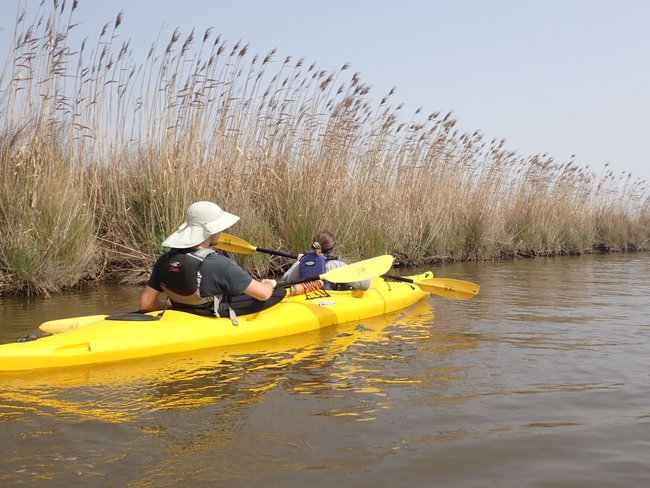
L2: Essentials of Sit-on-Top River Kayaking
Level 2: Essentials of Sit-On-Top River Kayaking Skills Course Course Overview The Essentials of Sit-On-Top Kayaking course is designed as a short program emphasizing safety, enjoyment and skill acquisition for entry level individuals in the public, private and commercial setting. Note: This course is designed for sit-on-top (SOT) kayaks only and this curriculum is meant to highlight this limitation. Participants should understand that rescuing decked kayaks requires additional and separate instruction. Bulkheads are not required; however, some form of flotation must be present to keep the kayak from sinking. Course Prerequisites Acknowledgment of personal compliance with the ACA Essential Eligibility Criteria (EEC) Agree to comply with the ACA Code of Conduct No prior paddling experience or training is required to participate in this course Course Duration The course duration should be adjusted to best fit the needs and goals of the participants. Suggested time: Half a day to one day (4-8 hours). Course Location / Accessible Venues Moving water on rivers rated up to and including class I. A rapid class includes rapids at the lower and upper ends of the difficulty range, designated “-“ and “+” respectively. Course Size 5 Participants : 1 Instructor; with an additional qualified assistant, the ratio can be 10 : 2. For additional details, see SEIC Policy Manual Chapter 7. Instructor This course may be offered by Level 2: Essentials of River Kayaking (or higher) ACA Instructors, Instructor Trainers, or Instructor Trainer Educators. Succeeding Courses Level 2: Essentials of Sit-On-Top Coastal Kayak Touring Skills Course and/or Skills Assessment Level 2: Essentials of River Kayaking Skills Course and/or Skills Assessment Level 3: Sit-On-Top Coastal Kayaking Skills Course and/or Skills Assessment Course Outline The following is a general summary of course content for the Essentials of Sit-On-Top River Kayaking skills course. The content and sequence of instruction should be adjusted to best fit the participant’s needs, class location and time allowance. Introduction, Expectations, and Logistics Introduction, Expectations, and Logistics: Welcome, introductions, paperwork Student and Instructor course expectations and limitations Course itinerary and site logistics Review waiver, assumption of risk, challenge by choice, medical disclosure About the ACA Life jacket policy (always wear on water) Appropriate personal behavior No alcohol / substance abuse Proper etiquette on and off the water Respect private property Practice Leave No Trace ethics Paddling Environment Wind Waves Weather Water Personal Preparation Personal ability Swimming ability Water comfort and confidence Fitness, conditioning, and warm up Safe paddle and boat handling Safety and rescue considerations Personal equipment (reviewed by Instructor) Judgment. In addition to learning hard skills, the importance of developing personal judgment and group responsibility increases on more difficult paddling venues. Equipment Life jackets (PFDs): types, fit Kayaks: types, parts, back bands and safety gear such as pumps Paddles: types, materials, parts, length, blade size, shape and offset, hand position Care of equipment Personal equipment: water, food, shoes, hat, sunscreen, insect repellent, sun glasses, eyeglass straps, protective clothing for heat or cold, sponge, bailer/pump, whistle (or other approved sounding device), knife, light Optional equipment and outfitting for improved control, thigh braces Getting Started Warm-up and stretching How to pick up and carry a kayak safely Car topping: loading and unloading, racks, straps Launching and landing Boarding, three points of contact, weight kept low, etc. Posture, safety, comfort, effectiveness, rocking, balance Wet exits Water comfort and confidence Self-rescue Basic terminology Types of strokes (covered in this course): power, turning, support Stroke components: catch, propulsion, recovery (CPR), control, correction Safe and effective body usage Safety and Rescue Exercising judgment, safety as a state of mind Principles of Rescue Use of safe rescue strategies such as T-RETHROG (Talk, Reach, Throw, Row, Go) Rescue priorities: people, kayak, paddle, gear Responsibilities of: rescuer, group, swimmers From shore Extension Hypothermia / cold water shock: HELP, Huddle, clothing Dehydration / hyperthermia: hydration, clothing Hazards: wind, waves, weather, current, rocks, bridges, piers, dams, strainers, traffic Paddling as a group Signaling Interactions / sharing water with non-powered and powered traffic Emergency procedures Swimming and Wading Skills Understand the risks associated with standing and walking in the types of environments mentioned above (including entanglement and environmental hazards) Strategies to minimize risk of foot entrapment Defensive and aggressive swimming positions, and transitions Techniques for successful exits from current to eddies Self-rescue: swimming with equipment Strategies to conserve energy Strategies for managing strainers in the appropriate venue Kayak-based Rescues Advantages and disadvantages during rescues of various kayaks (e.g., sit-ins, sit on-tops, recreational kayaks) Calmly exit the kayak after capsize, using proper body position and contact with the kayak and paddle. Paddle recovery options Strategies for kayak recovery Swimmer tow options Swimmer re-entry / re-mount techniques (e.g., perpendicular entry, rescue sling, paddle float) Kayak bumping / bulldozing Kayak towing Kayak specific rescues (e.g., boat over boat, boat to boat, scoop) Unresponsive paddler rescue Emptying water from kayak (e.g., on-shore, bailers, pumps) Throwable Floating Aid / Throw Rope Skills Throwing techniques Receiving techniques Belaying techniques Rope management and safety strategies Rope coiling methods and throwing techniques Strokes Forward Back (stopping) Draw Sculling draw Sweep (including stern draw) Reverse sweep Rudder (stern) Low brace Maneuvers J-lean / heeling the kayak Paddling in a reasonably straight line Spins Stopping Ferries Eddy turns Peel outs Moving abeam Conclusion and Wrap Up Group debrief / individual feedback Course limitations Importance of First Aid and CPR Importance of additional instruction, practice, and gaining experience Importance of appropriate level of safety and rescue training Life sport / paddling options Local paddling groups / clubs Handouts / reference materials Participation cards ACA membership benefits and join process © American Canoe Association Date of last revision: 12/31/2023 https://americancanoe.org This curriculum is managed by the ACA River Kayaking Committee. To connect with the leadership of this committee, please view the SEIC Committee rosters on the ACA website. See skill course overview here: https://americancanoe.notion.site/Level-2-Essentials-of-Sit-On-Top-River-Kayaking-Skills-Course-c270258ecc124db2ad65a3e4c70e38e6?pvs=143
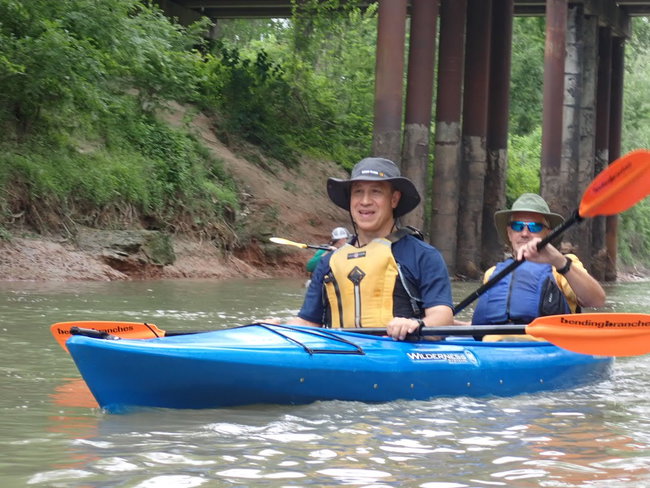
L3: River Kayaking
Level 3: River Kayaking Skills Course Course Overview The River Kayaking course is a program emphasizing safety, enjoyment and skill acquisition for entry-level through intermediate individuals in public, private and commercial settings. Course Prerequisites Acknowledgment of personal compliance with the ACA Essential Eligibility Criteria (EEC) Agree to comply with the ACA Code of Conduct No prior paddling experience or training is required to participate in this course Course Duration The course duration should be adjusted to best fit the needs and goals of the participants. Suggested time: Half a day to one day (4-8 hours). Course Location / Accessible Venues Sections of rivers rated up to and including class I-II, where limited maneuvering in current is required to avoid obstacles. A rapid class includes rapids at the lower and upper ends of the difficulty range, designated “-“ and “+” respectively. Course Size 5 Participants : 1 Instructor; with an additional qualified assistant, the ratio can be 10 : 2. For additional details, see SEIC Policy Manual Chapter 7. Instructor This course may be offered by Level 3: River Kayaking (or higher) ACA Instructors, Instructor Trainers, or Instructor Trainer Educators. Succeeding Courses Level 3: River Kayaking Skills Assessment Level 4: Whitewater Kayaking Skills Course and/or Skills Assessment Level 5: Advanced Whitewater Kayaking Skills Course and/or Skills Assessment Course Outline The following is a general summary of course content for the River Kayaking skills course. The content covered and sequence of instruction should be adjusted to best fit the participant’s needs, class location and time allowance. Introduction, Expectations, and Logistics Introduction, Expectations, and Logistics: Welcome, introductions, paperwork Student and Instructor course expectations and limitations Course itinerary and site logistics Review waiver, assumption of risk, challenge by choice, medical disclosure About the ACA Life jacket policy (always wear on water) Appropriate personal behavior No alcohol / substance abuse Proper etiquette on and off the water Respect private property Practice Leave No Trace ethics Paddling Environment Wind Waves Weather Water Personal Preparation Personal ability Swimming ability Water comfort and confidence Fitness, conditioning, and warm up Safe paddle and boat handling Safety and rescue considerations Personal equipment (reviewed by Instructor) Judgment. In addition to learning hard skills, the importance of developing personal judgment and group responsibility increases on more difficult paddling venues. Getting Started Launching, carries, landing The terminology of paddling (frequently blended in with stroke instruction) Types of strokes: power, turning and bracing Stroke components: catch, propulsion, recovery, control, and correction Effective body usage and biokinetics Use of larger torso muscles Arms as struts connecting paddle to torso Avoidance of positions that contribute to shoulder injury or dislocations River Reading Fundamentals of River Currents Current speed, direction and changes caused by streambed features Downstream and upstream V's / chutes Eddies / eddy lines Waves / wave holes Bends Effects of obstacles Ledges / horizon lines Strainers and sieves Rocks / pillows Holes / hydraulics Other hazards Power of the current / river level Cold water Dams, flow diversion structures, pipelines Undercut rocks / ice International Scale of River Difficulty (handout: American Whitewater Safety Code) River Running Strategies for running rivers How to paddle in current Spacing / avoid "tunnel vision" Scouting From boat / from shore How to establish the "best" route/ “Plan B" Portaging hazards Group organization on the river Group cohesiveness (lead, sweep boats, etc.) Universal River Signals System Emergency procedures Equipment Life jackets (PFDs): types, fit Helmet: types, fit Kayak: types, materials, flotation, parts (including safety features: walls, foot braces, grab loops) Kayak outfitting: comfort and safety; back rests, hip pads Paddle: types, parts, length, blade size and shape, fitting, hand position Spray skirts: types and material, grab loop Care of equipment Personal equipment: water, food, shoes, sunscreen, bug spray, sun glasses, eyeglass straps, protective clothing for heat or cold, sponge, hat, foot protection, whistle Car topping: loading and unloading, racks, tie down Safety and Rescue Principles of Rescue Use of safe rescue strategies such as T-RETHROG (Talk, Reach, Throw, Row, Go) Rescue priorities: people, kayak, paddle, gear Responsibilities of: rescuer, group, swimmers Shoreline rescue - extension rescues Pinned craft Swimming and Wading Skills Understand the risks associated with standing and walking in the types of environments mentioned above (including entanglement and environmental hazards) Strategies to minimize risk of foot entrapment Strengths, limitations, advantages, disadvantages, and risks of wading techniques Actively participate in scenarios that apply wading skills for rescues Defensive and aggressive swimming positions, and transitions Techniques for successful exits from current to eddies Self-rescue: swimming with equipment Strategies to conserve energy Techniques for successful downstream swim of a rapid Swimming techniques for: waves, hydraulics, and drops Strategies for managing strainers in the appropriate venue Kayak-based Rescues Advantages and disadvantages during rescues of various kayaks (e.g., sit-ins, sit-on-tops, recreational kayaks) Calmly exit the kayak after capsize, using proper body position and contact with the kayak and paddle. When exiting the kayak with a spray skirt after capsize, must be modeled two ways: (1) utilizing the spray skirt grab loop and (2) releasing the spray skirt off the hip Paddle recovery options Strategies for kayak recovery Swimmer tow options Swimmer re-entry / re-mount techniques (e.g., stern entry, heel hook, rescue sling, paddle float) Kayak bumping / bulldozing Kayak towing Kayak specific rescues (e.g., boat over boat, boat to boat, scoop) Unresponsive paddler rescue Emptying water from kayak (e.g., on-shore, bailers, pumps) Throw Rope Skills Throwing techniques Receiving techniques Belaying techniques Rope management and safety strategies Rope coiling methods and throwing techniques Maneuvers Spins (onside and offside): kayak pivots in place Forward: kayak moves in reasonably straight line Reverse: kayak moves in a reasonably straight line Stopping: kayak stops within a reasonable distance Turns: kayak turns in broad arc made while underway Veering, carving, and paddling the “inside circle” Abeam: kayak moves sideways without headway Sideslips: kayak moves sideways with headway Strokes Forward sweep (aggressive and reactive techniques) Reverse sweep Stern draw Bow draw Forward Back Low and high braces Bow draw and Duffek Stationary draw Sculling draw Optional at Instructors’ discretion: Roll (Taught by a Level 3 instructor with Kayak Rolling endorsement or Level 4 or Level 5 Kayak Instructors) Whitewater Practice Ferries Eddy turns Peel outs Wide (exit wide from eddy line) Shallow (exit close to eddy line) Sequences of Maneuvers C-turns (peel-out and eddy into same eddy) S-turns (peel-out one side and eddy into opposite side) Surfing (for whitewater course only) Conclusion and Wrap Up Group debrief / individual feedback Course limitations Importance of First Aid and CPR Importance of additional instruction, practice, and gaining experience Importance of appropriate level of safety and rescue training Life sport / paddling options Local paddling groups / clubs Handouts / reference materials Participation cards ACA membership benefits and join process © American Canoe Association Date of last revision: 12/31/2023 https://americancanoe.org This curriculum is managed by the ACA River Kayaking Committee. To connect with the leadership of this committee, please view the SEIC Committee rosters on the ACA website. See skill course overview here: https://americancanoe.notion.site/Level-3-River-Kayaking-Skills-Course-17c3a587aedb8008a2d2da98b00e978f?pvs=143
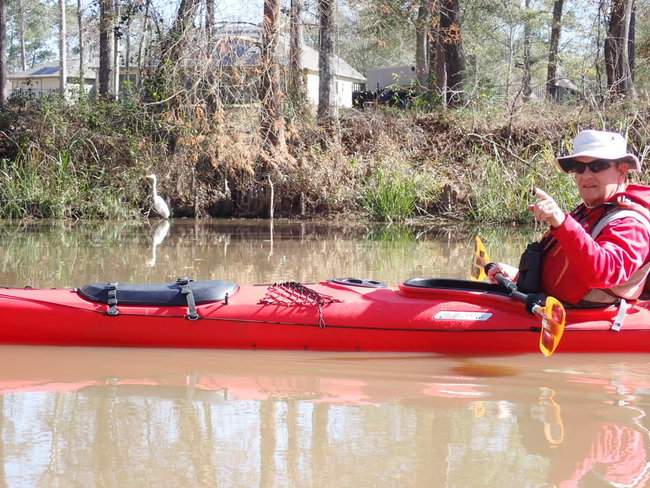
L3: Sit-on-Top River Kayaking
Level 3: Sit-On-Top River Kayaking Skills Course Course Overview The Sit-On-Top River Kayaking course is a program emphasizing safety, enjoyment and skill acquisition for entry-level through intermediate individuals in public, private and commercial settings. Note: This course is designed for sit-on-top (SOT) kayaks only and this curriculum is meant to highlight this design. Participants should understand that paddling and rescuing decked kayaks requires additional and separate instruction. Bulkheads are not required; however, some form of flotation must be present to keep the kayak from sinking such as flotation built within the kayak’s hull. Course Prerequisites Acknowledgment of personal compliance with the ACA Essential Eligibility Criteria (EEC) Agree to comply with the ACA Code of Conduct No prior paddling experience or training is required to participate in this course Course Duration The course duration should be adjusted to best fit the needs and goals of the participants. Suggested time: Half a day to one day (4-8 hours). Course Location / Accessible Venues Sections of rivers rated up to and including class I-II, where limited maneuvering in current is required to avoid obstacles. A rapid class includes rapids at the lower and upper ends of the difficulty range, designated “-“ and “+” respectively. Course Size 5 Participants : 1 Instructor; with an additional qualified assistant, the ratio can be 10 : 2. For additional details, see SEIC Policy Manual Chapter 7. Instructor This course may be offered by Level 3: Sit-On-Top River Kayaking or Level 3: River Kayaking (or higher) ACA Instructors, Instructor Trainers, or Instructor Trainer Educators. Succeeding Courses Level 3: Sit-On-Top River Kayaking Skills Assessment Level 3: River Kayaking Skills Course Level 2: Essentials of Sit-On-Top Kayak Touring Skills Course Level 3: Sit-On-Top Coastal Kayaking Skills Course Course Outline The following is a general summary of course content for the Sit-On-Top River Kayaking skills course. The content covered and sequence of instruction should be adjusted to best fit the participant’s needs, class location and time allowance. Introduction, Expectations, and Logistics Introduction, Expectations, and Logistics: Welcome, introductions, paperwork Student and Instructor course expectations and limitations Course itinerary and site logistics Review waiver, assumption of risk, challenge by choice, medical disclosure About the ACA Life jacket policy (always wear on water) Appropriate personal behavior No alcohol / substance abuse Proper etiquette on and off the water Respect private property Practice Leave No Trace ethics Paddling Environment Wind Waves Weather Water Personal Preparation Personal ability Swimming ability Water comfort and confidence Fitness, conditioning, and warm up Safe paddle and boat handling Safety and rescue considerations Personal equipment (reviewed by Instructor) Judgment. In addition to learning hard skills, the importance of developing personal judgment and group responsibility increases on more difficult paddling venues. Getting Started Launching, carries, landing Securing kayak for transport using proper tie downs, straps, or knots (figure 8 or bowline, truckers hitch, and 2 half hitches) The terminology of paddling (frequently blended in with stroke instruction) Types of strokes: power, turning and bracing Stroke components: catch, propulsion, recovery, control, and correction Effective body usage and biokinetics Use of larger torso muscles Arms as struts connecting paddle to torso Avoidance of positions that contribute to shoulder injury or dislocations River Reading Fundamentals of River Currents Current speed, direction and changes caused by streambed features Downstream and upstream V's / chutes Eddies / eddy lines Waves / wave holes Bends Effects of obstacles Ledges / horizon lines Strainers and sieves Rocks / pillows Holes / hydraulics Other hazards Power of the current / river level Cold water Dams, flow diversion structures, pipelines Undercut rocks / ice International Scale of River Difficulty (handout: American Whitewater Safety Code) River Running Strategies for running rivers How to paddle in current Spacing / avoid "tunnel vision" Scouting From boat / from shore How to establish the "best" route/ “Plan B" Portaging hazards Group organization on the river Group cohesiveness (lead, sweep boats, etc.) Universal River Signals System Emergency procedures Equipment Life jackets (PFDs): types, fit Helmet: types, fit Kayak: types, materials, flotation, parts (including safety features: walls, foot braces, grab loops) Kayak outfitting: comfort and safety; back rests, thigh straps, foot braces Paddle: types, parts, length, blade size and shape, fitting, hand position Care of equipment Personal equipment: water, food, shoes, sunscreen, bug spray, sun glasses, eyeglass straps, protective clothing for heat or cold, sponge, hat, foot protection, whistle Car topping: loading and unloading, racks, tie down Safety and Rescue Principles of Rescue Use of safe rescue strategies such as T-RETHROG (Talk, Reach, Throw, Row, Go) Rescue priorities: people, kayak, paddle, gear Responsibilities of: rescuer, group, swimmers Shoreline rescue - extension rescues Pinned craft Swimming and Wading Skills Understand the risks associated with standing and walking in the types of environments mentioned above (including entanglement and environmental hazards) Strategies to minimize risk of foot entrapment Strengths, limitations, advantages, disadvantages, and risks of wading techniques Actively participate in scenarios that apply wading skills for rescues Defensive and aggressive swimming positions, and transitions Techniques for successful exits from current to eddies Self-rescue: swimming with equipment Strategies to conserve energy Techniques for successful downstream swim of a rapid Swimming techniques for: waves, hydraulics, and drops Strategies for managing strainers in the appropriate venue Kayak-based Rescues Advantages and disadvantages during rescues of various kayaks (e.g., sit-ins, sit-on-tops, recreational kayaks) Calmly exit the kayak after capsize, using proper body position and contact with the kayak and paddle Paddle recovery options Strategies for kayak recovery Swimmer tow options Swimmer re-mount techniques (e.g., perpendicular entry, rescue sling, paddle float) Kayak bumping / bulldozing Kayak towing Kayak specific rescues (e.g., boat over boat, boat to boat, scoop) Unresponsive paddler rescue Emptying water from kayak (e.g., scupper holes, on shore, bailers, pumps) A safe and effective self-rescue with re-mount in class I-II while remaining in current Throw Rope Skills Throwing techniques Receiving techniques Belaying techniques Rope management and safety strategies Rope coiling methods and throwing techniques Maneuvers Spins (onside and offside): kayak pivots in place Forward: kayak moves in reasonably straight line Reverse: kayak moves in a reasonably straight line Stopping: kayak stops within a reasonable distance Turns: kayak turns in broad arc made while underway Veering and carving Abeam: kayak moves sideways without headway Sideslips: kayak moves sideways with headway Strokes Forward sweep (aggressive and reactive techniques) Reverse sweep Stern draw Bow draw Forward Back Low and high braces Bow draw Stationary draw Draw and sculling draw Whitewater Practice Ferries Eddy turns Peel outs Wide (exit wide from eddy line) Shallow (exit close to eddy line) Sequences of Maneuvers C-turns (peel-out and eddy into same eddy) S-turns (peel-out one side and eddy into opposite side) Surfing (for whitewater course only) Conclusion and Wrap Up Group debrief / individual feedback Course limitations Importance of First Aid and CPR Importance of additional instruction, practice, and gaining experience Importance of appropriate level of safety and rescue training Life sport / paddling options Local paddling groups / clubs Handouts / reference materials Participation cards ACA membership benefits and join process © American Canoe Association Date of last revision: 1/15/2023 https://americancanoe.org This curriculum is managed by the ACA River Kayaking Committee. To connect with the leadership of this committee, please view the SEIC Committee rosters on the ACA website. See skill course overview here: https://americancanoe.notion.site/Level-3-Sit-On-Top-River-Kayaking-Skills-Course-87aeeb0e419a4c11a9416c2d3701b4ac?pvs=143
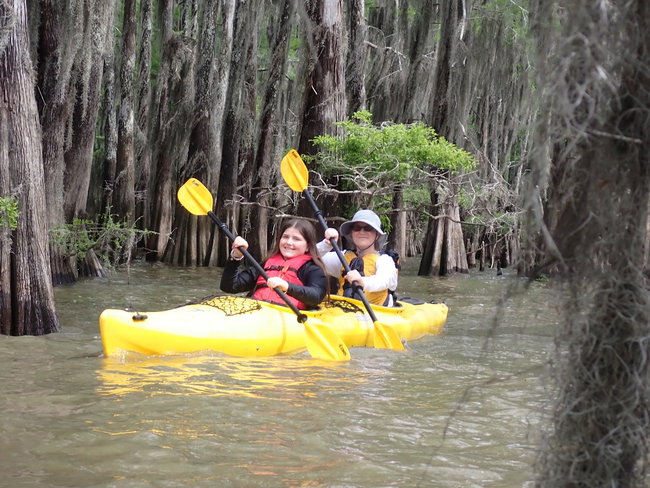
Smart Start Kayaking
Smart Start for Safe Paddling Certification Criteria - Kayak Module Course Overview We expect Smart Start for Safe Paddling facilitators to be able to effectively maneuver their craft and demonstrate competent rescue techniques. This certification allows the facilitator to introduce paddlecraft safety and knowledge to the beginner paddler in a land-based setting. This module is to be taught in conjunction with the Smart Start for Safe Paddling General Knowledge Module. This program was formerly known as “Paddlesports Safety Facilitator” and was officially re-branded as “Smart Start for Safe Paddling” in October 2025. If you’re a student who would like resources to prepare for this course, ACA is pleased to provide the Smart Start for Safe Paddling suite of resources, which features a comprehensive resource book, student activity workbook, facilitator’s guide, and free online coursework. The 100% free Smart Start for Safe Paddling interactive online course can be found here. A certificate of completion is included! This is a 4-year, non-renewable certification. Course Prerequisites Acknowledgment of personal compliance with the ACA Essential Eligibility Criteria (EEC) Be a current ACA Member Understands and acts in accordance with ACA's Code of Conduct Course Duration General Knowledge Module Duration: Minimum of 4 hours Discipline Specific Module Duration: Minimum of 1 hour per module Course Location / Accessible Venues Flat water, protected from wind, waves and outside boat traffic, with current less than 0.5 knots and within swimming distance of shore. Course Size 12 Participants : 1 Instructor; with an additional qualified assistant, the ratio can be 24 : 2. The maximum number of participants permitted is 24. Who Can Teach This Course This course may be offered by currently certified ACA: Level 3 Kayak Instructors (or higher) Level 1 and 2 Kayak Instructors with a Smart Start for Safe Paddling Endorsement. If the ACA Instructor would like to offer this course in another discipline (Canoe or SUP), they must have, at minimum, an ACA Level 1 Skills Award in that additional discipline to offer that module Leader Trainers (or higher) Guide Trainers (or higher) Level 1 (or higher) Instructor Trainer or Instructor Trainer Educator as described below Endorsements Endorsements can be given by any currently certified ACA Level 1 (or higher) Instructor Trainer or Instructor Trainer Educator. If the ACA Instructor Trainer or Instructor Trainer Educator would like to offer the Smart Start for Safe Paddling endorsement to an instructor certified in a different discipline, the IT or ITE must have, at minimum, an ACA Level 1 Skills Award in that discipline. Succeeding Courses Level 1: Intro to Kayaking, Canoeing, SUP, or Packrafting Skills, Assessment, or Certification Course Community Paddlesports Leader (CPL) Certification Course Paddlesports Leader (PL) Certification Course General Requirements for all ACA Smart Start for Safe Paddling Certification Candidates Be at least 16 years old Be a full ACA member Successfully complete the General Module Successfully complete at least one of the discipline specific modules: Canoe, Kayak, or SUP Successfully complete the written exam Demonstrate a general knowledge of paddlesports and the ACA Smart Start for Safe Paddling Certification Maintenance Requirements Maintain ACA membership annually This is a 4-year, non-renewable certification. The following is a list of the criteria used to evaluate Facilitator Candidates. The content and sequence of evaluation should be adjusted to best fit the participant’s needs, class location, and time allowance. Kayak Module Requirements Demonstrate the ability to: Load and unload a kayak Carry the kayak to and from the water Entry/Exit from the shore or dock Determine trim of the kayak Demonstrate the ability to perform swimming and wading techniques and concepts effectively: Understand the risks associated with standing and walking in the types of environments mentioned above (including entanglement and environmental hazards) Understand the pros and cons of different swimming positions Self-rescue: swimming with equipment Strategies to conserve energy Demonstrate the ability to teach and model kayak-based rescue techniques and concepts effectively, and as appropriate to craft. Maneuver the kayak to rescue a person in the water and the capsized boat Advantages and disadvantages during rescues of various kayaks (e.g., sit-ins, sit-on-tops, recreational kayaks) Calmly exit the kayak after capsize, using proper body position and contact with the kayak and paddle. Paddle recovery options Strategies for kayak recovery Swimmer tow options Swimmer re-entry / re-mount techniques (e.g., stern entry, heel hook, rescue sling, paddle float) Kayak bumping / bulldozing Kayak towing Kayak specific rescues (e.g., boat over boat, boat to boat, scoop) Unresponsive paddler rescue Emptying water from kayak (e.g., on-shore, bailers, pumps) Satisfactorily complete the General Module Successfully complete the Smart Start for Safe Paddling Exam Conclusion and Course Wrap Up Group debrief / individual feedback Course limitations Importance of First Aid and CPR Importance of additional instruction, practice, and gaining experience Importance of appropriate level of safety and rescue training Life sport / paddling options Local paddling groups / clubs Handouts / reference materials ACA membership benefits and renewal process Course Management System (CMS) access for credentials and training history © American Canoe Association Date of last revision: 10/28/2025 https://americancanoe.org This curriculum is managed by the ACA Introduction to Paddling (IPC) Committee. To connect with the leadership of this committee, please view the SEIC Committee rosters on the ACA website. See skill course overview here: https://americancanoe.notion.site/Smart-Start-for-Safe-Paddling-Certification-Criteria-Kayak-Module-d4fe7a664be6495d86a1e14e5da32f39?pvs=143