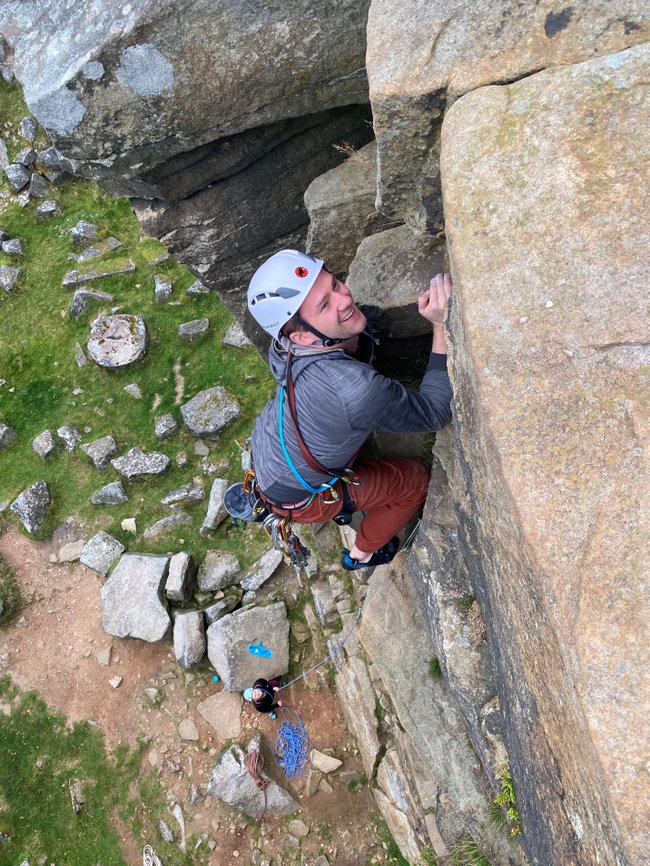
Rock Climbing - Learning to Lead 'Trad'
Traditional lead climbing courses - are taught on single pitch crags / cliffs. Our approach to accomplishing the best outcome for our clients is carefully considered. The progressive skills coaching formula we use has evolved over many years of delivering safe and technical outdoor training. Whether sport climbing on fixed protection is your goal or 'Trad' climbing with hand placed gear, the safety management processes we use will give you the capacity to make sound judgement calls and embark confidently on a safe independent climbing pathway. If you have climbed indoors or seconded routes outside before and you would like to expand your involvement in the sport, outdoors on natural rock then learning how to lead climb is the next progression forward. Participants on these courses must accept that there is an increased element of risk. Participants must accept that they may not always be protected by a safety rope from above during this course.ItineraryThis course covers background and planning. Selecting suitable venues and routes, how to use guidebooks and mobile devices to find crags and routes, crag etiquette, the importance of the climbing partnership and the work of the mountaineering councils. Climbing Skills. Safe and assured movement when leading climbs and optimising natural rests for placing gear. Equipment: Ropes and technical equipment for lead climbing, contents of a lead rack and how to carry it, selection and function of gear. Technical Skills: Selection and placement of suitable gear to protect leader and second, choosing anchors, effective ropework, attaching to multiple anchors, belaying, holding leader and second falls in a controlled environment. Environmental Knowledge. The impact of climbers at the crag, ethics and environmental considerations for climbers. Hazards and Emergency Procedures: Identifying hazards, decision making and managing risk, understanding common injuries, what to do in the event of an incident, managing common problems, how to get help and learning how Mountain Rescue works. Inclusions What you'll need 🧤 Warm Clothing - Be prepared for changeable weather bring along at lease 1 windproof and 1 warm layer ☂️ Waterproofs - Bring waterproof tops and bottoms
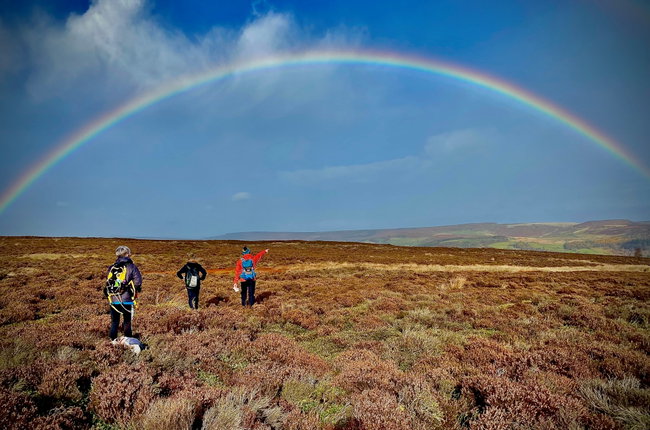
Beginner Hill Walking Skills Course
The Hill Walking Skills Course is your key to getting started in countryside and moorland walking. There is no experience of hill walking required to attend a course because the content of the course is aimed at beginners. If you do have some experience of hill walking but aren’t confident about planning walks, navigating and understanding the equipment required, then the Beginner Hill Walking Skills course is an ideal way to learn.Day 1Day 1 and 2 described holistically During a Hill Walking Skills course, you can expect to start each day at about 9am. The first part of the course is spent indoors, getting to know the other people on the course and gaining an understanding of basic hill walking planning. The Tutor will outline the plans for the course before you head out into the hills. The end of the day will usually involve a short indoor session to review the day and plan the following day’s outing. You can expect to be out walking each day for around 4-5 hours and generally on Hill Skills courses this will be on footpaths or trails that are rough underfoot. Much of the journey during the course will involve learning opportunities and as such, the pace of the day is friendly and will include plenty of breaks.Day 2Planning How to successfully plan a hill walk in the UK or Ireland. Walking skills – what things should you consider while out walking and what can make life easier (pace, nutrition, movement skills etc.). Clothing and equipment – being suitably dressed and equipped can make the difference between a great day out and a complete disaster. Weather, and how it affects the hills and your day out. Navigation in the hills, everything from selecting a compass to navigation strategies and an intro to GPS. Environmental knowledge – how to minimise your impact on the hill and information on good practice and useful organisations. Hazards and emergency procedures in the hills – how to respond to any hazards you encounter and what to do in an emergency Inclusions What you'll need 🧤 Warm Clothing - Warm and windproof clothing 🍴 Food - packed lunch 🥤 Drink - Yes
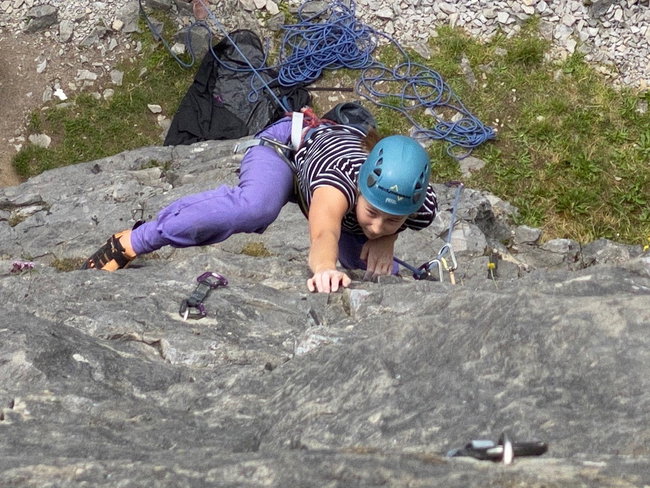
Learn to Lead - Sport Climbing
The Learn to Lead Sport Climbs course will provide you with the skills you need to participate in bolted sport climbing, including an introduction to leading bolt protected climbs. This course is also perfect if you are ready to progress to leading sport routes outside, if you are looking to improve your lead climbing confidence or refresh your leading skills. This course does not cover the skills required for leading trad routes.Day 1Background and Planning. Choosing suitable venues and routes, how to use guidebooks and mobile devices to find crags and routes, Crag etiquette, the importance of the climbing partnership, the work of the mountaineering councils. Climbing Skills. Safe and assured movement on the lead and optimising natural rests for clipping bolts. Equipment. Ropes and technical equipment for sport climbing. Technical Skills. Fixed equipment, anchors, ropework, belaying, holding/taking falls in a controlled environment, lowering, lower offs and abseiling. Environmental Knowledge. The impact of climbers at the crag, ethics, access and environmental considerations for climbers. Hazards and Emergency Procedures. Identifying hazards, decision making and managing risk, understanding common injuries, what to do in the event of an incident, managing common problems, how to get help and the role of the Mountain Rescue.Day 2Background and Planning. Choosing a suitable venue, how to use guidebooks and mobile devices to find crags and routes, crag etiquette and the work of the mountaineering councils. Climbing Skills. Warming up and injury avoidance, developing your movement skills and widening your repertoire of climbing moves. Footwear and Equipment. Rock boot fit, selecting the right equipment for improved performance and an introduction to climbing protection. Technical Skills. Building anchors, selecting runners, ropework, belaying, holding falls, lowering, seconding a route and personal abseiling. Environmental Knowledge. The impact of climbers at the crag, ethics, access and environmental considerations. Hazards and Emergency Procedures. Identifying hazards, managing risk when climbing, abseiling and bouldering, understanding common injuries, how to get help and the role of mountain rescue teams. Inclusions What's Included 🧰 Equipment - We will supply all necessary equipment to deliver the course. What you'll need 🧤 Warm Clothing - Bring a warm layer and a windproof layer ☂️ Waterproofs - Waterproofs required
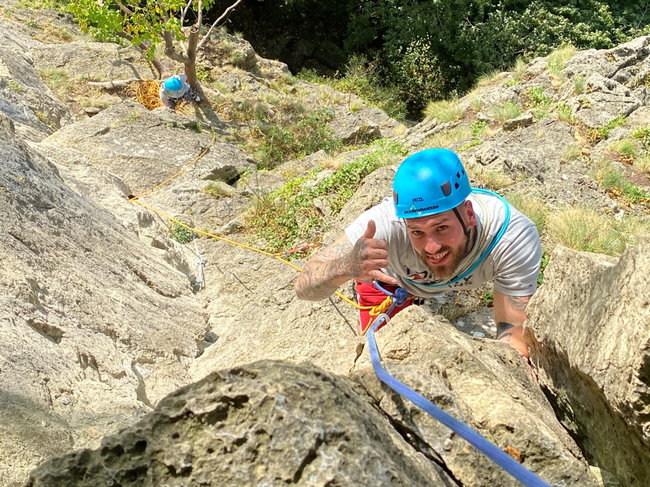
Multi Pitch Rock Climbing - Guiding Day
Either as a top end experience day - or to upskill your climbing knowhow. If you're looking for a good psychological and physical challenge then this kind of day out might just hit that spot! This day takes place on the higher cliffs - on climbs that require at least one intermediate stance to enable completion of the route. The routes are descended by a 'stacked abseil' - The abseil is not for the faint hearted! This is a technical, physical and psychological day out - for that reason we spend some time in the morning looking at movement skills, belaying and rehearsing the technical skills to make for a successful afternoon. ItineraryHave a full on day! Finish with drinks and smiles Inclusions What you'll need 🧤 Warm Clothing ☂️ Waterproofs 🍴 Food 🥤 Drink
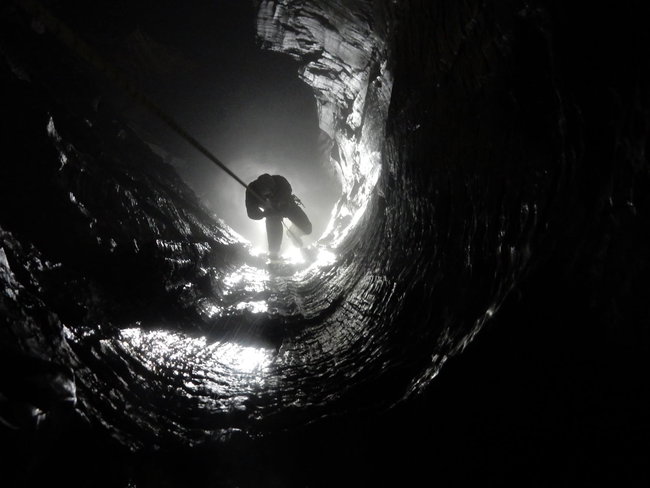
Vertical Caving Course - SRT
Vertical Skills for Cavers At Pro-Venture, we understand that technical handbooks cannot convey the breadth of experience required to mesh individual techniques fluidly and integrate them into practical real time situations experienced on caving trips. We have spent decades developing our approach to 'best fit' the needs of caving clubs, expedition caving parties, instructor training and skills development sessions for those with a desire to learn the ropes.Day 1At Pro-Venture, we understand that technical handbooks cannot convey the breadth of experience required to mesh individual techniques fluidly and integrate them into practical real time situations experienced on caving trips. We have spent decades developing our approach to 'best fit' the needs of caving clubs, expedition caving parties, instructor training and skills development sessions for those with a desire to learn the ropes properly and systematically. See also comment for day 2 Please note that a good proportion of this course will be spent underground.Day 2Whatever the skills you’re targeting, At Pro-Venture we believe knowing what not to teach is equally as important as the techniques we do teach. We use a ‘building block’ style methodology for teaching new technical skills. Building up from the skills you already know, and using the equipment you are presently familiar with. Once the foundations are solid, the efficiencies and the technical progressions will quickly follow. Drawing down on the experiences gained over 30 years in the UK and overseas – training sessions are kept practical, engaging and based on real world scenarios. Technical caver training usually takes place in a dry comfortable environment which supports faster learning. This alleviates the threat of any small technical mistake becoming anything serious in a more hostile cave environment. Reminder: All vital outdoor skills should be practiced frequently to avoid any possibility of skill fade. Skill fade is a key contributor in complicating otherwise salvageable situations. AVAILABILITY All year DURATION 1-2 Days Inclusions What's Included 🧰 Equipment - All ropes, technical hardware, any items of SRT Kit and vertical caving gear - any other caving equipment required. What you'll need 🧤 Warm Clothing - Standard underground gear - speak to us if unclear ☂️ Waterproofs - Caving suit - we have some available at no extra cost if
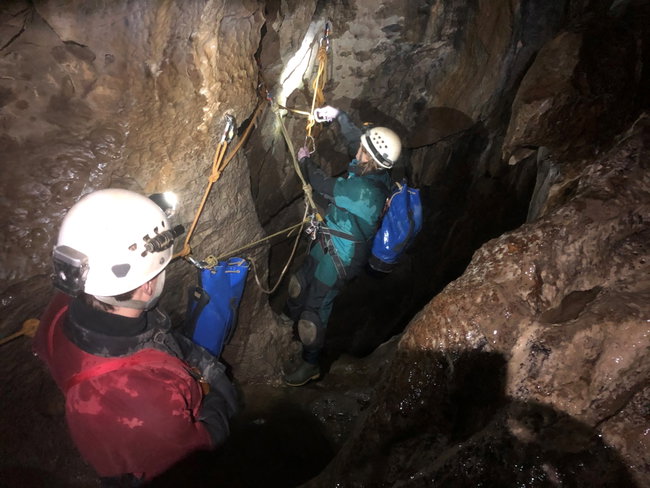
Rope Rigging for Cavers
This is a practical rigging course for SRT proficient cavers. This course is available over 1 or 2 days. The 1 day course will deal with simple straightforward simple rigging techniques - the 2 day option will look at more complex rigging using re belays, deviations and more advanced rigging techniques. ItineraryDay 1 Will begin with an experience checkout, some basic knot tying and some simple rigging in a none threatening environment for best learning practice. The pitches on Day 1 will be short, straight forward and will focus on the 'thinking and linking' principle to get some solid safe guiding principles embedded using both natural and drilled protection. Day 2 is highly recommended to help consolidate learning and give participants the scope to safely rig in a diversity of venues. The training will be directed and organised by a current C.I.C award holder (Cave Instructor) Inclusions What's Included 🧰 Equipment - All ropes and technical equipment is included in the price What you'll need 🧤 Warm Clothing - Clothing suitable for up to 6 hours underground ☂️ Waterproofs - Should be available for outside training venues 🍴 Food - Underground snack 🥤 Drink - Suitable Drinks for 6 hours underground
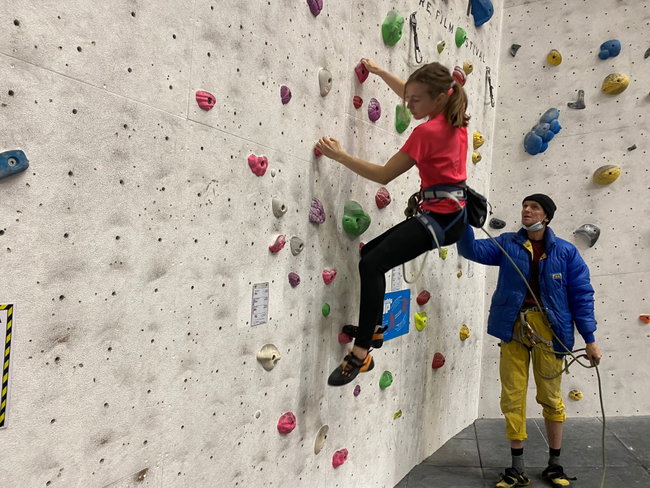
Indoor Climbing Course
This 8 hour course is pitched to give participants the essential skills, necessary to enable independent (safe) access to any UK climbing wall. The course covers all of the critical safety points that any commercial (UK) climbing wall would test or set out in their 'terms and conditions' before allowing access to their facilities. We consider essential equipment, knot tying, use of assisted and unassisted breaking devices, responsive belaying techniques, hazards awareness, auto belays, other users, warming up, injury avoidance, fundamental movement skills, bouldering and the conditions of entry at most walls.ItineraryRegister with the climbing wall, walk through and talk through the facilities at the wall. Complete a simple warm up / pulse raiser routine and take part in some mobilisation exercises prior to taking part in some easy bouldering. Moving onto the facilities 'insitu' roped climbs we will look at good tying in habits, buddy checking and dynamic / responsive belaying practices. Next comes lowering off and holding a fall. Participants will be given the opportunity to consider different belay devices and experiment on different thickness of ropes. Prior to the end of the day some time will be spent on the auto belay facilities before a warming down and stretching off. Inclusions What you'll need 🧤 Warm Clothing ☂️ Waterproofs 🍴 Food 🥤 Drink
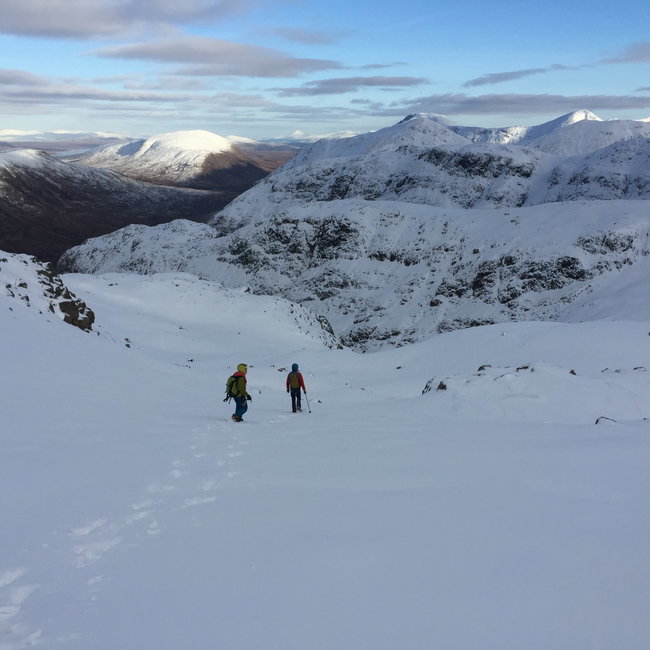
Winter Mountain Walking
Join us in the Highlands of Scotland for an outstanding week of Winter mountaineering. During the winter season Scotland’s mountains are at their most majestic. The swiftly changing weather conditions can make mountaineering in Scotland vary from the arduous to the heavenly. Regardless of weather conditions mountaineering in the Scottish Highlands will be an unforgettable experience and should be on the wish list of all aspiring hill and mountain walkers.Day 1This 5 day long course is specifically designed to make you a safer, more informed winter operator. Building on your summer hill and mountain walking skills we aim to develop your awareness of the winter environment, sharpen your weather eye, school you in the use of axe and crampons and involve you in the considerations of safe travel in the winter hills and mountains. On winter mountain courses, there are a lot of variables. As a good starting point we assess priorities and needs. We do this in order to manage expectations while operating in the winter hills. Therefore the first day is often relaxed in regards to content and we will work with the conditions; soft snow = boot work, hard snow = crampon work. Safe travel (avalanche avoidance) and avalanche education will be an ongoing theme throughout the course process. Daily avalanche reports and prevailing weather conditions will become part of daily planning. The aim being to create good planning habits leading to personal independence in the winter hills.Day 2A reasonable level of physical fitness is required for joining us on the winter mountain courses. From our bases in the Cairngorm National Park or the Western Highlands each day we will build up your skills and winter knowledge finishing the week with the participants planning their own mountain Journey, using their new skills to avoid threatening snow slopes, safeguard their team members and accomplish a winter Monroe or two. Inclusions Accommodation - Comfort Lodge type accommodation - very comfortable with shared communal areas What's Included 🍴 Food - Catered Chalet - full board with packed lunch included 🥤 Drink - Drinks are not included in the price 🧰 Equipment - Let us know what equipment is required in advance of these courses. What you'll need 🧤 Warm Clothing - A full set of winter gear capable of withstanding Scottish weather is absolutely essential - a minimum of 3 pairs of hard shell gloves. B2 boots. ☂️ Waterproofs - A good bomb proof set of waterproofs are essential for attending this course
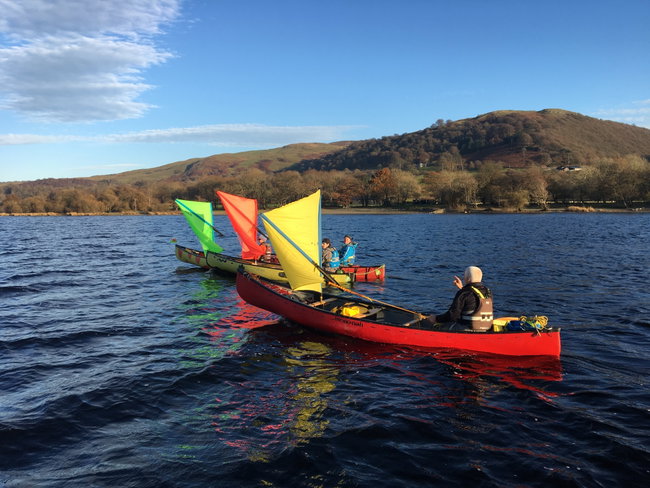
Beginners Canoeing
A welcoming opportunity for any beginner to get in a boat and give it a try! The emphasis at the introductory levels are simply enjoyment, steady progress on the water and the acquisition of a few practical skills. Much of the learning will be achieved through playful activity. The sessions will be perfectly pitched for the group through a process of continuous observation and by responding to your boat handling abilities.ItineraryPro-Venture is the ideal partner to share your first canoeing experience with. By use of skillful coaching techniques our instructors and leaders will carefully build up your confidence in the relative safety of the shoreline / bankside areas, before venturing into any expansive areas of water or flowing rivers. All of our canoeing activities are person focused or centered around the dynamic of the group. Prior to booking we encourage a brief discussion by email or telephone to help determine the most appropriate venue for your session or day. Although delivery will share some common foundation skills, each session is centered on the aspirations of the client group taking into account weather conditions, water levels and any other previous experience.
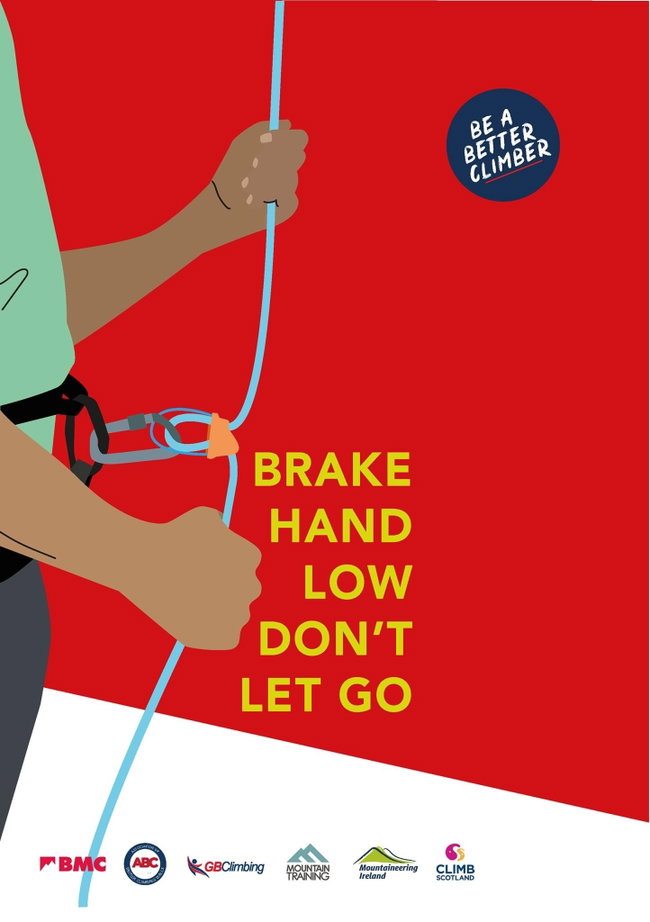
Indoor lead climbing Skills
Lead climbing is the obvious, natural progression route in climbing from use of fixed ropes or from Bouldering.. Being able to lead climb not only adds an extra dimension, but simply opens up a greater number of routes. This is especially true of big overhanging walls which are not easily protected by top-ropes and auto-belays. This course is all about raising and training awareness and preventing avoidable incidents. Lead climbing brings extra risk, so before embarking on this stage of your climbing journey, it is sensible to learn how to lead climb properly. How to clip, when to clip, when to squeeze in those tactical rests and how to fall. You will also need to know how to belay a leader and how to hold a leader fall. These are all essential parts of an indoor learn to lead course. Additionally we will train you to understand the forces involved in falling and how far you could fall if you or the belayer isn’t paying full attention. Inclusions What you'll need 🧤 Warm Clothing 🍴 Food 🥤 Drink
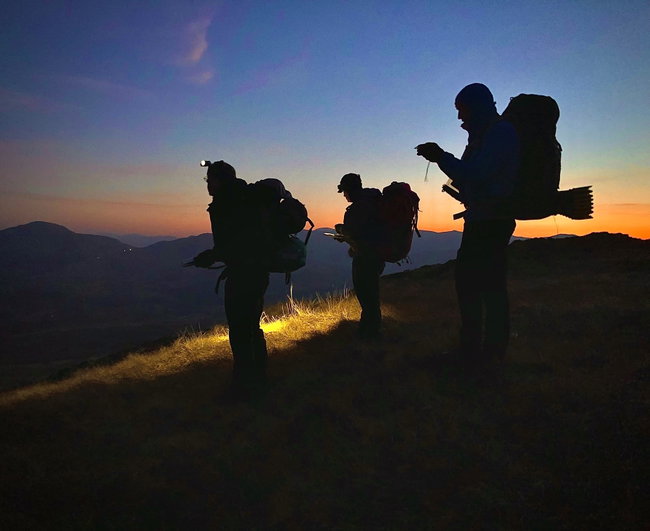
Improver Hill Walking Skills
The Improver Hillwalking Course is an ideal choice for walkers interested in transferring their walking skills to more challenging terrain. Ideally, participants would have some basic hill walking experience and have a reasonable level of fitness. Courses are run in the higher moorland areas of the UK and Ireland.Day 1The Improver course is an ideal choice for walkers interested in transferring their walking skills to more challenging terrain. Ideally, participants would have some basic hill walking experience and have a reasonable level of fitness. Courses are run in the higher mountain areas of the UK and Ireland. SEE ALSO DAY 2 DESCRIPTIONDay 2An Improver Hill Walking course will start with an opportunity to meet the other people on the course and take part in a short planning session with the Tutor. After that you will be out in the moors, moving away from marked paths and into steeper, rockier terrain in order to learn about the differences in weather, navigation and managing risk in more remote environments. The physical effort required on these days will be more demanding than the beginer course and you can expect to be out in the hills for between 5-6 hours. In addition, we may run an evening session that can either be a walk into darkness or an additional teaching session on other elements of the course syllabus. Inclusions What you'll need 🧤 Warm Clothing - Good modern synthetic clothing designed for warmth and movement ☂️ Waterproofs - A good set of waterproofs - top and botom. 🍴 Food - Packed Lunches 🥤 Drink - Yes
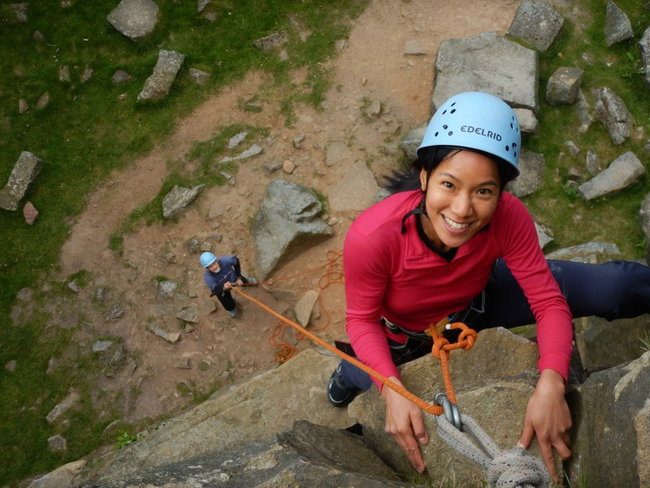
Beginner (Introduction) Rock Climbing Courses
The Derbyshire Peak District is arguably the best location in the UK for learning to Rock Climb and we provide a range of courses to cater for different experience levels and requirements including Introduction to Rock Climbing, Intermediate Climbing Courses. Learning to Lead Climb 'Traditional' and Learn to Lead Climb 'Sport' This course is your key to getting started! No previous experience of climbing is required to attend a beginner course because the content of the course is aimed at complete beginners. If you do have some experience of climbing but aren’t confident about using the equipment required, finding the crags, locating the routes you want to do and how to stay safe on the crag then a beginner course / Introduction course is an ideal way to learnItineraryBackground and Planning. An awareness of the types of places you can climb in the UK and Ireland, how to use guidebooks and mobile devices to find crags androutes, crag etiquette and the work of the mountaineering councils. Climbing Skills. Fundamental movement skills and climbing styles. Footwear and Equipment. Footwear and equipment selection and how to use the kit you choose. Technical Skills. Tying into a harness, belaying, spotting and how to abseil. Environmental Knowledge. The impact of climbers at the crag, ethics, access and environmental considerations for climbers. Hazards and Emergency Procedures. Identifying hazards, managing risk, understanding common injuries, how to get help and the role of Mountain Rescue and associated emergency services. Inclusions What you'll need 🧤 Warm Clothing - Dress for the seasonal conditions and to be comfortable being stood while learning takes place. ☂️ Waterproofs - Bring Waterproof tops and bottoms 🍴 Food 🥤 Drink
Intermediate Rock Climbing
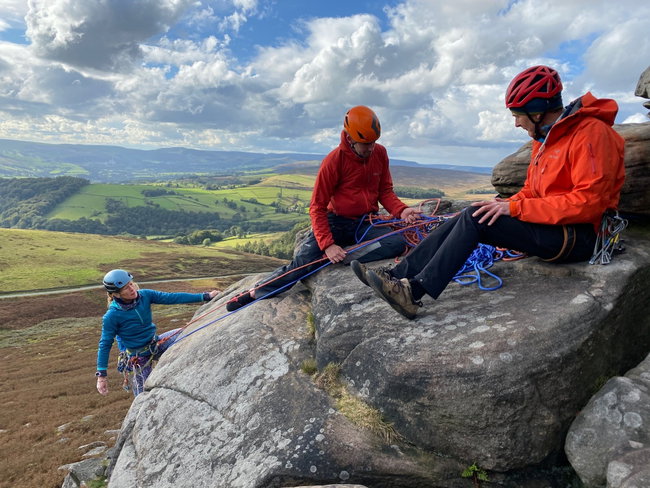
The main aims of this course are to learn how to be a safe belayer, how to second routes competently and how to belay a lead climber. You will develop your climbing movement skills and learn how to place protection and construct belays at the top of the crag. We may make the move into how lead lead climbing on traditional routes works.Day 1Background and Planning. Choosing a suitable venue, how to use guidebooks and mobile devices to find crags and routes, crag etiquette and the work of the mountaineering councils. Climbing Skills. Warming up and injury avoidance, developing your movement skills and widening your repertoire of climbing moves. Footwear and Equipment. Rock boot fit, selecting the right equipment for improved performance and an introduction to climbing protection. Technical Skills. Building anchors, selecting runners, ropework, belaying, holding falls, lowering, seconding a route and personal abseiling. Environmental Knowledge. The impact of climbers at the crag, ethics, access and environmental considerations. Hazards and Emergency Procedures. Identifying hazards, managing risk when climbing, abseiling and bouldering, understanding common injuries, how to get help and the role of mountain rescue teams.Day 2Background and Planning. Choosing a suitable venue, how to use guidebooks and mobile devices to find crags and routes, crag etiquette and the work of the mountaineering councils. Climbing Skills. Warming up and injury avoidance, developing your movement skills and widening your repertoire of climbing moves. Footwear and Equipment. Rock boot fit, selecting the right equipment for improved performance and an introduction to climbing protection. Technical Skills. Building anchors, selecting runners, ropework, belaying, holding falls, lowering, seconding a route and personal abseiling. Environmental Knowledge. The impact of climbers at the crag, ethics, access and environmental considerations. Hazards and Emergency Procedures. Identifying hazards, managing risk when climbing, abseiling and bouldering, understanding common injuries, how to get help and the role of mountain rescue teams. Inclusions What's Included 🧰 Equipment - All climbing and technical equipment is provided including climbing shoes. What you'll need 🧤 Warm Clothing - Bring a wind proof layer and a warm base layer for being out all day. ☂️ Waterproofs - Bring Waterproofs - just in case.
Abseiling
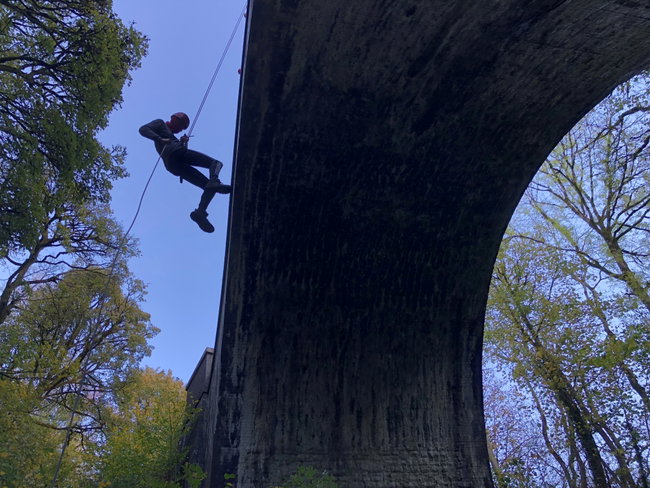
Abseiling is the classic high adrenaline, high thrill experience. It is understandably very popular with our groups for these reasons. We use a variety of suitable locations including disused railway viaducts and abandoned quarries to minimise impact on locations used for rock climbing. Abseiling is a great compliment to any of our other activities and can be easily set up as part of a full day climbing, as a training element to a caving day or as part of a multi day adventure journey. ItineraryAside from a surge of adrenaline, abseiling can be a great test in personal confidence and trust of others. In the Peak District we use a number of ideal locations and manmade structures which will not upset the needs of rock climbers. We are also available to facilitate sponsored abseils within inner city environments for the purpose of charity fund raising. Abseiling can make a thrilling finale to your activity break leaving strong and lasting memories of personal accomplishment. Inclusions What you'll need 🧤 Warm Clothing ☂️ Waterproofs
Intermediate (Ultimate) Canoeing Experience
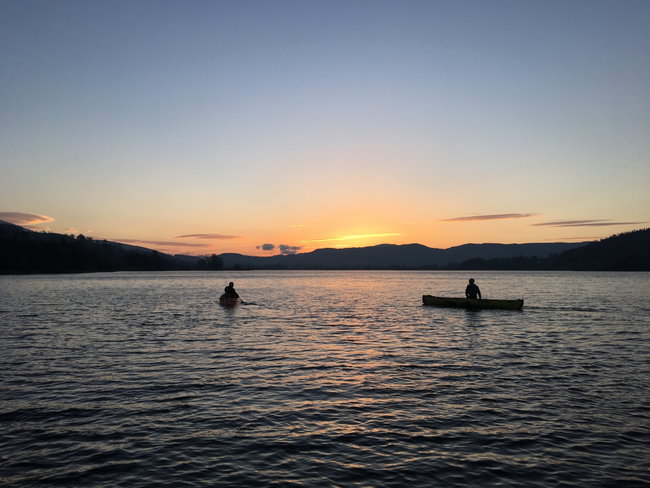
If you’ve already acquired a fair grasp of the basic canoeing skills and you’d like to expand on your present experience base or you fancy a great challenge? Try a river journey under the watchful guidance of a qualified instructor. We’ll arrange transport for a pick up down stream, collect the boats at the journeys end and deliver you back to your vehicle.ItineraryOn intermediate canoeing sessions, canoeists begin to move away from the security offered by the close proximity of a bankside and, the predictability of flat calm water. On this level of experience canoeists expand their skills and must learn how to deal with the new challenges presented by the ever changing environmental conditions including wind, choppy water, rapids, greater distance from safety and the ever changing hazards on rivers such as fallen trees and variable flow levels. This experience offers you the opportunity to build on your existing skillset and compliment it with new ones. Learning from experience, gaining confidence and achieving greater independence are aims of these sessions. The key to great coaching and instruction is to give out just the right amount of information at the correct moment. This approach makes certain that you’ll embed key skills and get the most from the experience . The primary aims at this level are to create a fun learning environment, impart some new skills, broaden your experience level and enthuse you about more canoeing.
Create your perfect adventure
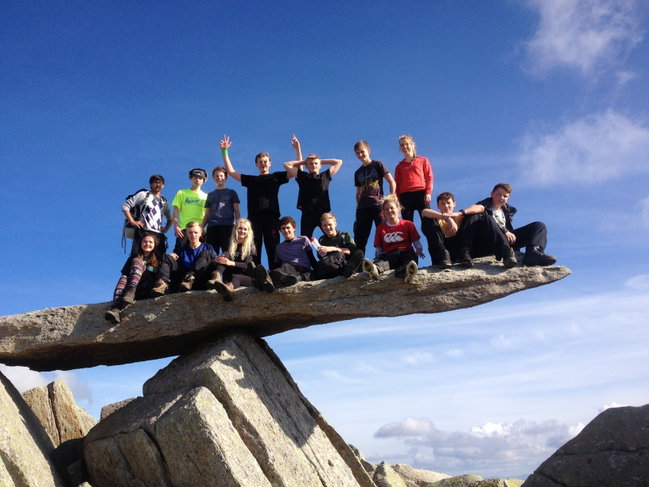
At Pro Venture we welcome your own activity suggestions – please feel comfortable to design and perfect your very own adventure days, we can happily recommend a list of suitable combinations or help with the finishing touches. In addition to the main website menu of Climbing, Canoeing and Caving we also offer Abseiling, Raft building, Team Building activities and Mountain Biking. If you you would like to put on a bespoke programme for a group, family or your organisation we will work in partnership with you to create the perfect combination of activities. ItineraryPro Venture will suggest the best options available to the client taking into account the time available, location, aspirations and dynamic of the group. Choose between 1 and 6 days for a personalised activity programme that perfectly fits all of your boxes. Inclusions What you'll need 🧤 Warm Clothing ☂️ Waterproofs 🍴 Food 🥤 Drink
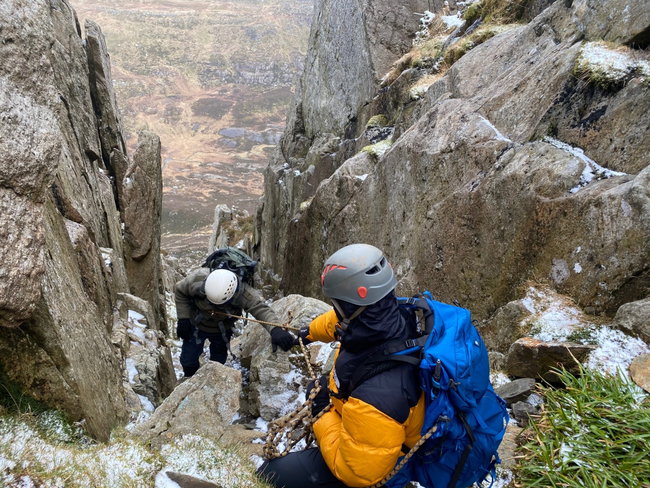
Mountain Skills - Scrambling
Scrambling is a strangely British pursuit – it occupies the middle ground between walking and climbing. In other countries it is simply called mountaineering. It involves moving over slightly technical mountain terrain in airy positions, often when you’ll need to use your hands. On easier scrambles (such as the classic grade 1 ridges of Crib Goch, Striding Edge or Sharp Edge) only the most nervous scrambler would need rope. But if you get a taste for it then you’ll soon need to know your bowline from your belay. And you’ll need to know how to use your rope to help get out of situations if things go pear shaped.ItineraryMountain Scrambling includes the coaching of mountain skills such navigating, use of compass, weather forecasting and hazard and emergency procedures. If you’ve done a little bit of rock climbing or a few easy scrambles, and you are considering venturing into more difficult or challenging mountain terrain then learning a few scrambling skills could be the right pathway on your mountain journey. The aim of our scrambling days are simple; to equip you with the skills appropriate to your UK mountaineering ambitions. A typical introduction to scrambling will look at equipment and techniques, route choice and judgement. This may include type of rope, frequently used knots, harnesses, a very simple rack of climbing equipment, ruck sacks and guidebooks. Learning the hard skills and technical aspects of scrambling is the straightforward part. Using the skills fluidly, with sound judgement and in context is the key. Movement When do we move together for speed and efficiency, perhaps taking a quick bracing position behind a block or boulder to protect your partner and when do we consider a more formal pitched method using a simple sling or parts of the climbing rack?. Ongoing risk assessment in the mountains is critical – It’s worth having a few tricks up your sleeve to help your day flow well whilst still keeping safe. Scrambling courses are best served over 2 days to justify travel to mountainous areas. Single day courses are available but we would definitely recommend a minimum of 2 consecutive days Inclusions What's Included 🧰 Equipment - Harness, helmet, climbing racks, ropes What you'll need 🧤 Warm Clothing - Good mountain clothing , synthetic and windproof gear. ☂️ Waterproofs - Full set of quality waterproofs
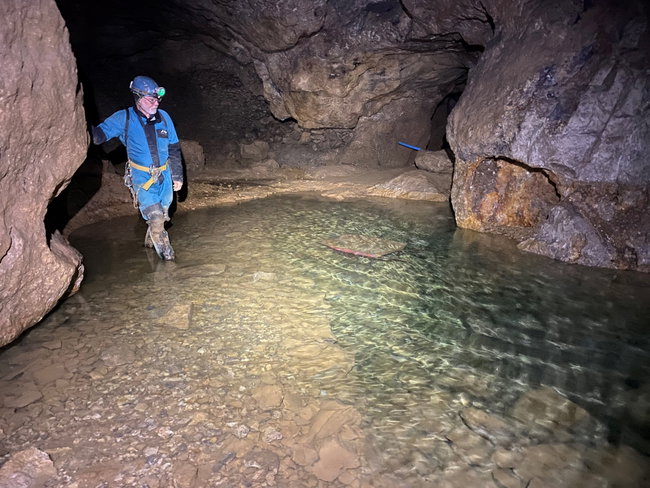
Mine Exploration
Few people that visit the Peak District realise just how much the landscape has been shaped by thousands of years of Lead mining. From Roman times to the 19th century only agriculture was as important. as mining On this experience you will spend your day exploring the fascinating underground workings of our mining ancestors. Underneath the hills of Matlock and Matlock Bath you can experience this fascinating lead mining history. We will bring the environment to life by helping you understand what minerals were extracted and which methods were employed to remove them. ItineraryOn this day we will explore 2 mines in the Matlock area - the sites we use have been inspected for structural integrity by a qualified mines engineer. The day will usually include the use of some vertical sections of mine passageway. These will be negotiated by abseiling or by being lowered on a rope controlled by the instructor. The day will be punctuated with historical information but we endeavor to make the experience as exciting and as varied as possible. We do this by using a combination of vertical mine shafts, roped traverses and deliberately choosing a variety of passage types including some crawling if you're into that sort of thing? Inclusions What you'll need 🧤 Warm Clothing ☂️ Waterproofs 🍴 Food 🥤 Drink
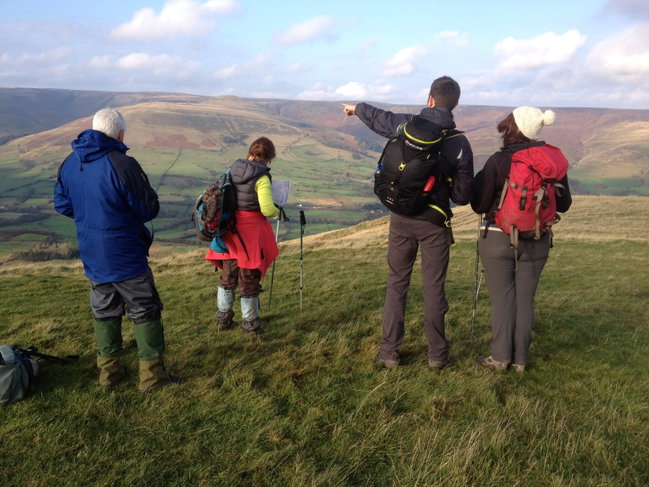
Lowland Leader Training
The Lowland Leader qualification has been designed for people who wish to lead groups on day walks in lowland countryside and woodland in summer conditions. The majority of the UK and Ireland is made up of this type of terrain so you'll never be short of places to go walking. The leadership opportunities for Lowland Leaders are varied and far reaching, from the South West Coast Path to the Great Glen Way; walking in lowland areas can be no less spectacular than walking high up in the mountains. And with campaigns such as Britain on Foot and Walking for Health proving really popular, there’s never been a better time to be a walking leader. The Lowland Leader qualification trains and assesses candidates in the skills required to lead others on walks in lowland countryside and woodland that fit ALL of the following criteria: • Walks must not cross any hazardous terrain (e.g. cliffs, very steep slopes, water hazards etc.). • Throughout the walk the group should never generally be more than 3km away from a key access point such as a car park, lay-by or populated area. Any potential escape routes should also lie within the scope of the defined terrain for the Lowland Leader award. • Walks will require the ability to plan routes, use simple navigation skills using a map and compass and be self sufficient. • Walks must follow paths or tracks that are both marked on a map and clearly visible on the ground and that do not require navigation across untracked areas. • Walks must use bridges or other recognised water crossing points. • Walks must only take place in summer conditions (ie when there is no unavoidable snow or ice on any part of the route). A combination of technical competence, leadership skills and a wide range of experience form the basis of effective group management. The scheme addresses all these elements. Day 1Training courses are delivered by Mountain Training approved providers and will include a minimum of 16 hours contact time. The training course will focus on the skills and knowledge required by those leading groups and will assume basic competencies in personal skills such as map reading and walking on paths and tracks in Lowland terrain. The leader of walking groups needs a wide range of skills and knowledge in order to operate effectively. Not only is it necessary to be able to perform each element in isolation but it is also vital that leaders can combine several skills at any one time. For example, they may need to manage the group and navigate at the same timeDay 2The leader will be made aware of their responsibilities to the group and individuals within it, parents/guardians, employing authorities, other outdoor users and the general public, including the choosing of venues and planning and recording of routes. Current legislation that relates to the care of groups under their charge, including legislation relating to the care of young people and vulnerable adults. Specific responsibilities to choose appropriate objectives, to complete detailed preparations and ensure that the group is adequately equipped and briefed for the activity. The health and fitness benefits of walking, and be able to explain them to a group. Have good communication strategies whilst leading groups. Be aware of group management strategies and the need to adapt to differing groups and situations. Be aware of barriers to participation, including mental and physical disability, ethnicity, fitness/health and be aware of the impact of various medical conditions. Inclusions What you'll need 🧤 Warm Clothing ☂️ Waterproofs 🍴 Food 🥤 Drink
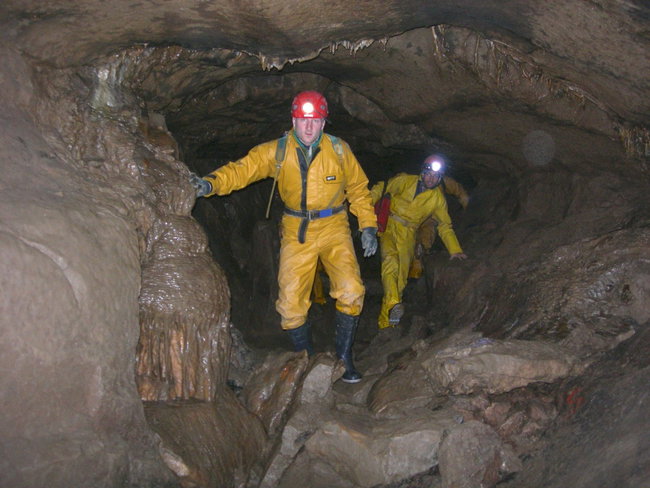
Beginner Caving Experience
At Pro Venture we consider that colour, shape, sounds, shade, form and texture all define the caving experience, equally as much as the physical effort of negotiating and squeezing through underground passageways. Caves are a scarce natural resource and as such, conservation is only second in priority to your safety. For this reason we consciously factor in the time to explain the processes by which the cave environment develops and forms. By doing this, we are imparting to you an understanding of the geology and the environment you are moving through. The drip feeding of information is an intrinsic part of our approach to delivering exciting but informative caving trips for beginners. A beginner caving experience with us, will actively aim to engage you in the whole journey – we won’t simply ‘tow’ you around a cave system -unless you ask! The imparting of (cave) information is balanced against the correct amount of physical challenge, the distance travelled underground, the perceived aspirations of the clients, and any hazards or weather conditions that may affect plans while underground. Introductory beginner caving trips take place in horizontal or vertical cave systems. In vertical systems the use of a rope and harness will be required to safeguard some sections of steeper or vertical cave passageway. The perfect introduction to the world of cavingItineraryOur usual formula for delivery is to begin the day with a look at caving guides and underground (maps) surveys. Prior to setting off underground, we equip you with helmets, lighting, oversuits and boots. You will then explore a variety of subterranean cave passages under expert instruction. Some caves considered to be ‘Horizonta' have sections where climbing / scrambling is required to negotiate sections of steep cave passageway – these can be protected by use of the leaders rope from above. Our instructional staff will bring the underground environment to life by imparting information about the structure of limestone, the origin of caves (formation and development), how the caves were discovered and subsequently explored. Most cave leaders seem to have a natural leaning towards story telling which can add a ‘further dimension’ to your underground experience! Beginner Caving Experiences may also include abseiling underground and more strenuous sections of cave should it be appropriate. Inclusions What's Included 🧰 Equipment - Caving suit, wellington boots, helmet, harness, cows tails, What you'll need 🧤 Warm Clothing - Bring a good synthetic base layer, middle layer a thin hat and some close fitting rubber gloves. Gloves act as a barrier but are essential for warmth. 🍴 Food - Please bring a snack - Mars bar / Snickers / similar snack - just a little something to keep energy levels topped up 🥤 Drink - You'll need some liquid - no glass, a simple squashable screw top container is best - such as sports lucazade or similar.
Ultimate (Vertical) Caving Experience
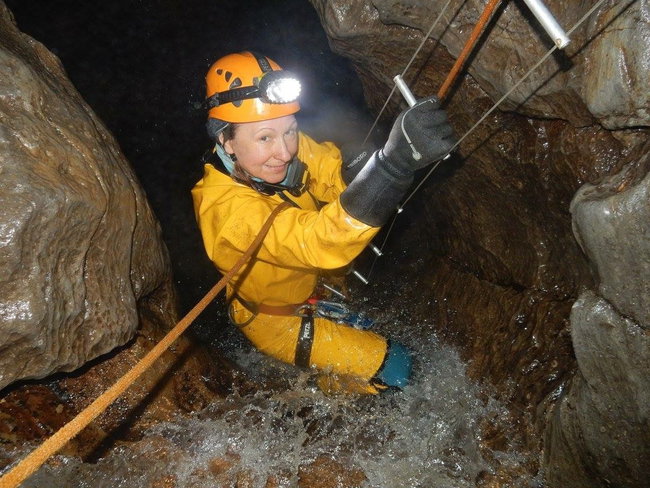
A guaranteed must for clients looking for an activity that affords the perfect balance of physical challenge, personal thrill and the opportunity to learn and experience both the technical and environmental aspects of cave exploration. Participants will be equipped with harnesses, safety cords and abseiling equipment for this level of underground adventure. A good head for heights is definitely beneficial. Participants can expect a totally absorbing and challenging day out involving a variety of rope techniques underground. These include personal abseils, movement over fixed roped traverse lines and the ascent of flexible ‘electron’ style caving ladders. All of these technical aspects will be closely supervised in order to safeguard the more technical sections of the caves. Numbers are kept low on vertical caving days to enable fluid technical skills progression during the underground journey. By working with low instructor to participant ratio we can maintain continual movement. We do this to reduce any prolonged waiting time at pitch heads, abseils or on roped up sections of cave. Too much waiting means the (possible) onset of cold reducing the enjoyment factor and impacting on the experience.ItineraryA guaranteed must for clients looking for an activity that affords the perfect balance of physical challenge, personal thrill and the opportunity to learn and experience both the technical and environmental aspects of cave exploration. Participants will be equipped with harnesses, safety cords and abseiling equipment for this level of underground adventure. A good head for heights is definitely beneficial. Participants can expect a totally absorbing and challenging day out involving a variety of rope techniques underground. These include personal abseils, movement over fixed roped traverse lines and the ascent of flexible ‘electron’ style caving ladders. All of these technical aspects will be closely supervised in order to safeguard the more technical sections of the caves. Numbers are kept low on vertical caving days to enable fluid technical skills progression during the underground journey. By working with low instructor to participant ratio we can maintain continual movement. We do this to reduce any prolonged waiting time at pitch heads, abseils or on roped up sections of cave. Too much waiting means the (possible) onset of cold reducing the enjoyment factor and impacting on the experience. Inclusions What's Included 🧰 Equipment - Caving Suit, boots, helmet, harness, cowstails, abseil devices What you'll need 🧤 Warm Clothing - Bring good sythetic base layers and a warm mid layer that will remain warm when wet. 🍴 Food - Bring along a pocket sized snack - favorite chocolate bar or energy bar 🥤 Drink - Bring along a drink in a squashable container - sports drink type