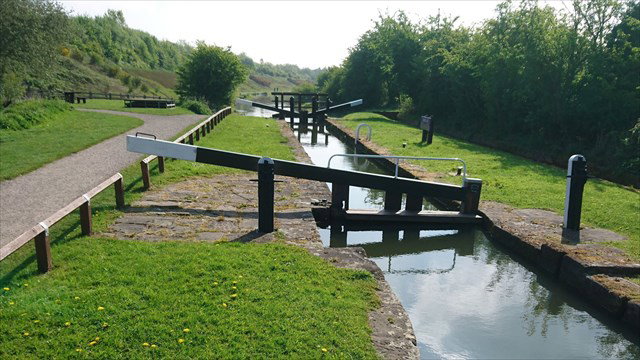
(JV) Sunday morning Bluebank return cruises
2-hour Sunday Morning Return Cruises: most Sundays from 12th April to 25th October. Departure time: 10:00. 📋 Notes - 📋 Wheelchair lift available. We can accommodate up to two manual / self - propelled wheelchairs. Max 1.05 m x . 75; chair plus passenger not exceeding 300kg. Powered wheelchairs may be accommodated by arrangement. 📋 Dogs: We welcome a small / medium well behaved pooch on most trips. We ask that dogs are kept under control and on the floor. Please let us know if you wish to bring your dog thank you. What's Included 🥤 Drink - Teas and coffees served. What you'll need 📋 Other - Please wear clothing suitable for the weather conditions. Our cruise commences from the Tapton Lock Visitor Centre where there is an Information Centre and toilets. After winding (turning round), we descend Tapton Lock - following the Rother Valley – down through Wheeldon Mill Lock and on to the beautiful Bluebank Woods. Here we explore this wonderful broad and sweeping curve before descending Bluebank Lock towards Dixon's Wharf where we wind again and return through the locks arriving back at Tapton Lock at about noon. Subject to conditions and the skipper's permission, you may be able to help with the locks or have a go at steering the boat. Unlike rivers, canals can go up and down hills! Learn about the working of the 250 year old locks which raise and lower the boats from one level in the canal to another. Locks use a lot of water - each time we use Tapton lock, it takes about 100 cubic metres of water to refill it. That's the equivalent of about 2500 baths! The water isn't wasted though, it eventually finds its way back into the river. If engineering (and sums) isn't your thing, then relaxation surely is. Cruising on water is just such a tranquil and leisurely activity. Combined with a profusion of wildlife – dabbling ducks and moorhen, the majestic heron or iconic kingfisher – look out for martins as they swoop and skim low over the water - tree lined avenues and swathes of bluebells and other spring flowers – all your cares and worries will drift away on the water. John Varley II is a purpose built 36' (10.9m) narrowboat. Built in 2016, designed and licenced to carry 12 passengers, it replaces an older trip boat, also called John Varley, which was retired off after 24 years' service. Narrowboat? - John Varley is 6'10” (2.1m) wide and the locks are little more than 7' (2.13m) wide ~ so mind your fingers in locks, bridges and tunnels. Why John Varley? The route of the Chesterfield canal was originally surveyed by canal engineer James Brindley and he employed John Varley as his clerk of works. Brindley died in 1772 and Varley took over as resident engineer. The canal opened in 1777 and ran 46 miles from Chesterfield to West Stockwith on the River Trent. In its heyday, the canal carried malt, hops, gravel, pottery, coal, iron ore, iron products, lead and stone. The boats were all horse-drawn and were called 'cuckoo boats'. Prior to canals, cargoes were carried by horse and cart. The maximum load a single horse could pull in a cart – and remember the roads were rough, muddy and full of pot holes - was about one tonne. The same horse pulling a canal boat could pull up to 30 tonnes. So you can see – canals made good sense. All trips are crewed by qualified volunteers of the Chesterfield Canal Trust, and the profits from all trips go towards the restoration of the last few miles of the Chesterfield Canal.
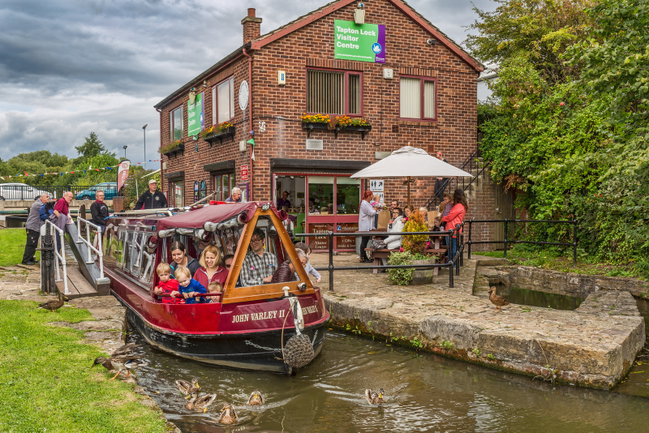
(JV) Sunday afternoon return cruises
One hour return cruises run most Sundays from 12th April to 25th October. Departure times: 12:30, 13:30, 14:30 and 15:30. 📋 Notes - 📋 Wheelchair lift available. We can accommodate up to two manual / self - propelled wheelchairs. Max 1.05 m x . 75; chair plus passenger not exceeding 300kg. Powered wheelchairs may be accommodated by arrangement. 📋 Dogs: We welcome a small / medium well behaved pooch on most trips. We ask that dogs are kept under control and on the floor. Please let us know if you wish to bring your dog thank you. 📋 Other - Please wear clothing suitable for the weather conditions. Our cruise commences from the Tapton Lock Visitor Centre where there is an Information Centre and toilets. After winding (turning round), we descend Tapton Lock - following the Rother Valley – past Brimington Wharf where we wind again just before Wheeldon Mill Lock then returning to Tapton Lock. Subject to conditions and the skipper's permission, you may be able to help with the locks or have a go at steering the boat. Unlike rivers, canals can go up and down hills! Learn about the working of the 250 year old locks which raise and lower the boats from one level in the canal to another. Locks use a lot of water - each time we use Tapton lock, it takes about 100 cubic metres of water to re fill it. That's the equivalent of about 2500 baths! The water isn't wasted though, it eventually finds its way back into the river. If engineering (and sums) isn't your thing, then relaxation surely is. Cruising on water is just such a tranquil and leisurely activity. Combined with a profusion of wildlife – dabbling ducks and moorhen, the majestic heron or iconic kingfisher – look out for martins as they swoop and skim low over the water - tree lined avenues and swathes of bluebells and other spring flowers – all your cares and worries will drift away on the water. John Varley II is a purpose built 36' (10.9m) narrowboat. Built in 2016, designed and licenced to carry 12 passengers, it replaces an older trip boat, also called John Varley, which was retired off after 24 years' service. Narrowboat? - John Varley is 6'10” (2.1m) wide and the locks are little more than 7' (2.13m) wide ~ so mind your fingers in locks, bridges and tunnels. Why John Varley? The route of the Chesterfield canal was originally surveyed by canal engineer James Brindley and he employed John Varley as his clerk of works. Brindley died in 1772 and Varley took over as resident engineer. The canal opened in 1777 and ran 46 miles from Chesterfield to West Stockwith on the River Trent. In its heyday, the canal carried malt, hops, gravel, pottery, coal, iron ore, iron products, lead and stone. The boats were all horse-drawn and were called 'cuckoo boats'. Prior to canals, cargoes were carried by horse and cart. The maximum load a single horse could pull in a cart – and remember the roads were rough, muddy and full of pot holes - was about one tonne. The same horse pulling a canal boat could pull up to 30 tonnes. So you can see – canals made good sense. All trips are crewed by qualified volunteers of the Chesterfield Canal Trust, and the profits from all trips go towards the restoration of the last few miles of the Chesterfield Canal
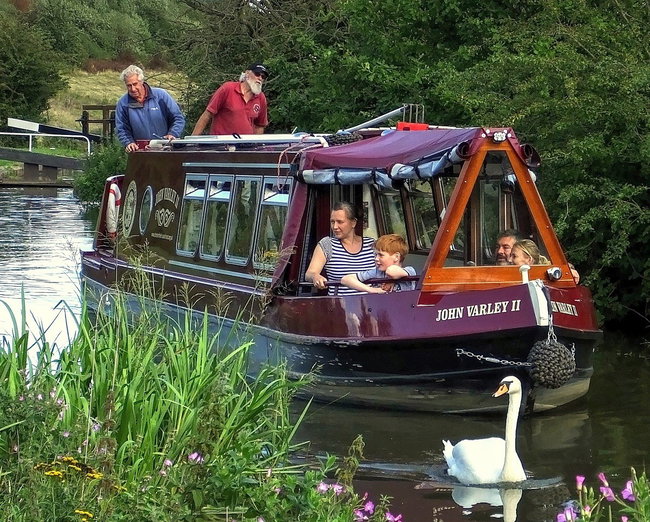
(JV) Afternoon Tea return cruises
Enjoy afternoon tea whilst leisurely cruising along the beautiful Chesterfield Canal. The 2 hour Cruises run Wednesdays 6th, 20th, May; 3rd, 10th, June; 1st, 8th, 22nd, July; 9th, 23rd, 30th September; 7th & 14th October Fridays 15th May, 19th June, 17th July, 18th September Departing from Tapton Lock Visitor Centre at 14:00. What's Included 🍴 Food - Locally supplied Individually portioned Afternoon Tea 📋 Passengers who require a vegetarian / vegan option please state at checkout. Unfortunately we are unable to supply gluten free or dairy free afternoon teas. We will refund the cost of the teas if you wish to bring your own GF or DF food. 🥤 Drink - Teas and coffees served. What you'll need 📋 Other - Please wear clothing suitable for the weather conditions. 📋 There is no toilet on John Varley, but there is at the Visitor Centre 📋 Wheelchair lift available. We can accommodate a manual / self - propelled wheelchair. Max 1.05 m x . 75; chair plus passenger not exceeding 300kg. Powered wheelchairs may be accommodated by arrangement. 📋 Dogs: Sorry, we do not allow dogs on food related trips After winding (turning round), we descend Tapton Lock - following the Rother Valley – down through Wheeldon Mill Lock and on to the beautiful Bluebank Woods. Here we explore this wonderful broad and sweeping curve before descending Bluebank Lock towards Dixon's Wharf where we wind again and return through the locks arriving back at Tapton Lock at about 16:00 Subject to conditions and the skipper's permission, you may be able to help with the locks or have a go at steering the boat. Unlike rivers, canals can go up and down hills! Learn about the working of the 250 year old locks which raise and lower the boats from one level in the canal to another. Locks use a lot of water - each time we use Tapton lock, it takes about 100 cubic metres of water to refill it. That's the equivalent of about 2500 baths! The water isn't wasted though, it eventually finds its way back into the river. If engineering (and sums) isn't your thing, then relaxation surely is. Cruising on water is just such a tranquil and leisurely activity. Combined with a profusion of wildlife – dabbling ducks and moorhen, the majestic heron or iconic kingfisher – look out for martins as they swoop and skim low over the water - tree lined avenues and swathes of bluebells and other spring flowers – all your cares and worries will drift away on the water. John Varley II is a purpose built 36' (10.9m) narrowboat. Built in 2016, designed and licenced to carry 12 passengers, it replaces an older trip boat, also called John Varley, which was retired off after 24 years' service. Narrowboat? - John Varley is 6'10” (2.1m) wide and the locks are little more than 7' (2.13m) wide ~ so mind your fingers in locks, bridges and tunnels. Why John Varley? The route of the Chesterfield canal was originally surveyed by canal engineer James Brindley and he employed John Varley as his clerk of works. Brindley died in 1772 and Varley took over as resident engineer. The canal opened in 1777 and ran 46 miles from Chesterfield to West Stockwith on the River Trent. In its heyday, the canal carried malt, hops, gravel, pottery, coal, iron ore, iron products, lead and stone. The boats were all horse-drawn and were called 'cuckoo boats'. Prior to canals, cargoes were carried by horse and cart. The maximum load a single horse could pull in a cart – and remember the roads were rough, muddy and full of pot holes - was about one tonne. The same horse pulling a canal boat could pull up to 30 tonnes. So you can see – canals made good sense. All trips are crewed by qualified volunteers of the Chesterfield Canal Trust, and the profits from all trips go towards the restoration of the last few miles of the Chesterfield Canal.
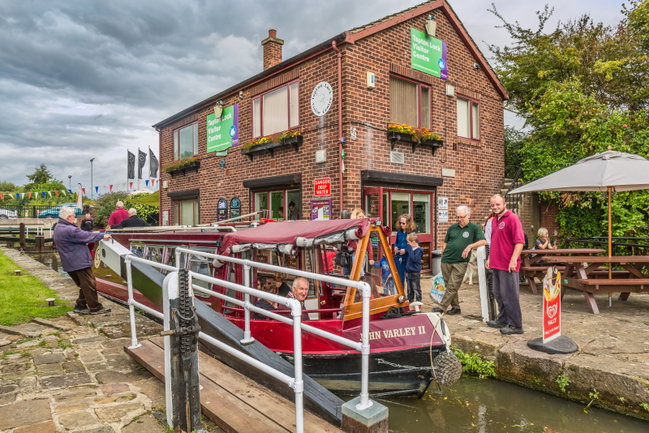
(JV) Fish & Chip return cruises
2-hour Fish & Chip cruises run on Friday Afternoons 13:00 from Tapton Lock Visitor Centre 1st, 22nd, 29th May; 5th, 12th, June; 3rd, 10th, 24th July; 11th, 25th September; 16th, 23rd, 30th October and Wednesday Evenings 19:00 from Tapton Lock Visitor Centre 13th May, 15th July, 16th September Please note: Passengers who are vegetarian or gluten intolerant can specify your requirements at checkout. What's Included 🍴 Food - Fish and Chips with mushy peas fresh from our local supplier. GF option available 🥤 Drink - Teas and coffees served. 📋 Other - Please wear clothing suitable for the weather conditions. Notes: 📋 There is no toilet on John Varley, but there is at the Visitor Centre 📋 Wheelchair lift available. We can accommodate a / up to two manual / self - propelled wheelchairs. Max 1.05 m x . 75; chair plus passenger not exceeding 300kg. 📋 Dogs: Sorry, we do not allow dogs on food related trips Our cruise commences at the Tapton Lock Visitor Centre where there is an Information Centre and toilets. After winding (turning round), the fish & chips are delivered to the boat and tables are set up with suitable cutlery, condiments and soft drinks that are served with the supper. Whilst we dine, we cruise down - following the Rother Valley – through Wheeldon Mill Lock and on to the beautiful Bluebank Woods. Here we explore this wonderful broad and sweeping curve before descending Bluebank Lock towards Dixon's Wharf where we wind again and return through the locks arriving back at Tapton Lock to disembark. Subject to conditions and the skipper's permission, you may be able to help with the locks or have a go at steering the boat. Unlike rivers, canals can go up and down hills! Learn about the working of the 250 year old locks which raise and lower the boats from one level in the canal to another. Locks use a lot of water - each time we use Tapton lock, it takes about 100 cubic metres of water to re fill it. That's the equivalent of about 2500 baths! The water isn't wasted though, it eventually finds its way back into the river. If engineering (and sums) isn't your thing, then relaxation surely is. Cruising on water is just such a tranquil and leisurely activity. Combined with a profusion of wildlife – dabbling ducks and moorhen, the majestic heron or iconic kingfisher – look out for martins as they swoop and skim low over the water - tree lined avenues and swathes of bluebells and other spring flowers – all your cares and worries will drift away on the water. John Varley II is a purpose built 36' (10.9m) narrowboat. Built in 2016 designed and licenced to carry 12 passengers. It replaces an older trip boat, also called John Varley, which was retired off after 24 years' service. Narrowboat? - John Varley is 6'10” (2.1m) wide and the locks are little more than 7' (2.13m) wide ~ so mind your fingers in locks, bridges and tunnels. Why John Varley? The route of the Chesterfield canal was originally surveyed by canal engineer James Brindley and he employed John Varley as his clerk of works. Brindley died in 1772 and Varley took over as resident engineer. The canal opened in 1777 and ran 46 miles from Chesterfield to West Stockwith on the River Trent. In its heyday, the canal carried malt, hops, gravel, pottery, coal, iron ore, iron products, lead and stone. The boats were all horse-drawn and were called 'cuckoo boats'. Prior to canals, cargoes were carried by horse and cart. The maximum load a single horse could pull in a cart – and remember the roads were rough, muddy and full of pot holes - was about one tonne. The same horse pulling a canal boat could pull up to 30 tonnes. So you can see – canals made good sense. All trips are crewed by qualified volunteers of the Chesterfield Canal Trust, and the profits from all trips go towards the restoration of the last few miles of the Chesterfield Canal.
(JV) Staveley Restoration Explorer
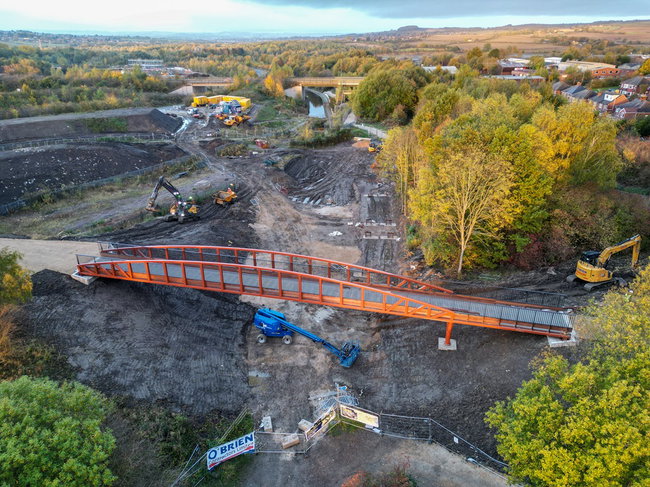
These cruises run on Sundays 31st May, 26th July and 27th September leaving Tapton Lock at 10.00. Passengers can alight at Hartington to walk onto the new Trans-Pennine Trail Bridge to view the route of the next phase of the canal restoration. Return from Hartington 13.20 Booking essential. We offer return tickets and also singles: Tapton to Staveley (Hartington) and Staveley (Hartington) to Tapton. Inclusions 📋 Note - 📋 Wheelchair lift available. We can accommodate up to two manual / self - propelled wheelchairs. Max 1.05 m x . 75; chair plus passenger not exceeding 300kg. Powered wheelchairs may be accommodated by arrangement. 📋 Dogs: We welcome a small / medium well behaved pooch on most trips. We ask that dogs are kept under control and on the floor; thank you. What's Included 🥤 Drink - Teas and coffees served. What you'll need 🍴 Food - Bring a picnic lunch or visit Katey's Coffee Shop at Hollingwood Hub. 📋 Other - Please wear clothing suitable for the weather conditions. Enjoy the day on a 6 hour return cruise exploring the full length of the restored section from Tapton Lock to Hartington (Staveley) and back. Cruise along the historic Chesterfield Canal navigating through 6 locks to Hartington Harbour in Staveley. Our cruise commences at the Tapton Lock Visitor Centre where there is an Information Centre and toilets. After winding (turning round), we cruise down - following the Rother Valley – through Wheeldon Mill Lock and on to the beautiful Bluebank Woods. Here we explore this wonderful broad and sweeping curve before descending Bluebank Lock towards Dixon's Wharf and Lock. Beyond Dixon's, we approach Hollingwood where we moor up by the Hub for a short comfort break and opportunity to buy snacks from Kayey's Coffee Shop. We descend Hollingwood Lock, and cruise onward into Staveley Basin where The Moorings Cafe will be open, then descend the new Staveley Town Lock into Hartington Harbour, the current limit of navigation. Here we wind again then ascend the 6 locks to journey back to Tapton arriving about 16.00 Subject to conditions and the skipper's permission, you may be able to help with the locks or have a go at steering the boat. Unlike rivers, canals can go up and down hills! Learn about the working of the 250 year old locks which raise and lower the boats from one level in the canal to another. Locks use a lot of water - each time we use Tapton lock, it takes about 100 cubic metres of water to re fill it. That's the equivalent of about 2500 baths! The water isn't wasted though, it eventually finds its way back into the river. If engineering (and sums) isn't your thing, then relaxation surely is. Cruising on water is just such a tranquil and leisurely activity. Combined with a profusion of wildlife – dabbling ducks and moorhen, the majestic heron or iconic kingfisher – look out for martins as they swoop and skim low over the water - tree lined avenues and swathes of bluebells and other spring flowers – all your cares and worries will drift away on the water. John Varley II is a purpose built 36' (10.9m) narrowboat. Built in 2016 designed and licenced to carry 12 passengers. It replaces an older trip boat, also called John Varley, which was retired off after 24 years' service. Narrowboat? - John Varley is 6'10” (2.1m) wide and the locks are little more than 7' (2.13m) wide ~ so mind your fingers in locks, bridges and tunnels. Why John Varley?. The route of the Chesterfield canal was originally surveyed by canal engineer James Brindley and he employed John Varley as his clerk of works. Brindley died in 1772 and Varley took over as resident engineer. The canal opened in 1777 and ran 46 miles from Chesterfield to West Stockwith on the River Trent. In its heyday, the canal carried malt, hops, gravel, pottery, coal, iron ore, iron products, lead and stone. The boats were all horse-drawn and were called 'cuckoo boats'. Prior to canals, cargoes were carried by horse and cart. The maximum load a single horse could pull in a cart – and remember the roads were rough, muddy and full of pot holes - was about one tonne. The same horse pulling a canal boat could pull up to 30 tonnes. So you can see – canals made good sense. All trips are crewed by qualified volunteers of the Chesterfield Canal Trust, and the profits from all trips go towards the restoration of the last few miles of the Chesterfield Canal.
(JV) Santa Specials from Chesterfield
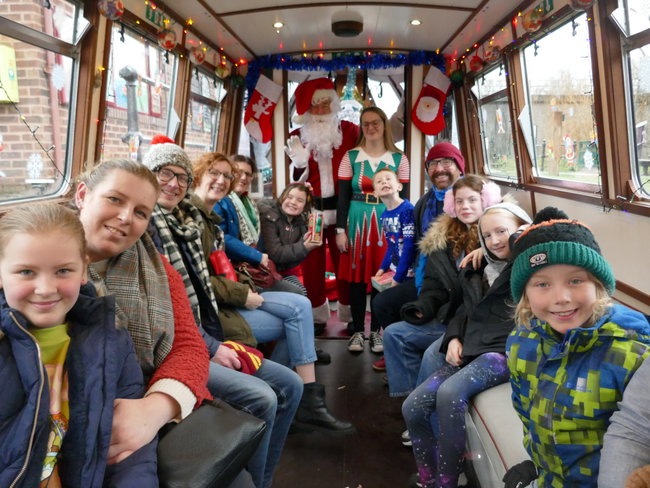
Santa Special Cruises (£10); enjoy a 30 minute short cruise on the canal and meet Santa on board John Varley. Cruises run Saturdays and Sundays from November 29th, through to December 21st, plus Monday 22nd and Tuesday 23rd. There are up to 8 trips per day running from 10.00. Adults receive a mince pie and a festive drink Children receive sweets and a gift from Santa When booking, please provide the name, age and gender for each child in your party, to enable us to select gifts. There is no charge for babies under 1 year old. As part of the booking process you are asked for the children's details - please include your baby so that Santa will know to have a gift ready for them. Please arrive 10 - 15 minutes earlier than your trip start time to allow time for parking, etc. Please Note: For Santa trips we can accommodate only one manual wheelchair. If you are booking for a motorised wheelchair, please contact us to discuss. Inclusions What's Included 🍴 Food 🥤 Drink What you'll need 🧤 Warm Clothing
(JV) Halloween Cruises
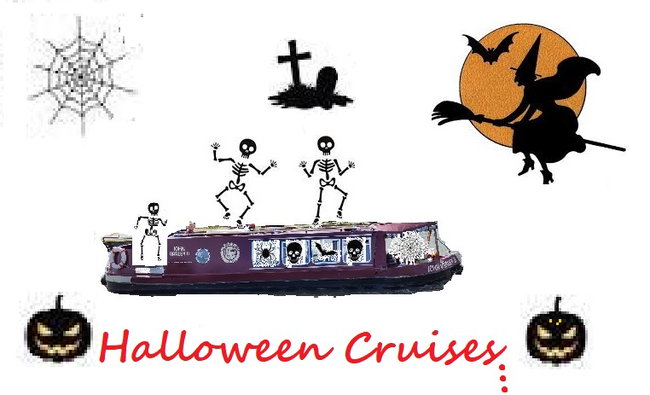
40 minute return cruises on Saturday, 31st October. Departure times: 11.00, 12.00, 13.00, 14:00 and 15:00. Inclusions What's Included 🚆 Transportation - Go up and down through a lock. You may have the opportunity to have a go at steering. 📋 Other - Wheelchair lift available. What you'll need 📋 Other - Please wear clothing suitable for the weather conditions. Our cruise commences from the Tapton Lock Visitor Centre where there is an Information Centre and toilets. After winding (turning round), we descend Tapton Lock - following the Rother Valley – pass under the railway bridges then wind (turn) at Tinkersic and returning to Tapton Lock. Subject to conditions and the skipper's permission, you may be able to help with the locks or have a go at steering the boat. Unlike rivers, canals can go up and down hills! Learn about the working of the 250 year old locks which raise and lower the boats from one level in the canal to another. Locks use a lot of water - each time we use Tapton lock, it takes about 100 cubic metres of water to re fill it. That's the equivalent of about 2500 baths! The water isn't wasted though, it eventually finds its way back into the river. If engineering (and sums) isn't your thing, then relaxation surely is. Cruising on water is just such a tranquil and leisurely activity. Combined with a profusion of wildlife – dabbling ducks and moorhen, the majestic heron or iconic kingfisher – look out for martins as they swoop and skim low over the water - tree lined avenues and swathes of bluebells and other spring flowers – all your cares and worries will drift away on the water. John Varley II is a purpose built 36' (10.9m) narrowboat. Built in 2016, designed and licenced to carry 12 passengers, it replaces an older trip boat, also called John Varley, which was retired off after 24 years' service. Narrowboat? - John Varley is 6'10” (2.1m) wide and the locks are little more than 7' (2.13m) wide ~ so mind your fingers in locks, bridges and tunnels. Why John Varley?. The route of the Chesterfield canal was originally surveyed by canal engineer James Brindley and he employed John Varley as his clerk of works. Brindley died in 1772 and Varley took over as resident engineer. The canal opened in 1777 and ran 46 miles from Chesterfield to West Stockwith on the River Trent. In its heyday, the canal carried malt, hops, gravel, pottery, coal, iron ore, iron products, lead and stone. The boats were all horse-drawn and were called 'cuckoo boats'. Prior to canals, cargoes were carried by horse and cart. The maximum load a single horse could pull in a cart – and remember the roads were rough, muddy and full of pot holes - was about one tonne. The same horse pulling a canal boat could pull up to 30 tonnes. So you can see – canals made good sense. All trips are crewed by qualified volunteers of the Chesterfield Canal Trust, and the profits from all trips go towards the restoration of the last few miles of the Chesterfield Canal.